
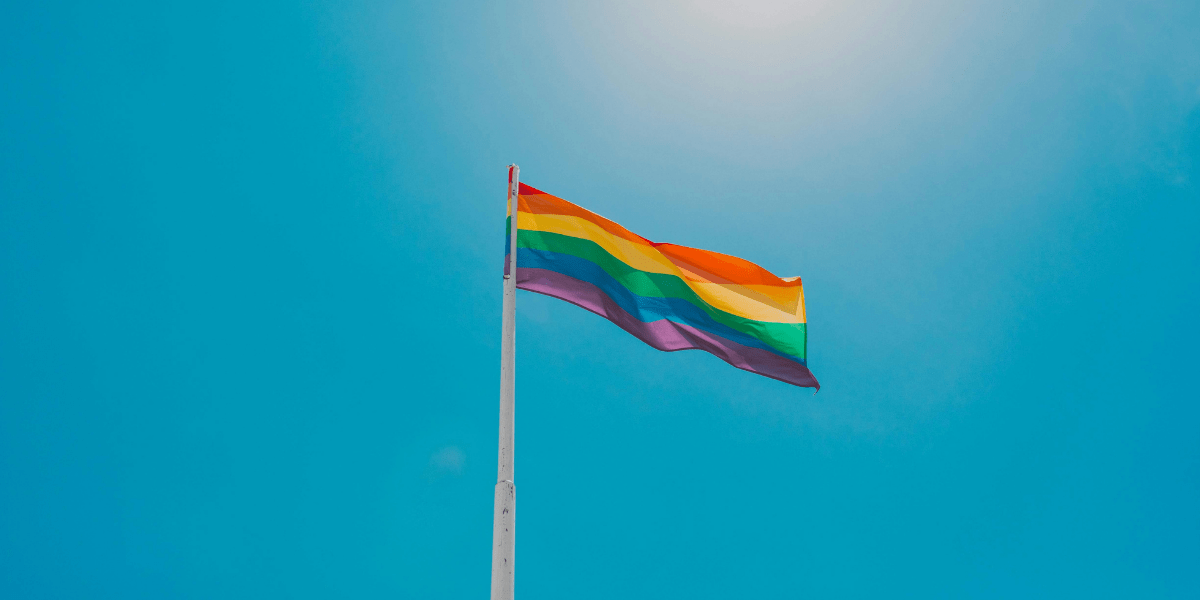
On Friday, February 13, 2026, a significant symbolic development unfolded in New York City as the rainbow Pride flag was re‑raised at the Stonewall National Monument in Lower Manhattan, after having been removed earlier in the week by federal authorities, a moment that quickly drew attention across the city and nation.
The Stonewall National Monument, located in Greenwich Village, commemorates the June 1969 Stonewall uprising, a series of demonstrations by members of the LGBTQ+ community that is widely regarded as the catalyst for the modern LGBTQ+ rights movement in the United States. The monument, adjacent to the historic Stonewall Inn bar, has become a focal point of both LGBTQ+ heritage and contemporary activism.
Removal and Reinstatement of the Pride Flag
Earlier this week, the Pride flag was removed from its pole at the Stonewall National Monument by National Park Service personnel. The removal was carried out under federal guidance restricting the display of non‑government flags on national park properties. Under that policy, only the U.S. flag, select agency flags, and the POW/MIA flag are generally permitted at federal sites unless specific historical exceptions apply, a technical interpretation that left out community flags like the rainbow Pride banner.
The removal sparked swift responses from local leaders, activists, and community members who argued that the Pride flag symbolizes not only LGBTQ+ identity but also the historical importance of Stonewall itself. Critics described the federal actions as erasing, or diminishing, the cultural significance of a site intrinsically tied to LGBTQ+ history.
By Thursday afternoon, city officials, advocates, and residents had re‑raised the Pride flag at Stonewall, positioning it alongside the American flag in a powerful gesture of community affirmation. Hundreds gathered to witness the moment, which was described by many as a statement of resilience and reclamation of heritage.
Voices and Reactions
Local officials played a visible role in the reinstatement. Manhattan Borough President Brad Hoylman‑Sigal was among those participating in the flag‑raising, emphasizing the importance of the symbol at this national landmark. Community members echoed the sentiment that Stonewall’s legacy cannot be muted by bureaucratic interpretation of flag protocols.
The re‑raising of the Pride flag was met with broad support among city residents and activists, who see the act as a reaffirmation of New York City’s long‑standing role as a center of LGBTQ+ advocacy and culture. Discussions on social media highlighted the visceral importance of visibility at a site that has inspired generations of equality work.
Federal vs. Local Dynamics
The incident underscores broader tensions over how public history is represented, especially at federally designated sites with deep community significance. National Park Service policies governing flag displays have long existed, but their application to symbols like the Pride flag has ignited debate about inclusivity and the extent to which federal directives should account for historical and cultural context.
City officials and civil rights advocates have signaled that this issue may not be settled with the recent re‑raising. They are exploring discussions with federal partners and considering legislative or policy avenues that might explicitly recognize the symbolic role of community flags at historically significant sites like Stonewall.
Historical and Cultural Significance
The Stonewall National Monument holds profound meaning for many Americans and international visitors alike. The 1969 riots, and the ensuing Pride celebrations that trace back to Christopher Street Liberation Day in 1970, highlight longstanding efforts to secure civil rights, dignity, and legal protections for LGBTQ+ individuals.
The return of the Pride flag at Stonewall resonates deeply within this historical frame: it is not merely a visual symbol, but a marker of identity, struggle, and community continuity. In a city known for its diversity and activism, the episode at Stonewall serves as a reminder of how public spaces can reflect, or challenge, societal values.
Takeaways and Next Steps
The reinstatement of the Pride flag at the Stonewall National Monument represents more than a localized event; it highlights the ongoing conversation about representation and heritage in public spaces. As New York City continues to champion inclusivity and historical acknowledgment, this moment may prompt further examination of how national memorials and monuments can honor the plurality of American experiences.
For residents and visitors, the flag’s presence at Stonewall moving forward will stand as a testament to both the legacy of LGBTQ+ activism and the vibrant cultural fabric of New York City, one that embraces complexity, history, and collective memory.