New York City and the broader United States enter March facing a dynamic mix of security precautions, economic milestones, legal challenges, and civic engagement. As international tensions shape national discourse, developments across New York highlight how global events intersect with local governance, infrastructure, business, and community life.
Heightened Security Measures Across New York City
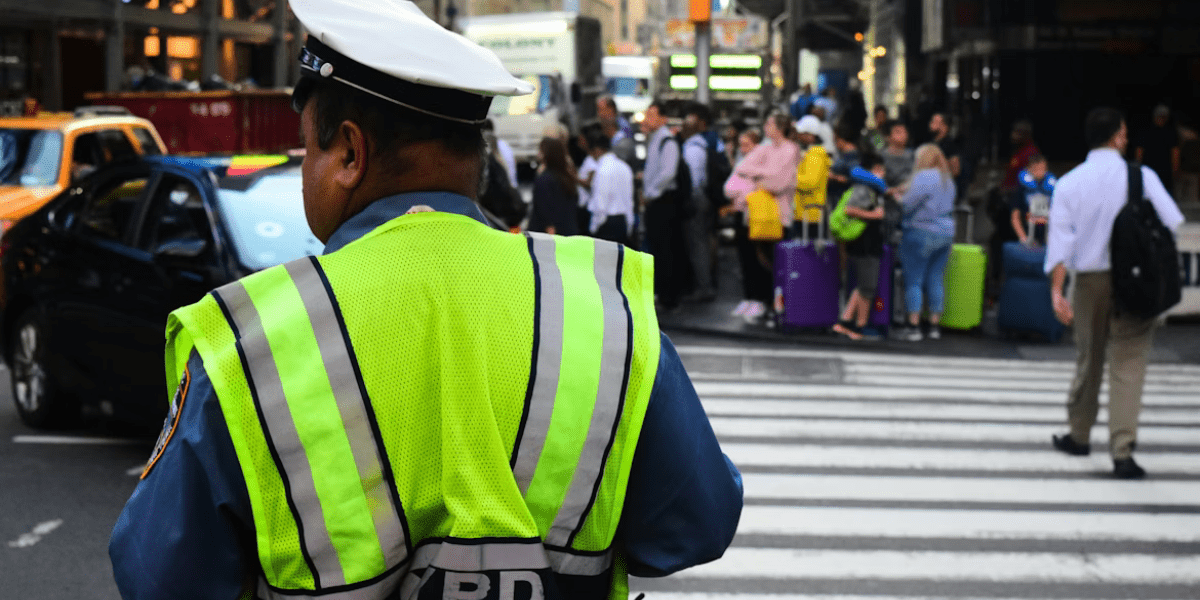
City officials have increased security measures at key locations throughout New York following recent international military developments involving the United States. The New York Police Department (NYPD) confirmed enhanced patrols at high-profile landmarks, religious institutions, diplomatic facilities, and major transit hubs. While authorities emphasize that there are no specific or credible threats directed at the city, officials describe the move as precautionary.
Transit centers, including Penn Station, Grand Central Terminal, and area airports, are operating under expanded monitoring protocols. The Port Authority has deployed additional personnel as part of a coordinated security posture. Law enforcement leaders have reiterated that such measures are standard practice during periods of heightened global tension and are intended to ensure public safety while minimizing disruption to daily life.
Public Demonstrations Reflect Civic Engagement
In Midtown Manhattan, demonstrators gathered in Times Square over the weekend to express views on recent federal actions abroad. The protests remained largely peaceful, with organizers emphasizing calls for transparency and constitutional oversight. City officials facilitated crowd management and traffic adjustments to maintain order while respecting the right to assemble.
Public demonstrations in New York often reflect broader national conversations, and this latest gathering highlights how international developments can quickly become part of the city’s civic landscape. Community leaders have encouraged respectful dialogue and constructive engagement as debates continue nationwide.
2 World Trade Center Project Moves Forward
On the economic front, Lower Manhattan is poised for a major milestone. Construction of 2 World Trade Center is expected to begin this spring, marking a significant step in the long-running redevelopment of the World Trade Center complex. The tower will serve as the future global headquarters for American Express, bringing thousands of employees to the Financial District.
The project is projected to generate substantial employment during both construction and long-term operations. State and city officials have described the development as a powerful signal of confidence in New York’s commercial real estate market, particularly as office occupancy rates gradually stabilize following years of remote-work adjustments.
Once completed, the tower will stand as one of the final pieces of the 16-acre World Trade Center campus, symbolizing continued economic recovery and resilience nearly 25 years after the September 11 attacks. Business leaders say the investment underscores New York City’s enduring role as a global financial and corporate hub.
Legal Spotlight on Subway Safety
Public safety within the city’s transit system has reentered the legal spotlight following a lawsuit filed by a subway shove survivor. The plaintiff alleges that transportation authorities failed to implement sufficient safety measures to prevent platform-pushing incidents, citing long-standing awareness of risks.
Transit officials have previously acknowledged the complexity of installing full platform barriers in older stations, noting engineering and cost challenges. However, the lawsuit is likely to intensify discussions around infrastructure modernization, rider protection, and the balance between feasibility and safety.
The case arrives amid broader efforts by city and state officials to improve subway reliability and public confidence in mass transit. Ridership levels have continued to rebound in early 2026, though safety perceptions remain a key issue for commuters.
Community Investment and Cultural Preservation
Meanwhile, city leadership announced additional funding through the Strong Foundations Initiative, a program aimed at strengthening neighborhood services and community infrastructure. Investments are focused on supporting local institutions, improving access to resources, and enhancing public spaces.
Cultural preservation efforts have also advanced, including the completion of restoration work in Weeksville, one of the nation’s earliest free Black communities. The project represents an ongoing commitment to honoring New York’s diverse historical narratives and reinforcing the city’s identity as a cultural capital.
Looking Ahead
As March begins, New York City stands at the intersection of global events and local transformation. From heightened security readiness and public demonstrations to economic redevelopment and legal accountability, the city reflects both the challenges and opportunities shaping the national conversation.
These developments underscore a broader reality: New York remains not only a financial and cultural center but also a focal point for civic engagement and resilience during moments of national significance.