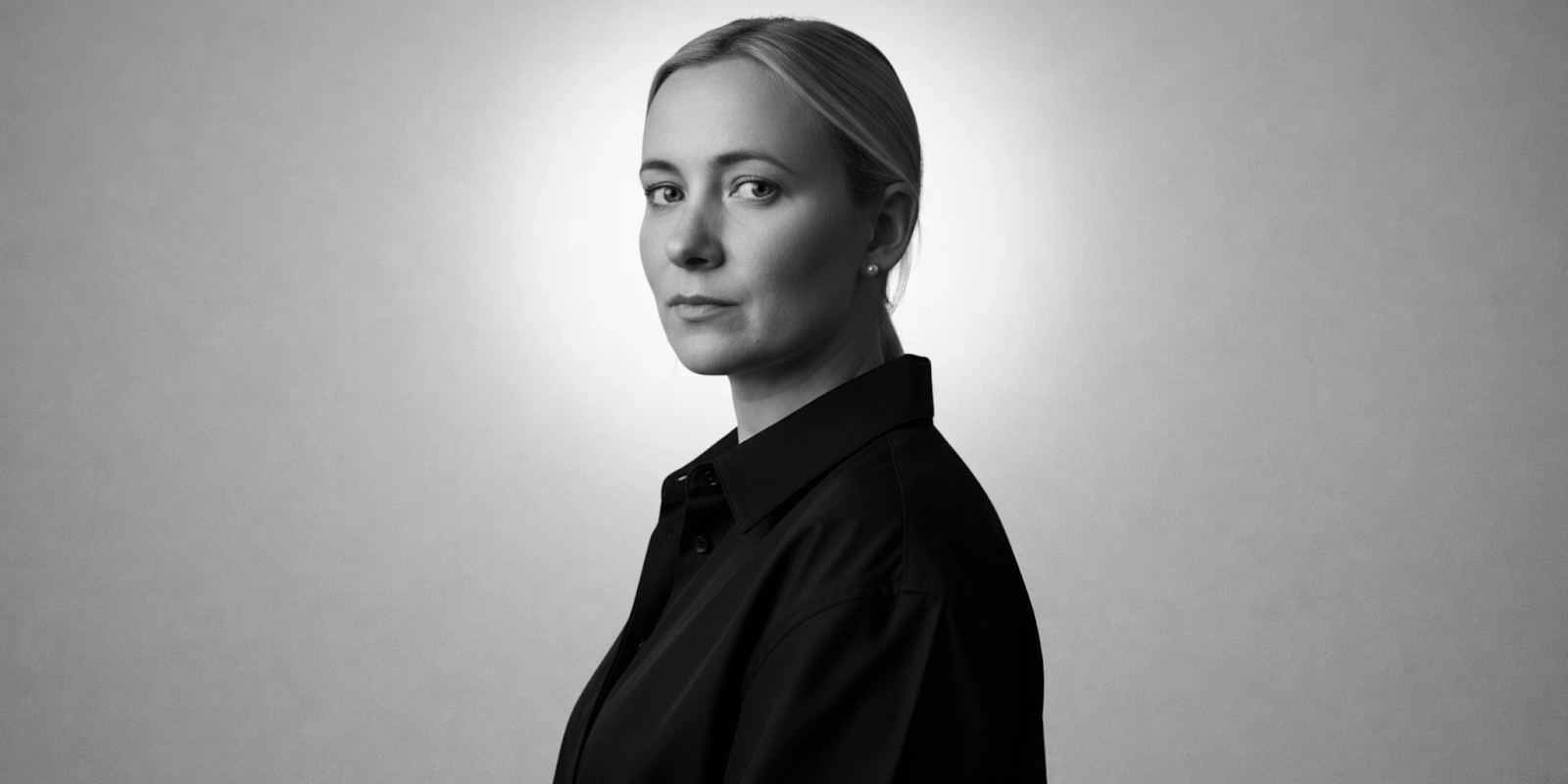
Dr. Eva Kroczynski examines systemic barriers, reporting gaps, and accurate statistics to clarify misconceptions about misreported claims.
Shining Light on Hidden Barriers
During one of her missions with UNICEF in New York, Dr. Eva Kroczynski observed a recurring challenge: individuals were hesitant to report important information due to systemic obstacles and procedural requirements that felt impossible to meet. The frustration in hospitals, shelters, and reporting centers was palpable. This experience inspired a decades-long mission involving research, fieldwork, and the development of tools designed to empower people navigating complex reporting systems.
Expertise and Humanitarian Experience
Dr. Kroczynski, founder of We Consent NGO, has over fifteen years of experience in health and legal support initiatives. She has participated in seventeen international missions with UN Women and UNICEF, published forty scientific articles, contributed to protocols in Geneva hospitals, and developed tools in collaboration with NYU to support independent documentation and guidance. Her work focuses on empowering individuals to navigate reporting systems confidently, particularly when the burden of proof is high.
Understanding the Burden of Proof
A persistent misconception in public discourse is the prevalence of inaccurate reports in reporting systems. Research indicates that only a small percentage of submitted claims are classified as inaccurate. However, these statistics often fail to account for the fact that the majority of relevant cases are never formally submitted.
Data from multiple studies show that between 69% and 88% of relevant cases remain unreported due to systemic barriers, procedural complexity, or social discouragement. When recalculated to include unreported cases, the actual percentage of inaccurate reports is far lower than commonly cited.
Precise calculation:
- Reported inaccurate claims: 2–10%
- Proportion of cases reported: 12–31%
Actual inaccurate reports = 2% × 31% → 0.62%
Actual inaccurate reports = 10% × 31% → 3.1%
This demonstrates that the true estimate of inaccurate reports is between 0.6% and 3%, far below the inflated numbers often discussed publicly.

Dr. Kroczynski emphasizes:
“The burden of proof is not always applied equally. Many people face discouragement and systemic obstacles when attempting to provide information. Misinterpreting statistics only compounds this challenge.”
Tools for Independent Documentation
To address reporting challenges, Dr. Kroczynski developed a toolkit for independent documentation and guidance. This globally adaptable system allows individuals to safely maintain records and access advice without reliance on formal reporting systems.
Components include:
- Modules for structured documentation of general evidence
- Guidance for navigating legal, social, and medical processes
- Digital platform adapted to country-specific protocols
- Audio-enabled documentation for safe and secure records
Approved by relevant public agencies, the toolkit has been in use for two decades and is now expanding to Europe.
Research and the Weight of Silence
Dr. Kroczynski’s expertise is backed by a literature review of over 21,000 studies. Across countries and cultures, systemic barriers, social discouragement, and institutional complexities prevent many from submitting reports. Public narratives often overestimate inaccuracies while underestimating unreported cases, placing additional pressure on those who do submit reports.
The toolkit addresses these issues by enabling independent documentation, preserving autonomy, and reducing procedural pressures.

A Humanitarian and Scientific Journey
Dr. Kroczynski’s work bridges field experience and scientific research. The toolkit represents the culmination of years of hands-on work, research, and a commitment to equity in reporting systems. Her approach integrates protocols, guidance, and digital innovation to ensure individuals are not navigating complex systems alone.
Expanding Access Globally
Following success in the United States, the toolkit is now being introduced across European systems. The launch emphasizes international standards and empowers individuals to preserve evidence, access support, and submit reports safely.
Dr. Kroczynski’s vision is clear: everyone should have access to tools that reduce systemic barriers, protect autonomy, and provide immediate guidance.
Redefining Fairness Through Research and Innovation
Her research underscores a critical lesson: public statistics often misrepresent reality. By examining the proportion of reported and unreported cases, Dr. Kroczynski shows that systemic challenges create undue burdens for those providing information. The toolkit embodies a research-driven, practical solution for overcoming these obstacles and ensuring the burden of proof is applied fairly.
Learn more about Dr. Kroczynski’s initiatives:
Website
Instagram
Youtube
Research affiliation ORCID number 0000-0001-6276-4127
Dykinson Libros