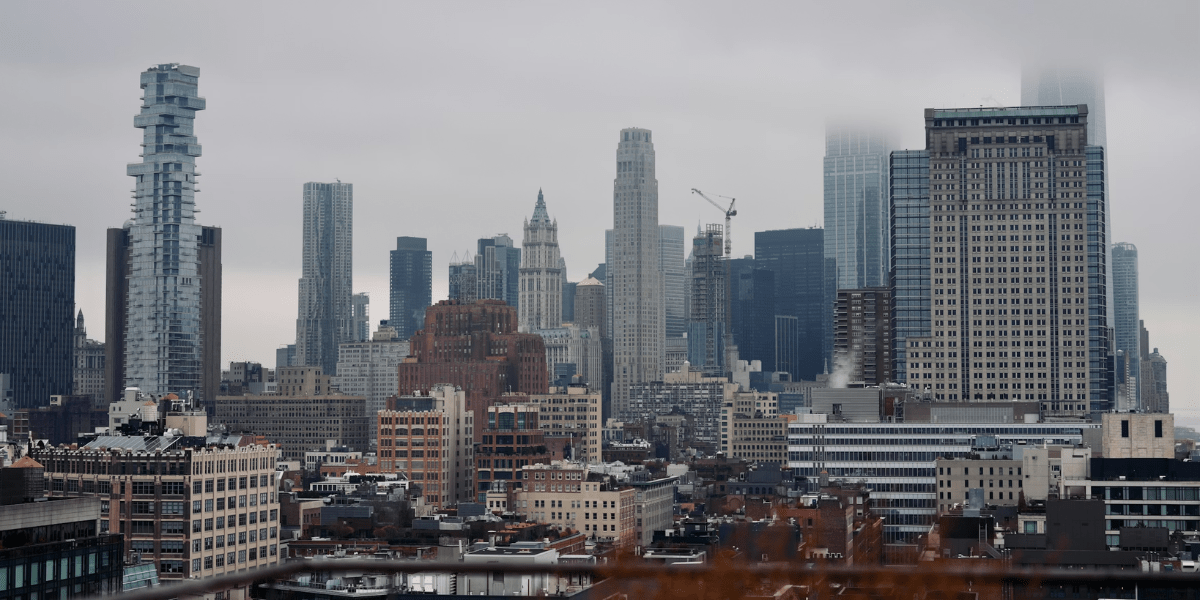
On April 7, 2026, New York City officials and national stakeholders highlighted a series of developments shaping both the city’s future and broader urban trends across the United States. From housing initiatives and transit upgrades to cultural investments and public safety measures, the day reflected a coordinated effort to address evolving needs in major metropolitan areas while contributing to national conversations on infrastructure and economic growth.
In New York City, housing remains a central priority. City agencies reported continued progress on new affordable housing projects in boroughs including Brooklyn and Queens. These developments are part of a broader strategy to expand housing supply and improve accessibility for residents across income levels. Officials emphasized that increasing the availability of affordable units is essential to maintaining the city’s economic diversity and supporting workforce stability.
At the same time, infrastructure improvements are advancing through partnerships between city and state entities. The Metropolitan Transportation Authority (MTA) confirmed ongoing upgrades to subway signals and station accessibility, including projects aimed at reducing delays and enhancing commuter experience. Accessibility enhancements, such as elevator installations and platform improvements, remain a key focus as the city works to make transit more inclusive for all riders.
Beyond transportation, public safety and community well-being continue to be areas of attention. Local law enforcement agencies reported steady implementation of neighborhood-based safety programs that emphasize collaboration between officers and community members. These initiatives aim to build trust, improve response times, and address quality-of-life concerns in densely populated areas.
New York’s cultural sector also marked significant activity on April 7, with several institutions announcing upcoming exhibitions and performances. Organizations such as Lincoln Center for the Performing Arts unveiled new programming designed to attract both local audiences and international visitors. Cultural leaders noted that continued investment in the arts plays a vital role in the city’s economic recovery and global identity.
In the business sector, New York-based companies and financial institutions are adapting to shifting economic conditions. Market analysts pointed to steady activity in commercial real estate and technology-driven startups as indicators of resilience. The city’s position as a global financial hub continues to attract investment, particularly in sectors such as fintech, media, and artificial intelligence-driven services.
At the national level, similar themes are emerging in other major cities. Urban centers across the United States are prioritizing infrastructure modernization, housing expansion, and economic diversification. Federal support for infrastructure projects has enabled cities to accelerate improvements in transportation systems, utilities, and public facilities, contributing to long-term growth and sustainability.
Sports and entertainment also contributed to the day’s developments, with major venues preparing for upcoming spring and summer events. In New York, stadiums and arenas are gearing up for high-profile games and performances that are expected to draw large crowds. These events not only provide entertainment but also generate significant economic activity for local businesses, including restaurants, hotels, and retail establishments.
Meanwhile, legal and policy discussions continue to shape the regulatory environment for urban development. Experts highlighted ongoing efforts to streamline permitting processes and encourage responsible development practices. These changes are intended to balance growth with community needs, ensuring that new projects align with long-term planning goals.
Environmental considerations remain an integral part of these initiatives. New York City has expanded efforts to incorporate sustainability into construction and urban planning, including the use of energy-efficient building materials and the development of green spaces. These measures are designed to improve air quality, reduce environmental impact, and enhance overall quality of life for residents.
One notable trend is the integration of technology into city management. Smart city initiatives, including data-driven traffic management and digital public services, are gaining traction. These innovations aim to improve efficiency, reduce congestion, and provide residents with more accessible government services.
Key takeaways from today’s developments include the importance of coordinated planning across sectors, the need for continued investment in infrastructure and housing, and the role of cultural and economic activities in sustaining urban vitality. New York City’s progress reflects a broader national movement toward building more adaptable, inclusive, and resilient urban environments.
As these initiatives move forward, stakeholders across government, business, and community organizations will play a critical role in shaping outcomes. The developments highlighted on April 7, 2026, underscore a shared commitment to addressing complex urban challenges while creating opportunities for growth and innovation in New York City and beyond.