On April 1, 2026, a series of developments across New York City highlighted the city’s continued efforts to address housing demand, modernize infrastructure, and strengthen its economic position, while broader national headlines reflected ongoing momentum in entertainment, sports, and business sectors.
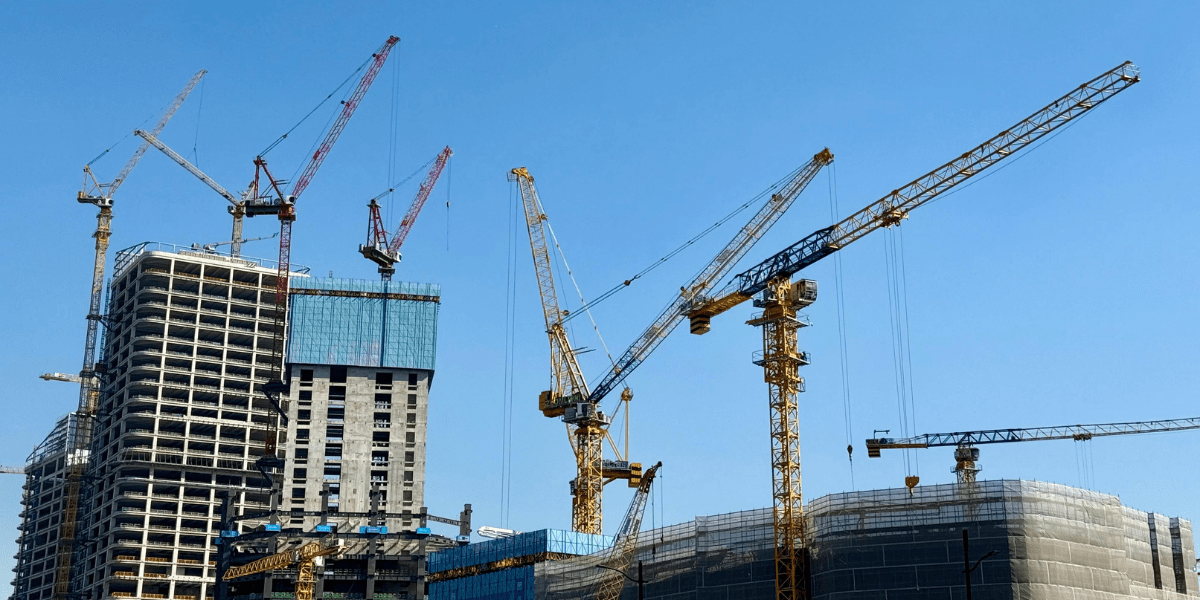
In New York City, officials confirmed progress on several large-scale housing initiatives aimed at increasing residential supply and improving affordability. A key milestone was reached in the advancement of mixed-use developments in Brooklyn and Queens, where thousands of new housing units are expected to come online over the next several years. These projects are part of a broader strategy to alleviate pressure on the city’s housing market, which has remained competitive due to sustained population growth and limited inventory.
City planning authorities emphasized that these developments will include a mix of market-rate and income-restricted units, along with community spaces and transit-oriented designs. By focusing construction near major transit hubs, planners aim to reduce commute times and improve accessibility for residents. Industry analysts note that such projects are critical in maintaining New York City’s long-term economic vitality, as housing availability directly impacts workforce stability and business growth.
At the same time, infrastructure upgrades remain a central focus. Transportation agencies reported continued progress on modernization efforts across key subway lines and commuter rail systems. Improvements include updated signaling systems, enhanced station accessibility, and ongoing maintenance work designed to increase reliability. These upgrades are expected to reduce delays and improve the overall commuting experience for millions of daily riders.
In Manhattan, commercial real estate trends are also evolving. Office leasing activity has shown gradual improvement, particularly in sectors such as finance, technology, and media. While hybrid work models continue to influence occupancy rates, companies are increasingly seeking high-quality office spaces that support collaboration and employee engagement. This shift is contributing to a more selective but steady recovery in the commercial property market.
Beyond New York, national developments in the entertainment industry drew attention as major film studios and streaming platforms announced new production initiatives. Several high-profile projects are scheduled to begin filming in the coming months, with New York City remaining a prominent location due to its established infrastructure and tax incentives. The continued investment in film and television production is expected to generate jobs and support local businesses, including hospitality and tourism.
In sports, teams across major U.S. leagues are entering critical phases of their seasons, driving increased fan engagement and economic activity. In New York, both baseball and basketball organizations are preparing for key matchups that could influence playoff positioning. Stadium attendance and viewership figures have remained strong, reflecting sustained interest in live sports and related entertainment experiences.
Crime and public safety also remain important topics for city officials and residents. Recent data released by law enforcement agencies indicates a mixed trend, with some categories of crime declining while others show modest increases. Authorities continue to implement targeted strategies aimed at improving safety, including community-based initiatives and enhanced patrol efforts in high-traffic areas. Public safety remains a central component of broader urban development efforts, as it directly impacts quality of life and economic confidence.
Legal and regulatory developments are also shaping the city’s landscape. Recent updates to zoning regulations and building codes are designed to streamline construction processes while maintaining safety and environmental standards. These changes are expected to support faster project approvals and encourage investment in both residential and commercial developments.
Culturally, New York City continues to solidify its role as a global hub for arts and entertainment. Museums, theaters, and cultural institutions are reporting increased attendance as tourism gradually strengthens. Spring programming across the city includes new exhibitions, live performances, and public events that highlight both established and emerging talent. These cultural activities not only enrich the city’s identity but also contribute significantly to its economy.
On the national level, business and economic indicators suggest a cautiously optimistic outlook. Recent reports point to steady growth in key sectors, including manufacturing, services, and technology. Companies are continuing to adapt to evolving market conditions by investing in innovation and workforce development. While challenges such as inflation and supply chain adjustments persist, the overall trajectory indicates resilience across multiple industries.
For readers and stakeholders, these developments underscore several key takeaways. In New York City, the focus on housing and infrastructure reflects a long-term commitment to sustainability and growth. Nationally, continued investment in entertainment, sports, and business sectors highlights the diverse drivers of economic activity. Together, these trends illustrate how local and national developments intersect to shape the broader U.S. landscape.
Looking ahead, the pace of progress in housing construction, infrastructure modernization, and economic activity will be closely monitored. As New York City continues to evolve alongside national trends, its role as a leading urban center remains central to understanding broader developments across the United States.