On March 31, 2026, New York City officials confirmed progress on a comprehensive Midtown rezoning initiative aimed at modernizing commercial districts, expanding mixed-use development, and addressing evolving workplace and housing demands. The plan, led by the New York City Department of City Planning, reflects broader national trends in urban redevelopment as cities adapt to shifting economic conditions and changing population needs.
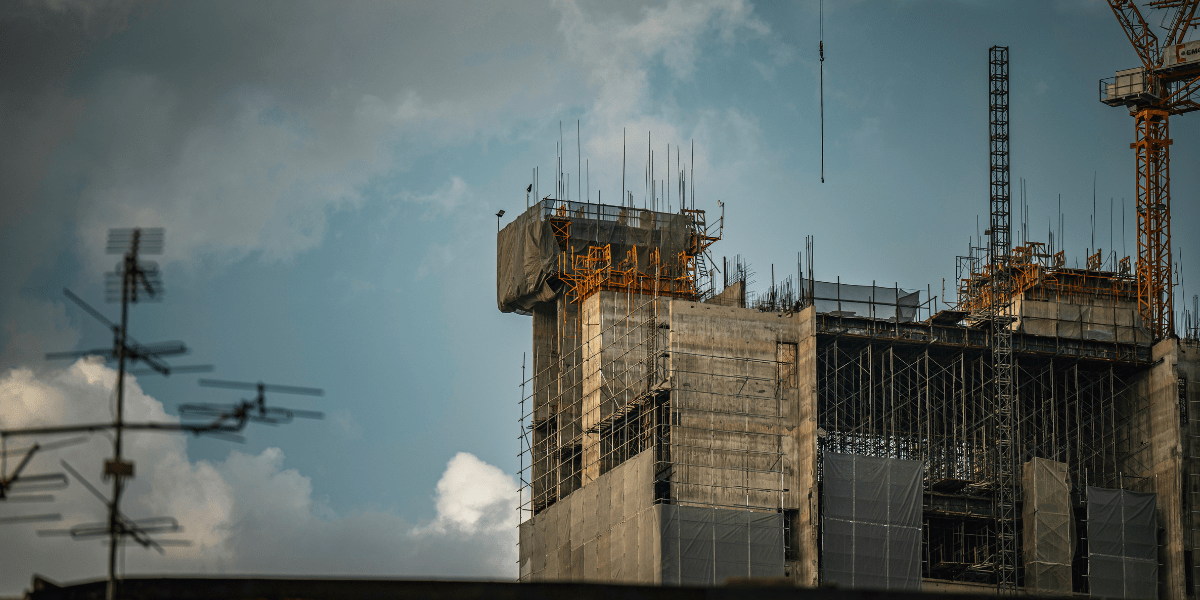
The proposal focuses on key sections of Midtown Manhattan, where aging office buildings and underutilized commercial spaces have prompted renewed calls for redevelopment. City planners say the initiative will allow for greater flexibility in land use, encouraging conversions of older office towers into residential units while also supporting new retail and public space investments.
A Strategic Shift for Midtown Manhattan
Midtown has long served as one of the nation’s most important business districts, but recent years have brought noticeable changes. Hybrid work models and evolving corporate strategies have reduced demand for traditional office space, leaving some buildings partially vacant.
Officials from the Department of City Planning noted that the rezoning effort is designed to respond to these challenges by creating a more dynamic, mixed-use environment. Proposed changes include updated zoning rules that allow residential conversions, incentives for modern office redevelopment, and requirements for improved public amenities such as pedestrian spaces and transit access.
City data indicates that a significant portion of office space in Midtown remains underutilized. Planners argue that repurposing these spaces into housing could help address New York City’s ongoing housing shortage while revitalizing the area’s economic activity.
Economic and Business Implications
The rezoning initiative is expected to have wide-ranging implications for the city’s business landscape. Real estate developers and investors have shown increasing interest in adaptive reuse projects, particularly in high-demand neighborhoods like Midtown.
Industry analysts suggest that converting older office buildings into residential units could unlock new revenue streams while aligning with current market demand. Updated zoning regulations may also encourage the construction of modern office spaces better suited to contemporary workplace needs.
The Real Estate Board of New York has expressed support for the plan, noting that zoning flexibility is critical to maintaining the city’s competitiveness as a global business hub. At the same time, stakeholders emphasize the importance of balancing development with affordability and community priorities.
National Context: Cities Adapting to Change
New York’s rezoning efforts reflect a broader national movement among major U.S. cities to rethink urban development strategies. Cities such as San Francisco, Chicago, and Washington, D.C. have introduced or explored similar policies aimed at converting commercial properties into residential use.
The Urban Land Institute has identified adaptive reuse as a growing trend, driven by shifts in work patterns and demographic changes. Urban planners increasingly advocate for mixed-use neighborhoods that combine residential, commercial, and recreational spaces to create more resilient city environments.
Community and Infrastructure Considerations
City officials have emphasized that infrastructure improvements will be central to the rezoning plan’s success. Proposed measures include upgrades to public transportation access, enhancements to pedestrian safety, and investments in green spaces.
The Metropolitan Transportation Authority is expected to coordinate with city planners to ensure that increased residential density in Midtown is supported by adequate transit capacity. Improvements to subway stations and bus routes are among the measures under consideration.
Community engagement remains an important part of the process. Public hearings and consultations are ongoing, allowing residents and local businesses to provide input on issues such as neighborhood character, building regulations, and access to affordable housing.
Cultural and Social Impact
The rezoning initiative is also expected to reshape Midtown’s cultural and social landscape. By introducing more residential spaces, officials aim to create a neighborhood that remains active beyond traditional business hours.
An increase in residents could support local businesses, cultural institutions, and entertainment venues, contributing to a more vibrant urban environment. The shift aligns with broader efforts to diversify Midtown’s identity and enhance its role as a live-work destination.
Urban development experts note that successful mixed-use projects often lead to stronger local economies and improved quality of life. However, they also stress the importance of ensuring equitable growth and minimizing displacement risks.
Legal and Regulatory Path Forward
The proposal must undergo a formal approval process that includes review by city agencies and legislative bodies. This process involves environmental assessments, public hearings, and potential revisions based on stakeholder feedback.
Large-scale zoning changes typically require careful legal and regulatory evaluation. Addressing community concerns and ensuring compliance with existing frameworks will be essential as the plan moves forward.
Key Takeaways
The Midtown rezoning initiative represents a significant effort by New York City to adapt to changing economic realities and urban needs. By encouraging mixed-use development and repurposing underutilized office space, the city aims to address housing challenges while revitalizing one of its most important districts.
At the national level, the initiative reflects a broader transformation in how cities approach development, emphasizing flexibility, sustainability, and community integration. The outcome of this plan could serve as a model for other urban centers navigating similar challenges.
As the approval process continues, the initiative is expected to remain a focal point for discussions about the future of urban living and economic development in the United States.