On April 9, 2026, New York City officials and urban development leaders highlighted accelerating progress in converting underutilized office buildings into residential housing, a strategy increasingly embraced across major U.S. cities to address persistent vacancy rates and housing shortages. The initiative reflects a broader national effort to adapt to shifting workplace trends while responding to long-standing urban housing demands.
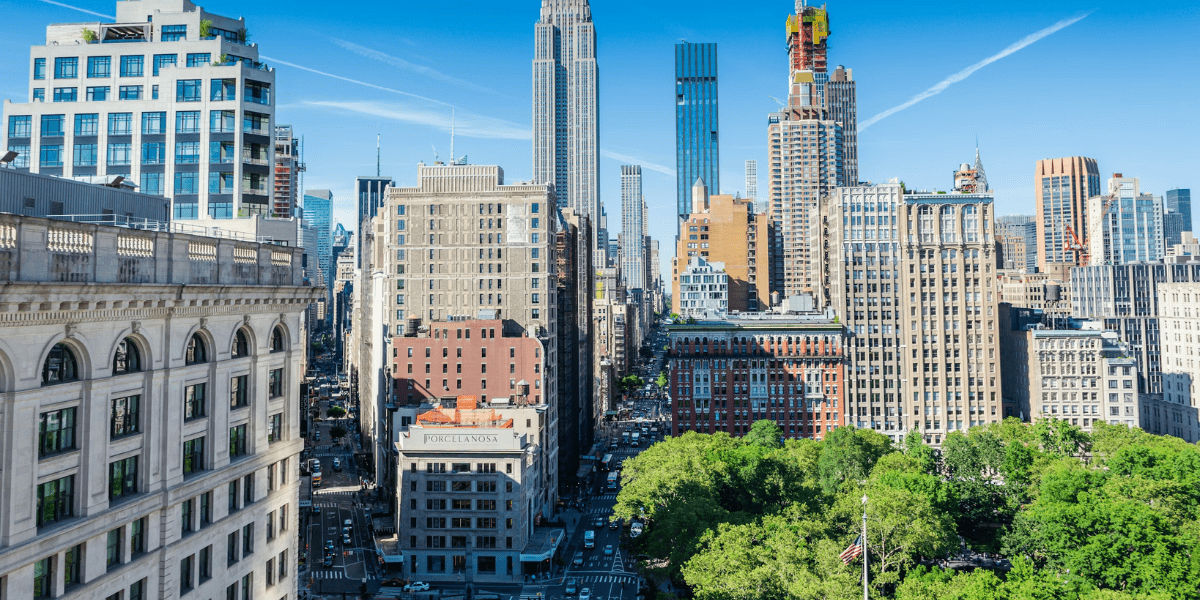
In Manhattan’s Financial District and Midtown corridors, several large-scale conversion projects have reached new milestones this week. Developers confirmed that multiple former office towers are now undergoing redevelopment into mixed-income residential units, with completion timelines extending through 2027. City officials noted that these projects are supported by updated zoning policies and tax incentives designed to make conversions more financially viable.
The push to repurpose office space comes as vacancy rates in key commercial districts remain elevated following the widespread adoption of hybrid work models. Recent real estate data indicates that office vacancies in Manhattan have remained near historic highs, prompting policymakers to explore adaptive reuse strategies. By transforming outdated office buildings into housing, the city aims to reduce excess supply in the commercial sector while easing pressure on the residential market.
City leadership has emphasized that the conversion program is part of a broader housing strategy aimed at creating tens of thousands of new units over the coming decade. Officials estimate that office-to-residential projects could yield up to 20,000 housing units if current proposals move forward as planned. These developments are expected to include a mix of market-rate and affordable housing, aligning with citywide goals to improve accessibility and affordability.
Beyond New York City, similar initiatives are gaining traction nationwide. Cities such as Washington, D.C., Chicago, and San Francisco have introduced policies encouraging adaptive reuse of commercial properties. Urban planning experts note that the combination of high office vacancy rates and housing shortages has created a unique opportunity to rethink traditional land use patterns in central business districts.
In New York, the economic implications of these conversions extend beyond housing. Construction activity associated with redevelopment projects is generating jobs and supporting local businesses, particularly in neighborhoods experiencing slower recovery. Additionally, increased residential density in formerly office-dominated areas is expected to boost foot traffic, benefiting retail and service sectors.
However, developers and policymakers acknowledge that not all office buildings are suitable for conversion. Structural limitations, including floor plate depth and window placement, can make some properties difficult or costly to adapt for residential use. As a result, feasibility studies and targeted incentives remain critical components of the city’s approach.
Legal and regulatory considerations also play a significant role. Building code requirements, including those related to light, air, and safety, must be carefully addressed during the conversion process. Recent policy adjustments have streamlined certain approval procedures, but developers continue to navigate complex compliance frameworks.
The trend has also drawn attention from the financial sector. Investors are increasingly evaluating conversion projects as an alternative to traditional commercial real estate investments, particularly in light of changing demand patterns. Analysts suggest that adaptive reuse could become a defining feature of urban real estate markets over the next decade.
From a cultural perspective, the transformation of office buildings into residential spaces is reshaping the identity of neighborhoods traditionally associated with business activity. In areas like Lower Manhattan, the influx of residents is contributing to a more vibrant, mixed-use environment that supports a wider range of community activities, from dining and entertainment to local services.
At the national level, federal agencies have expressed support for similar initiatives, recognizing their potential to address both housing shortages and economic revitalization. Programs that provide funding or technical assistance for urban redevelopment projects are expected to play a role in scaling these efforts across multiple cities.
While challenges remain, including financing complexities and construction timelines, the progress reported on April 9 underscores a growing alignment among policymakers, developers, and urban planners. Adaptive reuse is increasingly viewed as a practical solution to evolving urban needs, offering a way to balance economic recovery with long-term sustainability.
Key Takeaways
New York City’s office-to-residential conversion initiatives illustrate how urban centers are adapting to post-pandemic realities. By aligning housing policy with economic development strategies, cities are finding innovative ways to address vacancy challenges while creating more livable, resilient communities.