Across industries, many women in senior leadership roles meet every conventional marker of success. They hold responsibility, influence outcomes, and deliver results within complex organisational environments. Yet beneath this visible effectiveness, a quieter tension is increasingly present: leadership that functions externally while feeling internally misaligned.
This tension is often misinterpreted. It is rarely a matter of insufficient confidence or capability. More commonly, it reflects a gradual loss of internal coherence — the cumulative effect of leading in ways that prioritise adaptation over alignment.
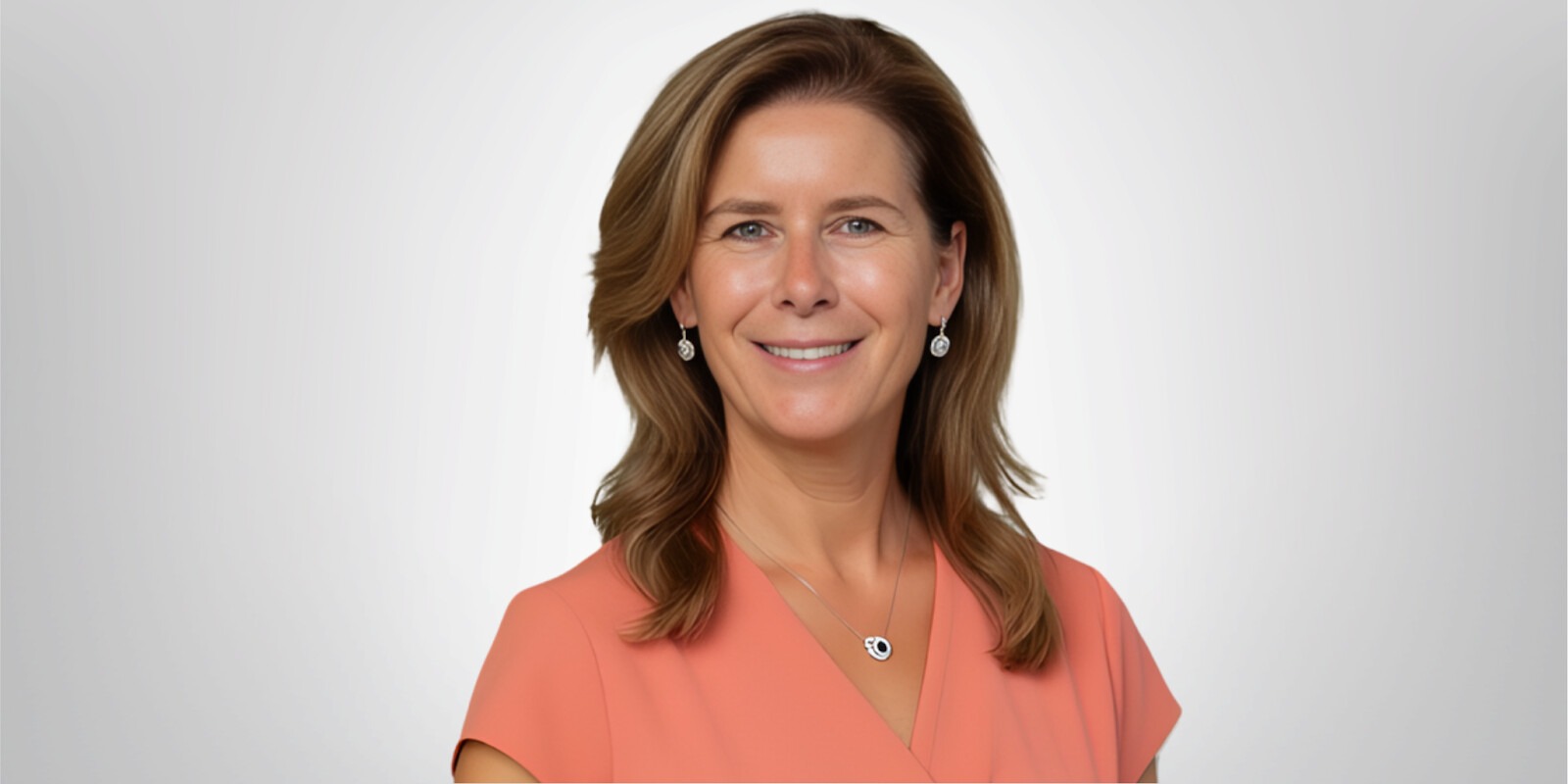
Helena Demuynck has spent years working alongside women navigating demanding leadership contexts. A consistent pattern emerged in this work: success was frequently achieved through sustained self-adjustment rather than through leadership that felt internally grounded and sustainable.
The Cost of Conformity in Leadership Systems
Many organisational cultures continue to reward a narrow set of leadership behaviours. Decisiveness is expected to follow familiar expressions, emotional regulation is equated with detachment, and availability is often treated as a proxy for commitment. For women advancing within these environments, adaptation becomes a practical necessity.
Over time, however, this adaptation carries consequences. Leaders may begin to override their own judgment, downplay intuition, and manage their presence as carefully as their performance. Rather than leading from a place of internal clarity, leadership becomes something that must be continuously maintained.
What is often described as resilience is, in practice, prolonged self-override.
Re-centering Authority Internally
Demuynck’s perspective on leadership development starts from a premise that remains underexplored in many organisations: leadership sustainability depends on internal alignment, not on performance alone.
When leaders are disconnected from their own limits, values, and rhythms, decision-making becomes reactive and strategic clarity erodes. Conversely, when leaders operate from internal coherence, authority no longer depends on constant demonstration. It becomes stable, legible, and consistent over time.
This shift does not require dramatic change. It involves a re-orientation — from proving competence toward exercising discernment, from managing perception toward managing capacity, and from constant adaptation toward structural clarity, particularly around boundaries.
In this view, leadership is not an added role layered onto the individual. It is an expression of a regulated, self-trusting internal state.
Why This Shift Is Increasingly Relevant
Many women leaders today operate under sustained pressure. Alongside professional responsibility, they often carry relational and emotional labour and navigate expectations that extend beyond role definitions. The effects of this load are rarely explicit, but they surface through exhaustion, reduced clarity, and a growing sense that leadership has become heavier than necessary.
Prevailing responses have focused on increasing resilience, confidence, or efficiency. While useful in limited ways, these approaches frequently overlook the underlying issue. The challenge is not insufficient effort, but insufficient coherence.
When leaders are internally aligned, decisions simplify, boundaries clarify, and authority stabilises. Leadership becomes more sustainable, not because demands disappear, but because internal fragmentation is reduced.
Toward a More Sustainable Leadership Standard
This approach does not dismiss ambition or responsibility. It reframes how they are carried.
Alignment replaces performance as the organising principle. Clarity replaces continuous adaptation. Authority is grounded internally rather than derived from external validation.
For organisations, this represents a more durable leadership standard — one that supports effectiveness without relying on self-erasure. In environments where image is often rewarded more quickly than integrity, leadership rooted in internal coherence offers a structural advantage rather than a personal preference.
About Helena Demuynck
Helena Demuynck is a leadership transformation expert and founder of oxygen4Leadership Ltd. She works with women in senior and complex leadership roles to strengthen internal coherence, decision quality, and sustainable authority. Her work focuses on alignment over performance and clarity over constant adaptation, supporting leaders to lead from a grounded, self-trusting position.
LinkedIn: https://www.linkedin.com/in/helenademuynck
Website: https://www.oxygen4leadership.com
Strengths in Motion: https:/shor.by/SIM