
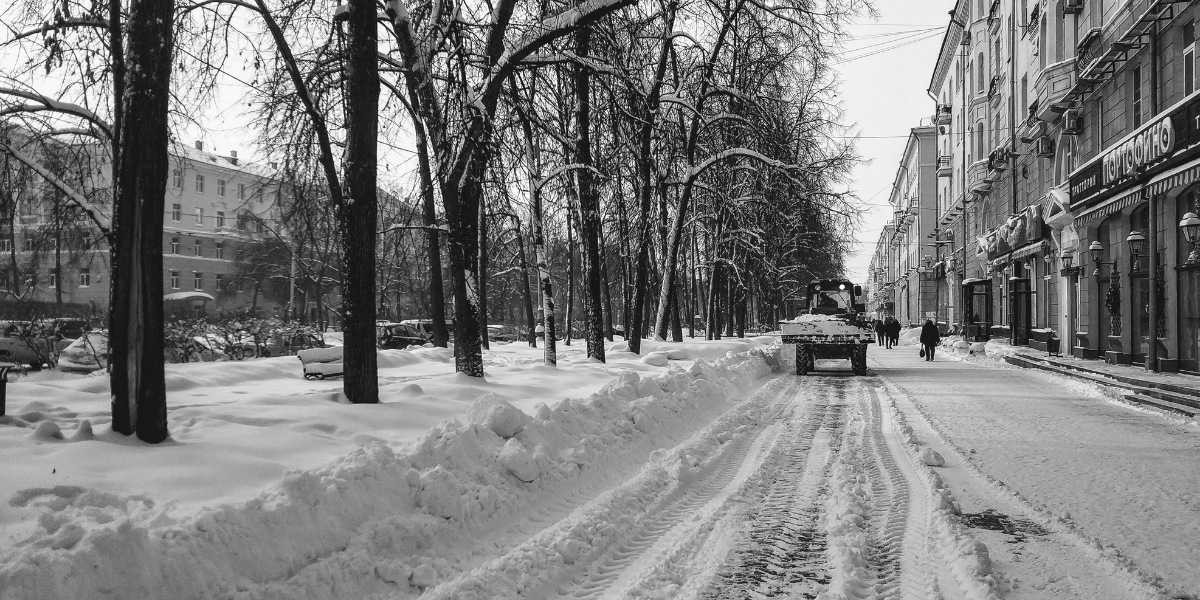
A massive and long‑lasting winter weather system continues to affect millions of Americans, underscoring the challenges of responding to extreme cold, snow, and ice across a vast portion of the country. The storm complex , which meteorologists have tracked as one of the most extensive in recent memory , has triggered travel disruptions, service delays, and infrastructure strain from the Southwest to the Northeast as communities move deeper into the heart of winter.
Historic Storm System Impacts Millions
Meteorological data indicate that more than 240 million people across more than 40 states have experienced the direct effects of this broad winter storm, which has dropped heavy snow and ice across territories stretching from Arizona all the way to Maine. The event’s scale , spanning over 2,000 miles , makes it one of the widest winter weather impacts seen in recent U.S. history.
Officials warn that dangerous travel conditions and hazardous road surfaces are persisting in key regions, especially across the Ohio Valley, Great Lakes, and northeastern corridors. Extended sub‑freezing temperatures also continue to create ice issues that interfere with transportation, outdoor infrastructure, and daily routines for residents.
Snow Cleanup and City Services Under Pressure
Major cities , including New York City , are still grappling with the aftermath of massive snowfall dumped earlier in the week. Residents are reporting giant snow piles blocking streets, sidewalks, and bike lanes, while sanitation crews continue to work around the clock to clear thoroughfares. Despite ongoing efforts, travel and pedestrian mobility remain constrained in multiple neighborhoods, complicating daily commutes and municipal operations.
As part of the ongoing response:
- Alternate side parking suspensions have been extended to help manage snow removal without further penalizing residents who struggle to locate space in still‑treacherous conditions.
- Public complaints have surged regarding heat outages and utility disruptions, particularly in older housing stock and public housing complexes where inadequate indoor temperatures pose health risks for vulnerable populations.
These compounding challenges are exacerbated by sustained frigid weather, which has led to phenomena such as sections of the Hudson River partially freezing , a rare but increasingly visible sign of the city’s prolonged deep freeze. Even satellite imagery has captured significant ice formation along the Hudson’s western bank in Manhattan, which can affect local transport patterns and riverine ecosystems.
Service and Infrastructure Delays
Simply clearing snow and ice from roads does not tell the full story of the storm’s impact. Major logistics and service networks have announced operational delays due to extreme weather conditions. For example, the U.S. Postal Service warned customers that snow and ice cleanup could affect mail delivery schedules and safe transportation routes.
Such disruptions compound the hardships already felt by residents who are contending with school closings, canceled flights, and increased demand for emergency and sanitation services.
Wider Weather Patterns and Forecasts
Climatologists and the National Weather Service note that the winter pattern seen this year aligns with persistent cold air masses and storm tracks that have dominated much of the Northern United States. Seasonal analyses suggest that cooler‑than‑average temperatures and extended precipitation signals will likely continue across key northern and mid‑western regions, confirming that winter’s grip remains strong as the season progresses.
Such forecasts are critical for municipal planners and emergency responders, who rely on accurate climate projections to allocate resources and prepare for additional weather events that could compound existing challenges.
Significance and Takeaways
This ongoing winter weather crisis is significant for several reasons:
- Societal resilience: The storm highlights how deeply interconnected weather conditions are with public safety, transportation infrastructure, housing systems, and everyday life.
- Service continuity: Utility disruptions and service delays (from postal delivery to road maintenance) show how extreme weather can ripple through essential operations.
- Public health risks: Prolonged cold weather increases risks for hypothermia, heat outages in residential buildings, and other cold‑related health emergencies, stressing the need for robust community support systems.
For readers in New York and across affected regions, this event serves as a reminder of the importance of winter preparedness , including insulating homes, monitoring service alerts, and allowing extra time for travel and daily tasks when conditions remain hazardous.