
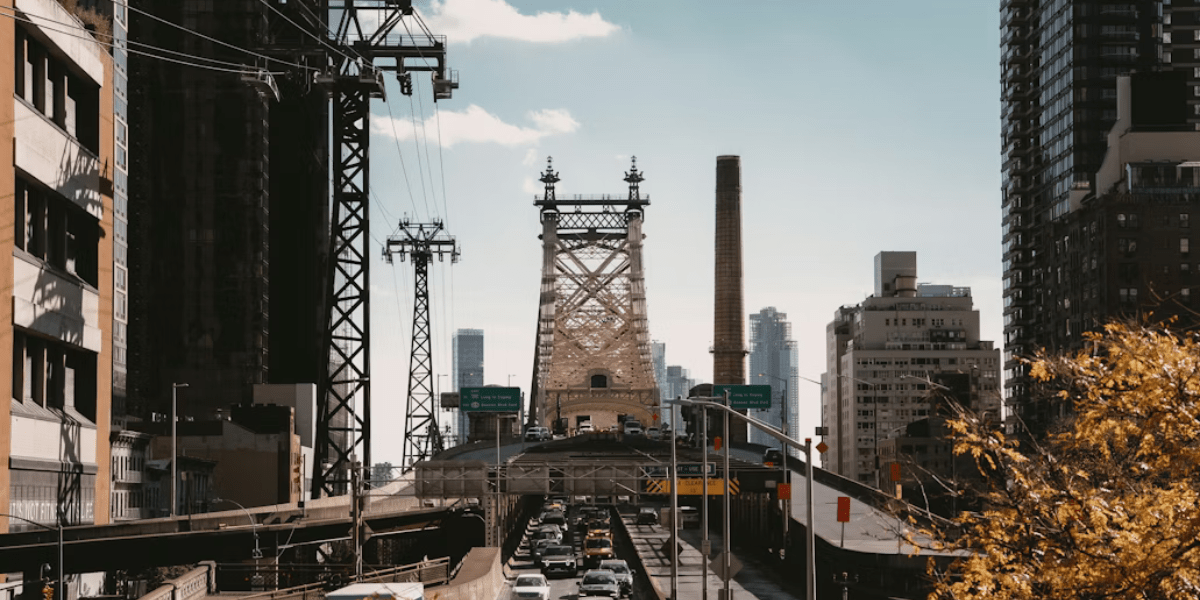
New York City is entering a significant period of development in 2026, with major infrastructure projects, real estate activity, and urban planning initiatives shaping the city’s economic outlook. From the long-anticipated completion of the World Trade Center complex to new housing proposals and strong luxury real estate sales, these developments reflect the continuing transformation of the nation’s largest city.
One of the most notable projects currently moving forward is the planned construction of 2 World Trade Center, the final office tower in the rebuilt World Trade Center complex in Lower Manhattan. Construction is expected to begin in 2026, marking another milestone in the redevelopment of the historic site. The 55-story tower will provide approximately two million square feet of office space and is expected to serve as a major corporate headquarters, supporting thousands of jobs in the city.
The World Trade Center redevelopment has been underway for more than two decades. The complex already includes several major buildings, the 9/11 Memorial and Museum, and a transportation hub that connects multiple subway lines and regional transit systems. Once completed, the final tower will complete the transformation of the site into a modern business district that reflects both economic growth and historical remembrance.
Beyond Lower Manhattan, city planners are also exploring ambitious solutions to New York’s housing shortage. A proposed development above the Sunnyside Yard rail yard in Queens could become one of the largest housing initiatives in the city’s history. The proposal calls for constructing a massive deck over the rail yard and building residential towers, parks, schools, and community facilities on top of the new platform.
If approved, the project could create as many as 12,000 housing units, along with new public spaces and infrastructure improvements. Supporters believe the development could play an important role in addressing the city’s housing demand, which has intensified as population growth and economic activity increase pressure on the housing market.
However, the proposal also presents complex engineering and financial challenges. Building above active rail infrastructure requires careful coordination with transportation agencies, including Amtrak and the Metropolitan Transportation Authority. City officials and urban planners continue to study the feasibility of the project while exploring funding options and community feedback.
While the city works to expand housing opportunities, the luxury real estate market in Manhattan is showing renewed momentum. Recent data indicates that high-end residential properties are experiencing increased demand, particularly in neighborhoods such as the Upper East Side, Tribeca, and Central Park South.
Several luxury homes and condominiums valued at more than $4 million have gone under contract in recent weeks, contributing to a strong start for the city’s real estate market in early 2026. Some of the highest-value deals include historic townhouses and newly built condominiums featuring modern amenities, expansive city views, and proximity to cultural landmarks.
Real estate analysts say the strong performance of the luxury market reflects continued confidence in New York as a global financial center. Wealthy domestic and international buyers often view Manhattan property as a long-term investment, contributing to sustained demand even during periods of broader economic uncertainty.
The hospitality industry is also expanding, with new hotel developments underway in Midtown Manhattan. One of the latest projects is a 33-story hotel scheduled to open near Fifth Avenue, adding hundreds of new guest rooms in one of the city’s busiest commercial districts. The property will feature multiple restaurants, event spaces, and retail areas designed to attract both visitors and local residents.
Hospitality developers say the project reflects optimism about the future of tourism in New York City. Visitor numbers have steadily increased as international travel continues to recover, and major attractions such as Broadway theaters, museums, and cultural institutions remain key draws for travelers from around the world.
Tourism plays a crucial role in the city’s economy, supporting thousands of jobs across hospitality, transportation, retail, and entertainment sectors. New hotels and hospitality investments help accommodate rising visitor demand while contributing to economic growth across the city.
Together, these projects highlight the dynamic nature of New York City’s development landscape. Large-scale construction initiatives, housing proposals, and expanding tourism infrastructure all play a role in shaping the city’s future. At the same time, policymakers must balance growth with affordability, infrastructure needs, and community concerns.
Urban planners emphasize that long-term success will depend on coordinated investment in transportation, housing, and sustainable infrastructure. Projects currently under consideration could influence how New York grows over the next several decades, affecting both residents and businesses.
For observers across the United States, the latest wave of development underscores New York City’s continuing role as a national center of commerce, culture, and innovation. As new projects reshape neighborhoods and expand opportunities, the city remains a focal point for urban development and economic activity in the years ahead.