New York Expands Green Infrastructure, Transit Modernization, and Waterfront Renewal in Citywide Development Push
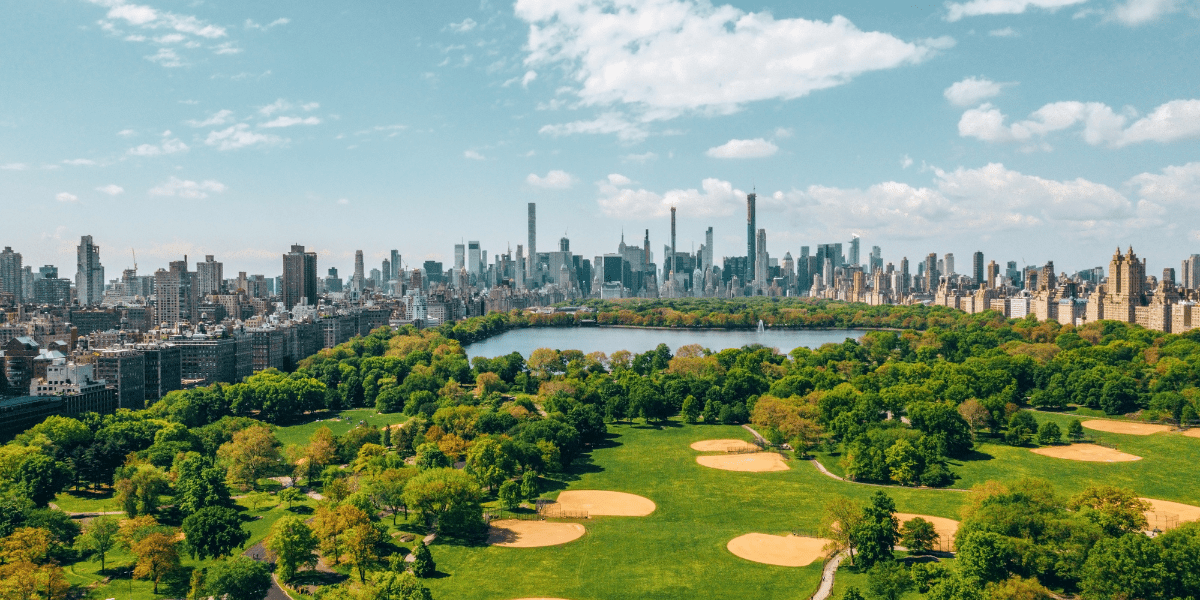
In a series of updates released in April 2026, New York City highlighted multiple ongoing initiatives aimed at improving transportation, expanding green infrastructure, and strengthening climate resilience across the city. The projects are part of a broader effort to modernize public systems while improving quality of life for residents.
City officials described the developments as part of a long-term strategy focused on sustainability, mobility, and economic opportunity, with work continuing across all five boroughs.
Subway System Modernization Advances
One of the most significant updates comes from continued improvements to New York’s subway system, where major corridors are undergoing signal modernization upgrades. The new systems are designed to improve train frequency, reduce delays, and increase overall service reliability.
Transportation officials noted that sections of the system that have already transitioned to modern signaling technology are showing improved on-time performance and smoother operations during peak travel hours. While installation work is still ongoing in several areas, the upgrades are expected to significantly enhance daily commuting once fully completed.
Expansion of Green Corridors Across the City
New York has also expanded its network of green corridors, which include tree-lined streets, improved pedestrian walkways, and stormwater management features such as bioswales and permeable pavement.
These upgrades are designed to reduce urban heat, improve air quality, and help manage heavy rainfall more effectively. Early environmental observations suggest that upgraded areas are experiencing lower surface temperatures during warmer periods, improving comfort for pedestrians.
The initiative also focuses on increasing walkability and making streets more accessible for residents in densely populated neighborhoods.
Waterfront Resilience and Public Space Expansion
In Brooklyn, a major waterfront project has reached a new stage with the opening of additional public access areas along a previously underused shoreline. The development combines flood protection infrastructure with recreational space, including walking paths, seating areas, and restored natural landscapes.
The project is designed to protect nearby communities from storm surges and rising sea levels while also providing expanded recreational opportunities for residents. Local feedback has been positive, with community members highlighting improved access to the waterfront and increased green space.
Workforce Development and Economic Growth
Alongside infrastructure improvements, New York has expanded job training and workforce development programs linked to public projects. These initiatives focus on preparing residents for careers in clean energy, transit systems, and sustainable construction.
Thousands of participants are reportedly enrolled in training pipelines tied to ongoing city projects. Officials say this approach helps ensure that infrastructure investment also translates into long-term employment opportunities.
Small business support programs connected to redevelopment zones have also continued to grow, particularly in neighborhoods experiencing increased public investment.
Community Engagement and Long-Term Planning
City planners have emphasized the importance of public participation in shaping infrastructure projects. Community meetings and consultations have been held to gather feedback on transportation upgrades, park improvements, and neighborhood development plans.
Experts note that New York’s current approach reflects a broader shift toward integrated urban planning, where transportation, environmental protection, and economic development are coordinated together.
While many of the projects are still in progress, early results point to improvements in transit reliability, expanded access to green space, and stronger climate preparedness across multiple boroughs.

NY Review Contributor
Covers New York and national affairs, from City Hall to the neighbourhoods the decisions land in.
This article features partner, contributor, or branded content from a third party. Members of the NY Review editorial staff were not involved in the creation of this content. All views and opinions are those of the contributor alone.
You May Also Like
Erawan Thai Cuisine Redefines Bayside Thai Dining

Ghina Makari Cane Introduces Let’s Learn Numbers and Counting with Tractors, Diggers and Trucks

IT Intelligent Treatment Brings A New Vision Of Regenerative Aesthetics To New York With SomaCell®

How Heather Falk Built The Diamond Standard Coaching to Turn Clarity Into Meaningful Growth

The Modern Family Needs a Modern Estate Plan