
New York City Sees Historic Drop in Major Crime as Officials Expand Summer Safety Strategy
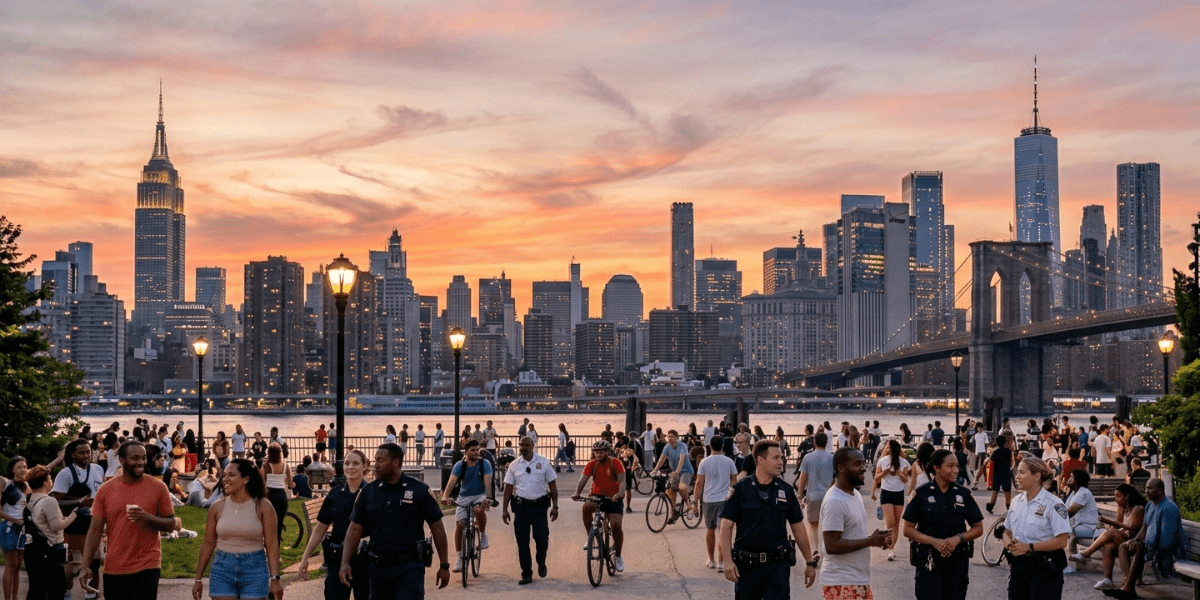
NYC officials announced a significant decline in major crime across the five boroughs, reporting one of the strongest public safety trends in recent years. City data shows overall crime dropped sharply during the year, with notable reductions in murder, robbery, burglary, and auto theft. Officials attribute the decline to targeted policing, increased officer deployment in high-risk areas, and expanded community safety programs. Officials noted that the decline reflects continued recovery in public safety efforts across the city following several years of fluctuating crime patterns. The improvements were observed across multiple boroughs, including both residential communities and major commercial districts.
Homicide figures reached historic lows, with monthly totals falling to levels not seen in decades. Police leaders credit gun suppression initiatives and violent crime prevention units for reducing shootings and serious incidents. Robbery and burglary cases also continued to decline in residential and commercial areas, while subway and transit-related crime showed improvement compared to previous years. Authorities also pointed to improved coordination between precincts and real-time crime monitoring systems that allow faster response to incidents. These measures have been credited with improving response times and deterrence in key areas.
Officials say improvements come from a multi-layered policing strategy combining data-driven deployment and neighborhood-focused enforcement. The approach identifies crime hotspots and allocates resources more efficiently. The city has also expanded community programs, including youth outreach, job initiatives, and conflict mediation. Efforts to remove illegal firearms remain a top priority. Officials also highlighted investments in technology, including surveillance tools and predictive analytics, as part of broader crime reduction efforts.
Ahead of the summer season, law enforcement is increasing safety measures to sustain the decline in crime. Thousands of officers will be deployed in areas with higher risk, focusing on visibility, rapid response, and community engagement. Officials aim to prevent seasonal spikes in violence that often occur during warmer months. Extra patrols will also cover transit hubs, entertainment districts, and major events. City leaders said these measures are intended to ensure public safety during major events, street festivals, and peak tourism periods throughout the summer.
Officials acknowledged that some challenges remain, including mixed trends in certain crime categories such as retail theft and sexual offenses, depending on reporting changes and location. They emphasized that statistical improvements do not reduce the need for continued vigilance and investment in long-term safety efforts. Coordination between police, community groups, and city agencies remains essential. They also noted ongoing efforts to improve reporting accuracy and strengthen community trust in law enforcement institutions.
Residents and business owners have responded with cautious optimism, noting increased police presence and improved conditions in some neighborhoods. Commercial areas and transit corridors in particular report greater stability. Tourism and retail sectors may benefit as the city enters a busy season. Experts caution that sustaining progress will depend on long-term strategy rather than short-term enforcement. City officials say continued progress will depend on maintaining funding levels and strengthening cooperation across all public safety agencies.

NY Review Contributor
Covers New York and national affairs, from City Hall to the neighbourhoods the decisions land in.
This article features partner, contributor, or branded content from a third party. Members of the NY Review editorial staff were not involved in the creation of this content. All views and opinions are those of the contributor alone.
You May Also Like

Anthony Keven Keane Earns Bestseller And Book Award Recognition For Forgiveness For Change

Joe Vitale Proves His “Zero Limits” Philosophy By Taking On New Challenges At Every Age

2026 New Balance Bronx 10 Mile Draws 13,000 Runners To New York City Streets

Wall Street Selloff Deepens As Treasury Yields Cross 5 Percent And Oil Prices Surge

RiverWind Vineyard: A Love Story In Rockland