U.S. Sports Roundup: Playoff Pushes, Rivalries, and a Packed Multi-League Slate
Professional and collegiate sports across the United States are delivering a dense stretch of competition, with postseason basketball intensity, a full Major League Baseball schedule, international hockey matchups, and growing momentum in women’s professional basketball and college tournaments. Across leagues, teams are entering decisive phases where standings, series outcomes, and long-term momentum are increasingly on the line.
NBA Playoffs Intensify with Conference Finals Action
The NBA postseason has reached its most critical stage, with conference finals series drawing the highest level of attention. At this point in the playoffs, remaining teams are battling for a place in the championship round, and every game carries significant weight.
One Western Conference matchup has particularly stood out due to its blend of emerging talent and established postseason experience. The Oklahoma City Thunder and San Antonio Spurs have been locked in a tightly contested series, featuring contrasting team identities: Oklahoma City’s depth, pace, and perimeter scoring against San Antonio’s structured offense built around a generational young star in Victor Wembanyama.
The Thunder’s roster construction emphasizes versatility, with multiple players capable of initiating offense and switching defensively across positions. Meanwhile, the Spurs have leaned heavily on their interior presence and half-court execution, often relying on late-game composure to stay competitive.
As the series has progressed, each game has underscored how narrow the gap is between the two teams despite their different developmental timelines. Coaching adjustments, bench production, and turnover control have all played defining roles. With the series nearing its conclusion, both teams are operating under heightened pressure where a single quarter can determine momentum shifts that define the outcome.
MLB Season Enters Competitive Midpoint Stretch
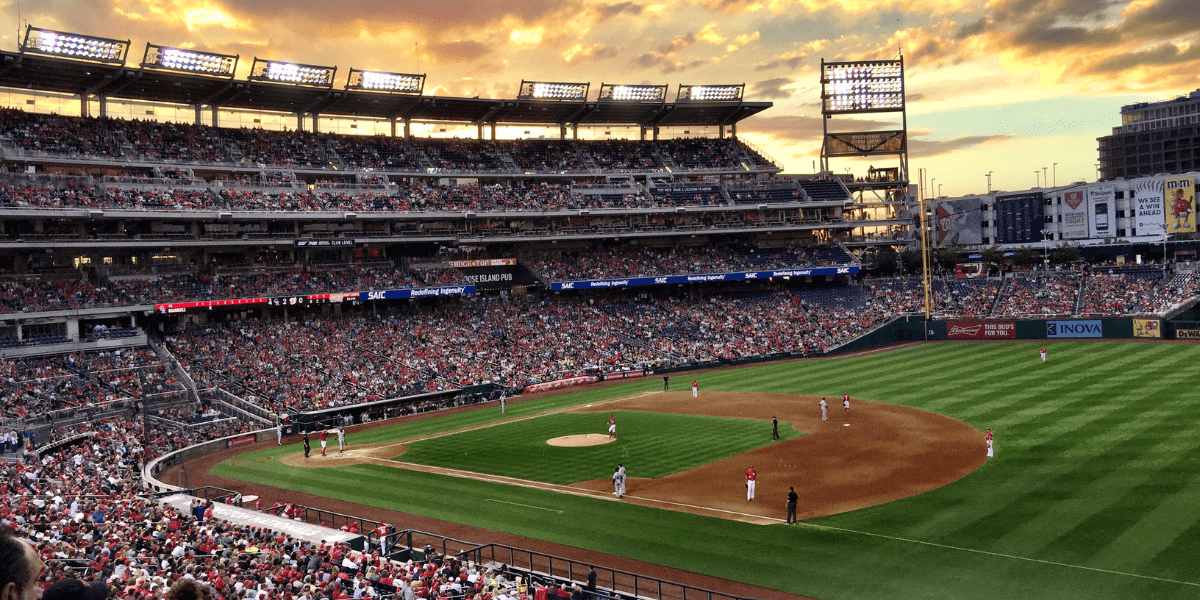
Major League Baseball continues its long regular season with a full slate of games across the country, and early division races are beginning to take shape. While the season is far from its final stages, patterns are emerging that separate early contenders from teams struggling to maintain consistency.
Several matchups highlight key rivalries and playoff implications. Interleague games and division contests are especially important at this stage, as they often serve as tiebreakers later in the year. Teams like the Atlanta Braves, Houston Astros, and Baltimore Orioles remain closely watched due to their sustained performance in recent seasons and continued roster strength.
Pitching depth remains a central storyline across the league. Teams with reliable starting rotations and bullpen stability are gaining an edge, particularly in tightly contested divisions. Offensively, power hitting continues to shape outcomes, but consistency with runners in scoring position has proven equally important.
As teams approach the midpoint of the season, roster adjustments, call-ups from the minor leagues, and injury management are beginning to influence standings in meaningful ways.
International Hockey Brings High-Stakes Rivalry
On the international stage, the IIHF World Championship features one of hockey’s most recognized rivalries: the United States versus Canada. These matchups consistently draw attention due to the historical competitiveness between the two nations and the NHL-level talent represented on both rosters.
Games between the U.S. and Canada are often defined by physical intensity, fast transitions, and elite goaltending performances. In tournament settings, the stakes are amplified further, as elimination rounds leave no room for recovery after a loss.
Both teams typically rely on balanced scoring lines and disciplined defensive structures. Special teams—particularly power-play efficiency and penalty killing—often become deciding factors in closely matched games. Beyond national pride, these contests also serve as evaluations of emerging talent likely to transition into larger roles in professional leagues.
WNBA Season Continues Early Momentum
The WNBA season is also underway, with teams working to establish rhythm and chemistry early in the schedule. Matchups such as the Las Vegas Aces facing the Dallas Wings and the Indiana Fever competing against the Golden State Valkyries highlight both veteran leadership and the league’s growing youth movement.
The Aces remain one of the most closely followed franchises due to their established core and championship expectations. Their style emphasizes pace, offensive spacing, and defensive pressure that forces turnovers and transition scoring opportunities.
Meanwhile, younger teams like the Fever and Valkyries are focused on development, integrating new talent and refining rotations. These early-season games often reveal how quickly teams can adapt to coaching systems and how rookies adjust to professional-level speed and physicality.
College Sports and Tennis Add to the Competitive Landscape
Beyond professional leagues, college athletics continue to provide high-stakes competition. In softball, elimination rounds in national tournaments are narrowing the field, with programs competing in win-or-go-home scenarios that emphasize pitching depth and defensive precision.
In tennis, the French Open is underway in Paris, drawing global attention as players compete on clay courts that demand endurance, tactical shot placement, and mental resilience. Early-round matches often produce unexpected results, as surface specialization plays a significant role in outcomes.
Outlook
Across leagues and levels, the current sports landscape is defined by convergence: playoff intensity in basketball, midseason positioning in baseball, international rivalry in hockey, and developmental momentum in women’s and college sports. Each competition reflects a different stage of its season, but all share a common theme—teams and athletes are entering moments where consistency, depth, and execution determine progression and success.
As these storylines continue to develop, fans can expect a period of heightened competition across nearly every major sport, with implications that will shape standings, postseason paths, and long-term trajectories.

NY Review Contributor
Covers sport and entertainment in New York, from the arenas to the stages.
This article features partner, contributor, or branded content from a third party. Members of the NY Review editorial staff were not involved in the creation of this content. All views and opinions are those of the contributor alone.
You May Also Like

Ghina Makari Cane Introduces Let’s Learn Numbers and Counting with Tractors, Diggers and Trucks

IT Intelligent Treatment Brings A New Vision Of Regenerative Aesthetics To New York With SomaCell®

How Heather Falk Built The Diamond Standard Coaching to Turn Clarity Into Meaningful Growth

The Modern Family Needs a Modern Estate Plan

Chris Anthony Turns Corporate Events Into Lasting Experiences