
FAA Communications Outage Disrupts Thousands Of Flights Across New York And The Northeast
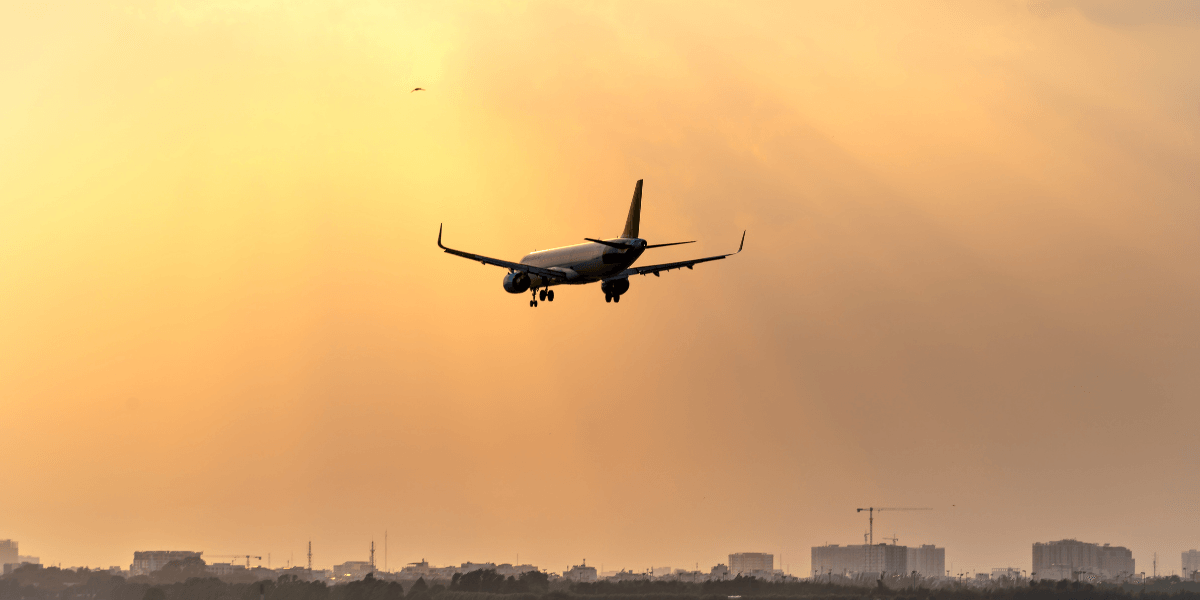
Thousands of flights faced delays and cancellations after a communications failure disrupted major New York and Northeast airports.
Thousands of travelers faced an unexpectedly difficult Monday on September 21, 2026, as a Federal Aviation Administration communications failure disrupted air travel across the Northeast and sent delays through the national aviation system. Major airports serving New York City were among the hardest hit. Flights were temporarily halted or restricted at John F. Kennedy International Airport, LaGuardia Airport, and Newark Liberty International Airport as aviation officials worked to restore critical telecommunications connections. By late afternoon, operations were beginning to resume, but travelers continued to encounter significant delays and cancellations.
FAA Communications Outage Hits Major Northeast Airports
The disruption originated with communications equipment connected to the FAA air traffic control facility in Philadelphia. According to reporting from the Associated Press and NBC New York, a primary communications circuit failed. When the system attempted to rely on its backup connection, officials discovered that a fiber optic line in New Jersey had been severed.
The resulting telecommunications problem affected the FAA's ability to safely manage normal levels of air traffic. Authorities responded by imposing ground stops and other restrictions at airports across the region.
FAA records from September 21 show that John F. Kennedy International Airport was placed under a ground stop because of an equipment outage. One FAA advisory covering JFK listed an average delay of 49 minutes for affected flights during that particular restriction, with a maximum delay of 71 minutes. Other restrictions affected Newark, Philadelphia, and additional airports.
The consequences became much larger as the day progressed. ABC7 New York reported more than 900 flight cancellations nationwide and another 5,000 delays during the disruption, with Newark experiencing particularly severe problems.
New York Area Travelers Face Hours Of Disruption
Newark was among the airports experiencing the longest interruption. The Associated Press reported that no flights landed at Newark between approximately 9:40 a.m. and 5:20 p.m. More than 600 Newark flights were canceled, while Philadelphia International Airport recorded more than 200 cancellations. JFK and LaGuardia also experienced significant delays.
CBS New York reported that the outage produced effects extending well beyond the airports immediately involved. Because aircraft and crews operate through interconnected schedules, a disruption at major transportation hubs can affect later flights in other parts of the country.
For passengers, that meant the restoration of air traffic control communications did not immediately return schedules to normal. Airlines still needed to reposition aircraft and crews while airports worked through delayed departures and arrivals.
Travelers were advised to verify their flight status directly with their airline before traveling to the airport. Some carriers also offered customers additional flexibility to change affected travel plans.
What Caused The Aviation Disruption
The technical failure involved both primary and backup communications infrastructure.
NBC New York reported that FAA Administrator Bryan Bedford said an older primary circuit failed Monday morning. The backup fiber connection was then found to have been cut in New Jersey. The damaged cable ran near a rail corridor, and officials confirmed that construction activity had severed the fiber line. Questions remained during the day about the circumstances surrounding the damage and which contractor was responsible.
The distinction is important because the aviation disruption was not caused by conditions at one individual airport. Instead, the communications problem affected infrastructure used to coordinate aircraft movements across a heavily traveled region.
By late Monday afternoon, the FAA reported that operations were returning at the major airports. However, officials warned that clearing the accumulated delays would take additional time.
Why The September 21 Flight Disruption Matters
The September 21 FAA communications outage demonstrated how problems with supporting infrastructure can quickly spread through the United States aviation network. New York's three major airports collectively handle an enormous volume of domestic and international traffic, which means prolonged restrictions in the region can affect passengers far beyond New York and New Jersey.
The incident also came as the FAA continues efforts to modernize air traffic management technology. On September 21, the agency separately announced a new airspace management platform designed to combine information such as weather, flight paths, traffic flow, and controller staffing into a centralized system.
For travelers, the practical lesson is straightforward. Even after an airport ground stop is lifted, disruptions can continue for hours because aircraft, crews, gates, and connecting passengers may no longer be where scheduled.
Passengers affected by a major aviation outage should therefore monitor airline notifications and verify departure information before leaving for the airport. Monday's disruption showed how quickly a telecommunications failure in one part of the Northeast can create widespread consequences across the national air travel system.

NY Review Contributor
Covers New York and national affairs, from City Hall to the neighbourhoods the decisions land in.
This article features partner, contributor, or branded content from a third party. Members of the NY Review editorial staff were not involved in the creation of this content. All views and opinions are those of the contributor alone.
You May Also Like

Joe Vitale Proves His “Zero Limits” Philosophy By Taking On New Challenges At Every Age

2026 New Balance Bronx 10 Mile Draws 13,000 Runners To New York City Streets

Wall Street Selloff Deepens As Treasury Yields Cross 5 Percent And Oil Prices Surge

RiverWind Vineyard: A Love Story In Rockland
Mets and Yankees Meet in Subway Series Finale With New York Bragging Rights at Stake