
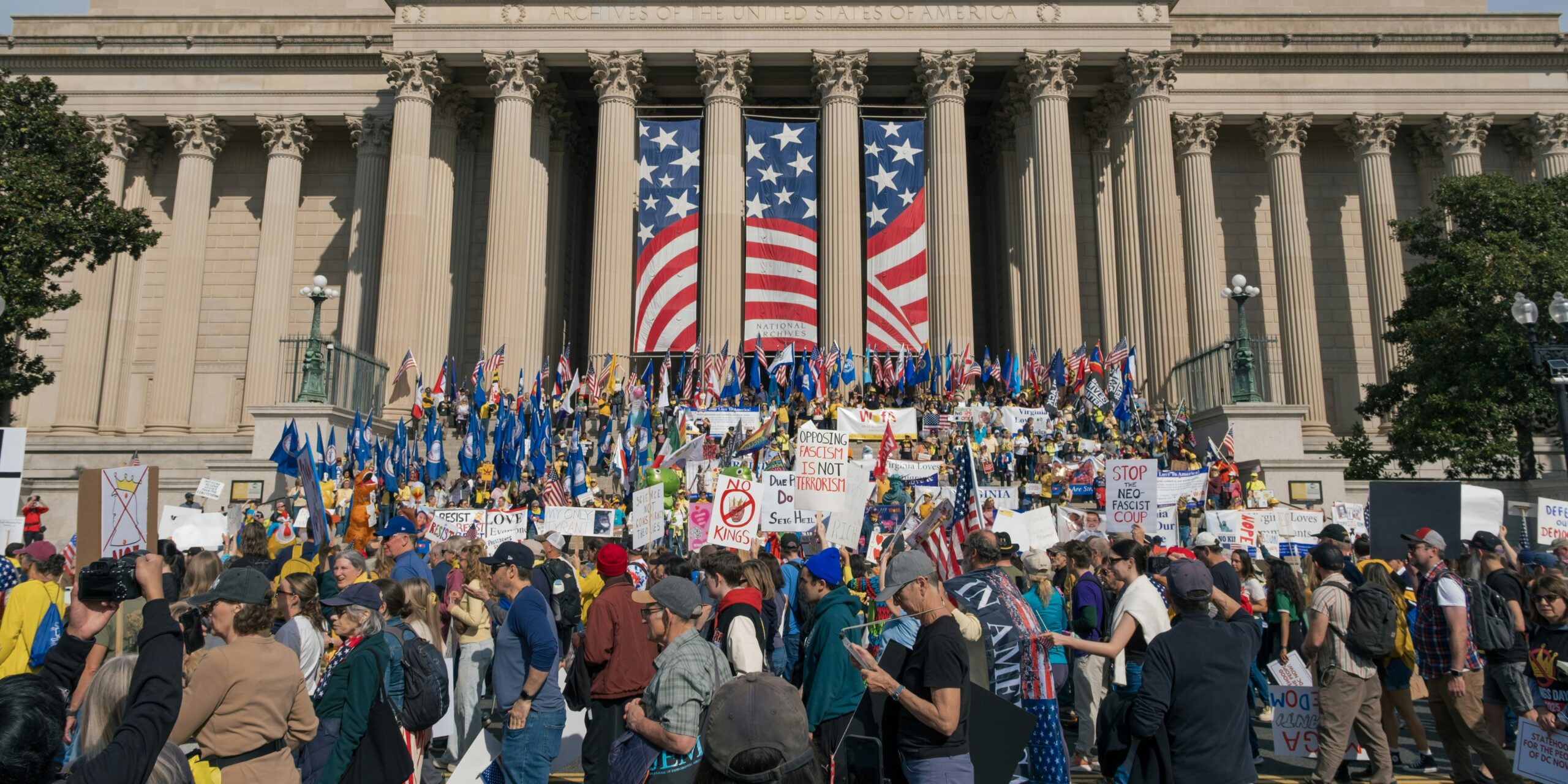
On January 30, 2026, a nationwide general strike took place across the United States, as workers, students, and activists joined in a coordinated effort to protest federal immigration enforcement policies. The event, known as the National Shutdown or “ICE Out,” was organized by a coalition of labor unions, student groups, and community organizations. The strike involved a day of walkouts, demonstrations, and economic actions, aimed at drawing attention to the perceived injustices in immigration enforcement and demanding expanded protections for immigrant communities.
The day of action was designed to make a bold statement by encouraging participants to refrain from their normal activities, including going to work, attending school, and engaging in commerce. This collective disruption was intended to emphasize the power of solidarity and to highlight the urgency of addressing federal immigration policies that have been criticized for their aggressive enforcement tactics. The slogan “no work, no school, no shopping” was used to mobilize individuals across the nation, signaling that the movement was not only about protesting but also about demonstrating the essential roles of immigrant communities in U.S. society.
Protests took place in cities across the country, from Minneapolis to New York City, Los Angeles, and Portland. Mass gatherings occurred in public squares and outside government buildings, where participants rallied to demand changes in immigration law, accountability for recent federal enforcement actions, and the protection of immigrant rights. In several areas, businesses closed either voluntarily or in solidarity with the cause, with some donating their profits to immigrant rights organizations or hosting community support events. These demonstrations reflected a deeply felt frustration with federal immigration enforcement tactics, which many communities feel have become more aggressive and damaging to vulnerable populations.
One of the key motivations behind the strike was the series of controversial federal immigration operations, particularly those in Minnesota, where several individuals were killed during encounters with federal agents in early 2026. These incidents fueled outrage and protests, particularly in the region, where tensions had already been high due to the aggressive tactics employed by Immigration and Customs Enforcement (ICE). The protestors, many of whom were directly impacted by these policies, demanded accountability for these actions, as well as the cessation of such operations.
In addition to the protests, a significant number of students walked out of their classrooms in solidarity with the cause. These student-led actions were especially visible in school districts across the country, where young people took to the streets to show their support for immigrant communities and to voice their concerns about the future of immigration policy. These walkouts were not just about supporting their peers and families who might be impacted by ICE raids, but also about standing up for a more inclusive and compassionate approach to immigration reform.
While the strike was largely nonviolent, it drew attention to a deeper national conversation about the role of immigration enforcement in the United States and how such policies intersect with broader issues of justice, equity, and human rights. On one side, there was widespread support for the right to protest, with local officials and business leaders recognizing the importance of standing up for vulnerable communities. On the other side, critics voiced concerns about the disruptions to daily life, the economic impact of widespread walkouts, and the longer-term consequences of such actions.
The nationwide strike, which became one of the most significant coordinated civic actions in recent months, highlighted the growing divide within American society over immigration policies and the role of federal authorities in enforcing those policies. For many, the event was a stark reminder that, while the U.S. economy may depend on immigrant labor, policies surrounding immigration enforcement continue to create tension and fear in communities across the country.
The National Shutdown also underscored the increasing role of younger generations in advocating for social and political change. Many of the key organizers of the strike were students and young workers who feel deeply connected to the cause of immigration reform. Their participation in the strike not only revealed the power of youth activism but also suggested that future political movements will continue to be shaped by these younger voices, who are increasingly vocal about their desire to see changes in national policy regarding immigration.
Looking ahead, it is clear that the immigration debate will remain a central issue in U.S. politics. The National Shutdown demonstrated the power of grassroots organizing and the importance of standing up for marginalized communities. As the strike drew to a close, organizers pledged to continue their advocacy, with follow-up protests and advocacy efforts already being planned. With immigration reform and federal accountability at the heart of this movement, it seems likely that the calls for change will only grow louder as future generations continue to demand a more humane and just approach to immigration policy in the United States.