
Philipp Ruebenhaus on Rethinking Career Growth and Personal Branding
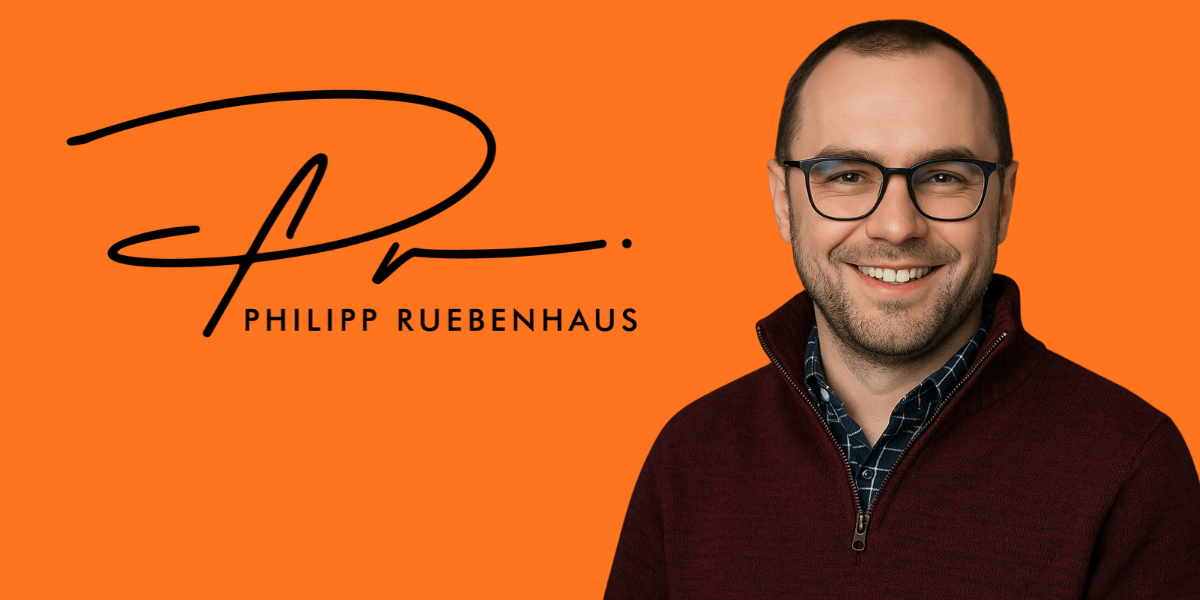
Philipp Ruebenhaus integrates innovation, personal branding, and coaching to help professionals clarify goals and make deliberate career and business decisions.
Professional success often begins with a clear goal. A new position, a meaningful project, or the opportunity to develop a business can provide direction and motivation. Yet as responsibilities grow and circumstances change, the definition of success can shift. What once felt like the right career path may no longer reflect a person's ambitions, interests, or priorities.
For professionals facing this transition, the challenge is not simply finding another opportunity. It is understanding what they want from the next stage of their working lives and determining how to move toward it.
Philipp Ruebenhaus explores these questions through his work in coaching, personal branding, and business development. Combining his professional background in innovation with an interest in personal growth, he focuses on helping professionals and independent entrepreneurs examine their goals and approach decisions with greater clarity.
Ruebenhaus presents a coaching approach that brings together reflection, strategic thinking, and purposeful action. His work recognizes that meaningful career development involves more than acquiring skills or pursuing promotions. It also requires understanding personal strengths, identifying priorities, and communicating professional value effectively.
This perspective is particularly relevant in a working environment where professional paths are rarely straightforward. People may need to adapt to changing responsibilities, reconsider their ambitions, or find ways to balance established careers with entrepreneurial interests. Having a clearer understanding of their direction can help them evaluate these choices more deliberately.
Connecting Innovation With Personal Growth
Innovation requires curiosity, a willingness to question assumptions, and the ability to evaluate different possibilities. These principles also apply to career development, where familiar approaches do not always produce the results people expect.
Ruebenhaus's professional experience in innovation provides a perspective that connects business thinking with individual growth. His work reflects an interest in understanding challenges, examining alternatives, and identifying practical ways forward.
In business, an idea must be assessed before it can become a workable solution. The same principle applies when professionals consider their next steps. A person who feels dissatisfied at work, for example, may assume that changing employers is the only solution. However, the underlying issue could involve unclear responsibilities, limited opportunities to use existing strengths, or uncertainty about long term ambitions.
Identifying the real challenge can help clarify which options deserve consideration. It may reveal a need for new skills, a different working environment, stronger professional communication, or a more defined set of goals.
This emphasis on thoughtful decision making is an important part of the coaching perspective Ruebenhaus brings to his work. Instead of treating every difficulty as a problem that requires an immediate answer, the process begins by examining the circumstances and asking more precise questions.
That distinction matters because a quick decision does not always address the underlying concern. Taking time to understand a situation can help people avoid pursuing changes that do not align with their actual needs.
Making Personal Branding More Meaningful
In a competitive professional environment, qualifications alone may not communicate the full value a person offers. Employers, clients, and collaborators also need to understand what distinguishes someone from others with similar experience.
Personal branding helps address this challenge. However, an effective professional identity requires more than an attractive profile, a polished biography, or a consistent online presence. It begins with a clear understanding of one's strengths, experience, values, and goals.
Ruebenhaus connects personal branding with coaching to address both the internal and external sides of professional development. People need to understand their value before they can communicate it convincingly.
For independent professionals and solopreneurs, this clarity can influence how they describe their services, identify their ideal clients, and explain the value of their work. When their message is unclear, potential customers may struggle to understand what they offer or why it matters. A more focused professional identity can make that communication easier.
For employees, personal branding can help them explain their contributions, communicate their expertise, and identify opportunities that align with their ambitions. It can also encourage them to consider whether their current professional image reflects the work they want to pursue.
Importantly, personal branding should not mean creating an artificial image. Its value comes from presenting genuine strengths and relevant experience in a way that others can understand. When professional communication reflects a person's actual capabilities and direction, it provides a stronger foundation for building credibility.
Through his combined interest in personal branding and personal development, Ruebenhaus brings attention to the relationship between self understanding and external communication.
Moving From Uncertainty to Practical Decisions
Uncertainty is a familiar part of professional life. People may question whether they are ready for a new responsibility, whether an independent business is the right next step, or whether their current work continues to support their long term goals.
These questions can become difficult when several priorities compete for attention. Professional responsibilities, financial considerations, personal commitments, and future ambitions may all influence a decision.
A structured approach can help make these choices more manageable. Rather than attempting to resolve everything at once, individuals can identify the most important question, examine the available options, and determine which next step is realistic.
For example, someone considering a business venture may benefit from defining the problem their service addresses, understanding the audience they intend to reach, and evaluating how the venture fits their current responsibilities. Similarly, a professional considering a career change can examine which aspects of their present role remain valuable and which areas require a different direction.
Ruebenhaus's coaching focus on career development and business guidance relates to these practical concerns. The aim is to help people think more clearly about their circumstances and approach decisions with a better understanding of their priorities.
Coaching does not remove every risk or guarantee a particular outcome. Instead, it can provide an opportunity to examine assumptions, consider alternatives, and develop a more deliberate approach to action.
For people navigating transitions, that process can be valuable in itself. A clear next step may be more useful than an ambitious plan that does not account for real circumstances.
Supporting Professionals and Independent Entrepreneurs
Career development can look different depending on a person's working environment. An employee may want to communicate their expertise more effectively, prepare for a new role, or identify a direction that better reflects their interests. An independent entrepreneur may need to clarify a business concept, strengthen their personal brand, or determine which activities deserve the most attention.
Although these situations differ, both involve questions about direction, value, and decision making.
Ruebenhaus's interests span personal branding, career development, and business coaching. This combination creates a broad framework for examining professional challenges without assuming that every person needs the same solution.
For employees, the process may involve identifying strengths, reviewing professional goals, and considering how to communicate experience more effectively. For solopreneurs, it may involve defining their positioning, understanding their audience, and aligning business activities with their intended objectives.
The common thread is the importance of making decisions with greater awareness. Professional growth is not always about adding more responsibilities or pursuing every available opportunity. Sometimes, it means identifying the work that matters most and directing attention toward it.
This approach also recognizes that professional development is an ongoing process. Goals can change as people gain experience, encounter new opportunities, and develop a clearer understanding of what they want from their working lives.
Redefining What Professional Progress Means
Career growth is often measured through visible milestones, including promotions, expanded responsibilities, business launches, and professional recognition. These achievements can be meaningful, but they do not always tell the whole story.
A person may advance professionally while becoming less connected to their original ambitions. Another may remain in the same position while developing valuable skills, improving their communication, or gaining a clearer sense of direction.
A more thoughtful view of progress considers both external achievements and personal priorities. It asks whether professional decisions support the life and career a person wants to build, rather than simply matching expectations set by others.
Ruebenhaus's combination of innovation experience and coaching offers a perspective on this relationship. His work encourages professionals to examine their goals, understand their strengths, and consider how their decisions contribute to their broader direction.
This does not mean abandoning ambition or avoiding difficult choices. Instead, it involves defining ambition more carefully and connecting it to realistic actions.
For professionals and entrepreneurs alike, that distinction can help bring greater purpose to the process of building a career or business.
Explore Philipp Ruebenhaus's Coaching Services
Readers interested in his work can explore the services, mentoring opportunities, and professional resources available through itscoachphil.com, LinkedIn, Instagram, and TikTok. Those considering coaching can use the information to understand his approach and determine whether it aligns with their current professional goals.
His work brings innovation and personal development into the same conversation, encouraging people to question assumptions, recognize their strengths, and make more deliberate choices about their professional futures.

NY Review Contributor
Covers business, entrepreneurship, and innovation, with an interest in the stories behind founders and growing companies.
This article features partner, contributor, or branded content from a third party. Members of the NY Review editorial staff were not involved in the creation of this content. All views and opinions are those of the contributor alone.
You May Also Like

Oklahoma City Technologist Daniel Mueller Is an Elite and Competitive Hacker

Ahriana Platten Rewrites Sacred Menopause

Where AI Meets Finance: David Villalobos

Erawan Thai Cuisine Redefines Bayside Thai Dining

Ghina Makari Cane Introduces Let’s Learn Numbers and Counting with Tractors, Diggers and Trucks