FIFA Confirms U.S. as Co-Host of 2031 Women’s World Cup
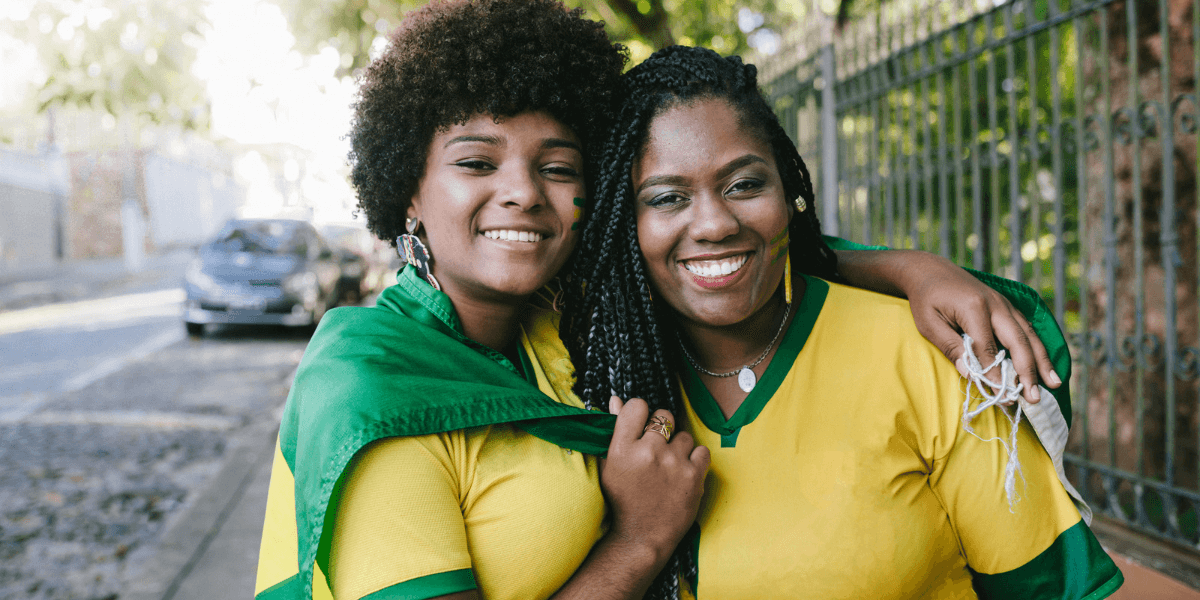
The 2031 Women’s World Cup will bring expanded international competition to North America, creating new opportunities for soccer fans and host communities.
2031 Women’s World Cup Set to Bring New Soccer Opportunities to the United States
The announcement of a major international soccer tournament has placed the United States at the center of women's sports once again. On November 23, 2026, FIFA confirmed that the United States will join Mexico, Costa Rica, and Jamaica in hosting the 2031 FIFA Women's World Cup. The decision marks an important development for women's soccer and signals another significant opportunity for the sport to reach audiences across North America.
The announcement also confirms a historic change in the tournament's scale. The 2031 competition will feature 48 national teams, making it the first edition of the Women's World Cup to use the expanded format. For supporters, players, and communities interested in the growth of women's soccer, the decision represents a major step in the tournament's development.
A Historic Four Nation Hosting Decision
FIFA awarded the tournament following a virtual Extraordinary FIFA Congress held on November 23 in Zurich, Switzerland. Member associations approved the four nation hosting arrangement by acclamation after the participating federations completed the bidding process.
The decision also confirmed the United Kingdom as host of the 2035 Women's World Cup, with England, Northern Ireland, Scotland, and Wales sharing hosting responsibilities.
The 2031 selection represents a significant development in the history of the competition. It will be the first Women's World Cup hosted across four countries and the first to include 48 national teams. The decision also reflects the growing international reach of women's soccer and the willingness of governing bodies to explore larger tournament formats.
A Bigger Tournament With More Teams
The expanded competition will feature 48 teams and 104 matches, increasing the tournament from its previous 32 team format. This change creates additional opportunities for national teams to qualify and compete on the international stage.
The expansion is particularly important for countries whose women's national teams have historically faced challenges in reaching the final tournament. More places in the competition could allow additional footballing nations to gain experience against established teams. It also gives supporters more opportunities to follow their national teams in one of the sport's most prominent international events.
The expansion follows the broader development of the Women's World Cup over several decades. The inaugural tournament in 1991 featured just 12 teams. FIFA subsequently increased participation to 16 teams in 1999 and 24 in 2015 before introducing the 32 team format in 2023. The move to 48 teams in 2031 represents another major change in the competition's structure.
The United States Returns as a Women's World Cup Host
The United States has a long history with the tournament. It previously hosted the Women's World Cup in 1999 and 2003, establishing an important foundation for the development of women's soccer in the country.
The 1999 edition remains particularly memorable for its impact on American sports culture. The final between the United States and China attracted widespread attention, with the American team winning the championship in a penalty shootout at the Rose Bowl in Pasadena, California. The event helped introduce women's soccer to a broader television audience and strengthened public interest in the national team.
The 2003 competition further established the country's experience in organizing major international women's soccer events. Now, the 2031 tournament will provide another opportunity to build on that history while working with three regional partners.
The United States Soccer Federation described the selection as an opportunity to expand participation, improve player development, and strengthen coaching pathways. Its November 23 announcement also confirmed that the tournament will include 104 matches. Further details about host cities, stadiums, ticket sales, and match schedules have not yet been announced.
A Regional Partnership With Wider Significance
The selection of Mexico, Costa Rica, and Jamaica alongside the United States gives the tournament a broader regional identity. Each country brings a different soccer tradition, supporter base, and sporting environment to the partnership.
For Mexico, hosting the competition offers an opportunity to expand the visibility of women's soccer and strengthen its existing football culture. Costa Rica and Jamaica will also gain the chance to introduce more international supporters to their sporting communities.
Importantly, the tournament will be the first senior FIFA Women's World Cup hosted by Mexico, Costa Rica, and Jamaica. The United States, meanwhile, will become a three time host.
The four participating football federations will need to coordinate stadium preparations, transportation, accommodation, security, and tournament operations. Such cooperation will be essential to delivering a competition that can accommodate teams, officials, journalists, and supporters traveling across several countries.
The partnership also aims to support longer term development through girls' player development, coaching education, and infrastructure investment.
What the Announcement Means for Soccer Fans
For American soccer supporters, the announcement provides an opportunity to look ahead to another major international competition on home soil. It also creates a longer planning period for communities interested in hosting matches, supporting visiting teams, and participating in related sporting activities.
However, several important details remain outstanding. FIFA and the participating federations have yet to announce the final host cities, stadium assignments, match dates, and ticketing arrangements. Supporters should therefore rely on official announcements rather than unofficial schedules or unconfirmed ticket information.
The expanded format will also require careful tournament planning. With 104 matches involving 48 national teams, organizers will need to ensure that facilities and transportation arrangements can support a significantly larger competition.
The announcement does not establish which countries will qualify or determine the eventual tournament champion. Those outcomes will depend on future qualification competitions and performances on the field.
A Significant Chapter in Women's Soccer
The November 23 decision is more than a hosting announcement. It establishes the framework for the largest Women's World Cup yet and brings four countries together around a shared international sporting event.
For the United States, the tournament represents a return to a familiar stage and another opportunity to build on its history in women's soccer. For Mexico, Costa Rica, and Jamaica, it creates an opportunity to participate in hosting one of football's most important competitions for the first time.
The most important measure of the tournament's success will extend beyond its size. Its lasting significance will depend on how effectively the participating countries use the event to encourage participation, develop talent, improve sporting facilities, and make women's soccer more accessible to future generations.
With five years remaining before the competition, the next phase will involve detailed planning and coordination among FIFA and the four host federations. For supporters across North America, November 23, 2026, marks the beginning of an important new chapter in the international growth of women's soccer.

NY Review Contributor
Covers sport and entertainment in New York, from the arenas to the stages.
This article features partner, contributor, or branded content from a third party. Members of the NY Review editorial staff were not involved in the creation of this content. All views and opinions are those of the contributor alone.
You May Also Like

U.S. Retailers Prepare for a Record Black Friday Season

Nia Simms Hall: The Courage To Keep Choosing Self Love

Piera Maria Fromm and the Upgrade of Unlearning

GTA 6 Leads 2026 Game Awards With Eight Nominations

SpaceX Makes History With First Starship Recovery