
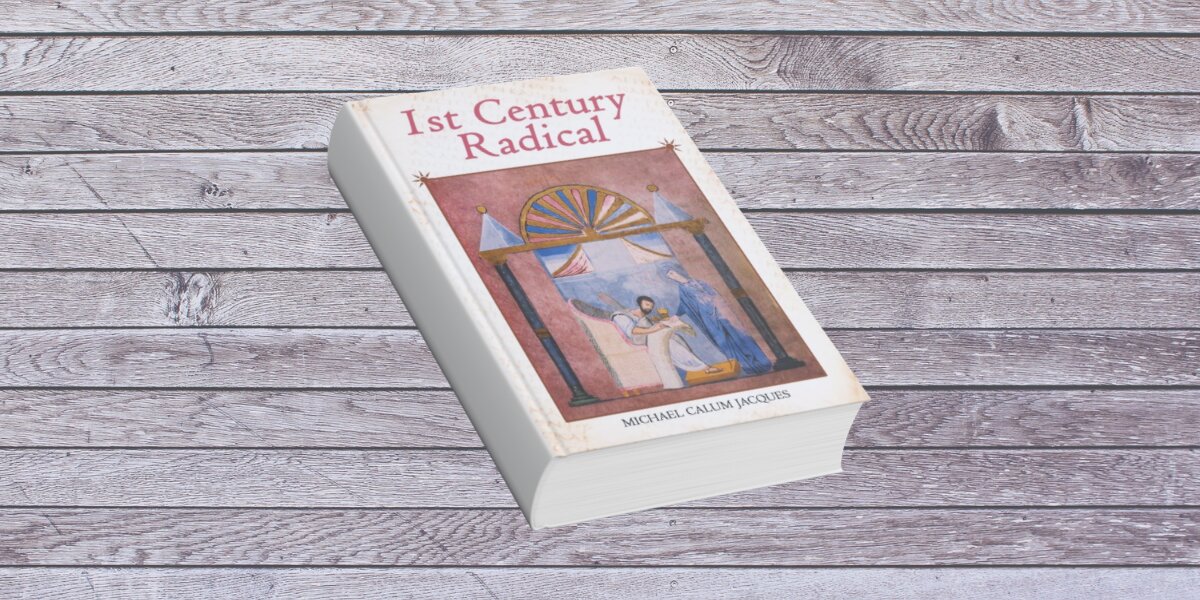
Michael Calum Jacques, described as “The man who identified Jesus”, examines the divergence between the church’s Jesus and the historical Galilean in 1st Century Radical; the shadowy origins of the man who became known as Jesus Christ.
Michael Calum Jacques explores the distinction between the traditional image of Jesus and the figure who emerges from the earliest first-century sources in his book 1st Century Radical. His work focuses on examining all primary manuscripts to better understand the historical and political climate of the time; the cultural backdrop which nurtured the emergence of the original Galilean radical.
The question at the center of Jacques’s research is straightforward: how closely does the commonly presented image of Jesus align with what can be inferred from the earliest available sources? Rather than approaching the subject from a doctrinal perspective, Jacques concentrates on historical methodology. His goal is not to challenge belief, but to examine how historical interpretation and later tradition may differ from the earliest records.
Jacques brings an academic background to this exploration. A former Director of the Diana, Princess of Wales, ISC, he also conducted original research at the Universities of St Andrews and Oxford. His experience in working with primary materials shaped his decision to focus exclusively on the oldest surviving sources related to first-century Galilee. This research formed the foundation of 1st Century Radical, first published in 2008, and recently republished by Maple.
Examining Historical Context
A central theme in Jacques’s work is the importance of historical setting. First-century Galilee was not an isolated or tranquil environment. It was a region shaped by Roman governance, local political tensions, economic pressures, and diverse religious movements. Any historical figure from that period would have been influenced by these conditions.
Jacques suggests that understanding this context helps modern readers form a clearer picture of the historical individual. Over centuries, theological interpretation, artistic representation, and devotional literature have contributed to a widely recognized portrayal of Jesus. While meaningful to many, this portrayal is often presented without detailed reference to the social and political realities of the era.

By contrast, 1st Century Radical attempts to situate Jesus within the documented circumstances of his time. This approach emphasizes geography, governance, social divisions, and the cultural environment of Roman-occupied Palestine. Rather than relying on later commentary or opinion, Jacques limits his analysis to early source material and what can reasonably be inferred from it.
A Source-Based Method
What distinguishes Jacques’s approach is this reliance on primary evidence. He states that his analysis is based exclusively on the oldest and original sources available. By establishing clear methodological boundaries, he avoids building conclusions on later traditions or interpretations that developed centuries afterward.
This method has drawn attention from readers interested in historical inquiry. Inspector Morse author, Colin Dexter, described Jacques as “The man who identified Jesus,” a comment reflecting Jacques’s effort to isolate the historical figure from layers of subsequent interpretation. Reviews, including coverage in The Table Read Magazine, have characterized the book as a focused historical reexamination rather than a theological argument.
Interviews available on public platforms further outline Jacques’s reasoning process. In these discussions, he explains how he evaluates textual sources and why he believes detailed context is essential when examining figures from antiquity.
Relevance for Contemporary Readers
Interest in historical analysis continues to grow in an era where information is widely accessible. Modern readers often expect transparency in sourcing and clarity in argumentation. Jacques’s emphasis on early materials and historical grounding reflects this expectation.
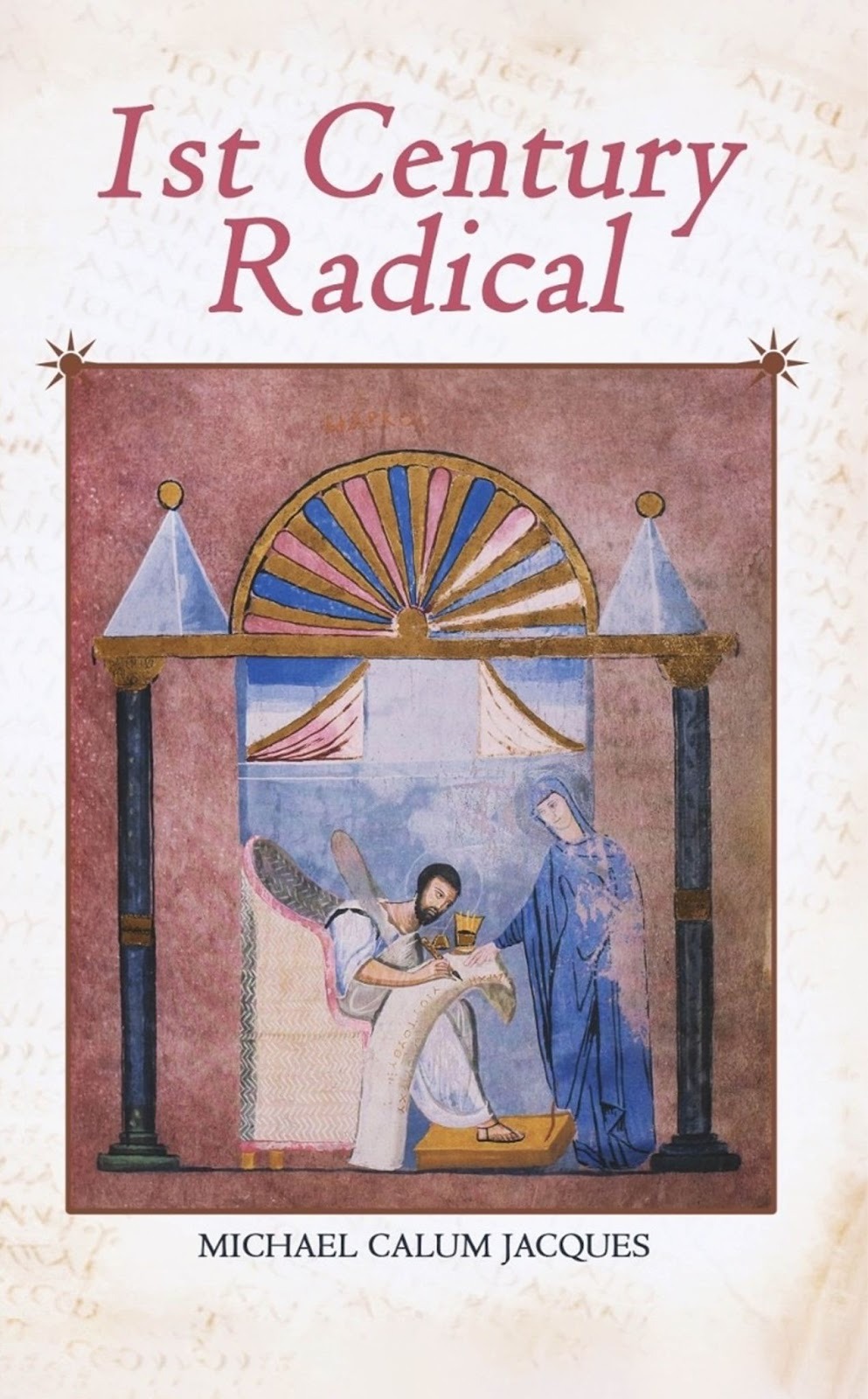
By placing Jesus within the political and social realities of first-century Galilee, Jacques aims to provide a portrait that is historically coherent. This does not seek to diminish religious significance, but rather to clarify the distinction between historical reconstruction and later interpretive tradition. For readers who value documentary evidence and contextual study, this framework offers a structured approach.
The broader conversation surrounding historical figures frequently involves questions about how narratives evolve. Over time, communities interpret events in ways that reflect theological, cultural, or artistic priorities. Jacques’s contribution lies in separating these later developments from what can be supported by the earliest records.
Continuing the Discussion
Michael Calum Jacques continues to share information about his research through his official website and professional platforms. These channels provide background on 1st Century Radical, details about its publication history, and further discussion of its methodology.
LinkedIn
Facebook
Feature Article – The Table Read Magazine
Interview (YouTube)
Through these platforms, Jacques outlines his methodology, publication history, and ongoing engagement with historical research. 1st Century Radical remains focused on examining early source material and presenting a historically contextualized perspective for readers interested in first-century studies.