Lower Manhattan’s Skyline Rises Again as New York Navigates Growth, Safety, and Cultural Momentum
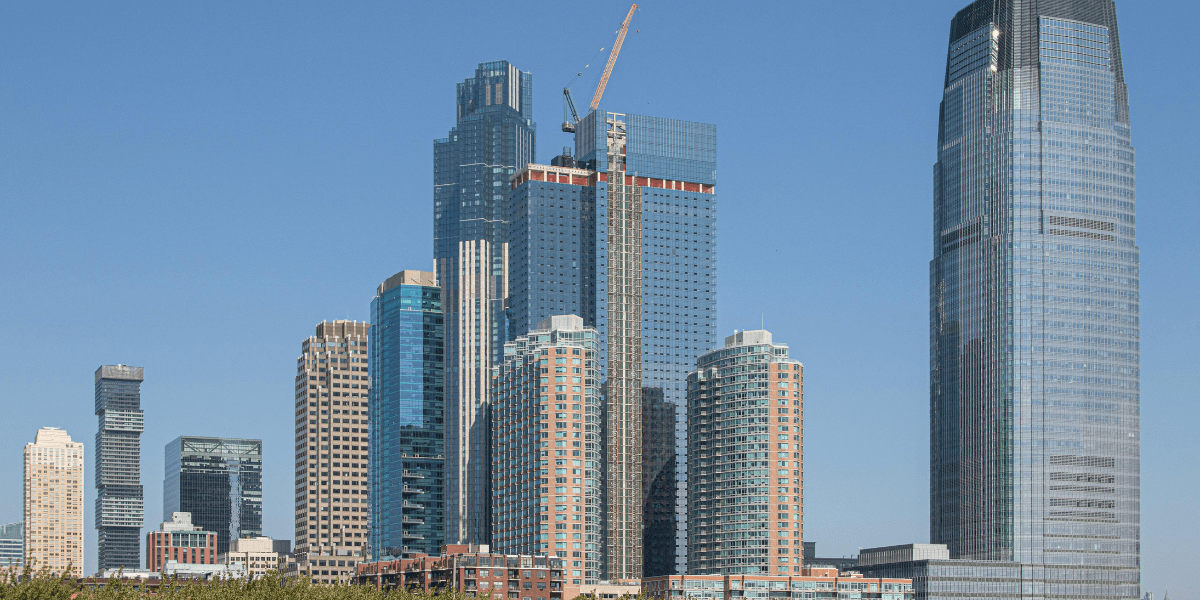
New York City entered March with renewed momentum across business development, housing policy, public safety preparedness, and cultural programming, reflecting broader national trends shaping urban life in 2026. From a major construction milestone in Lower Manhattan to ongoing debates over affordability and neighborhood change, the first week of the month underscores the city’s evolving economic and civic landscape.
A Defining Moment for Lower Manhattan
One of the most significant developments is the long-anticipated restart of construction at 2 World Trade Center. The project, part of the original World Trade Center master plan, is moving forward after securing a major corporate tenant that will anchor the 55-story office tower. Once completed, the building is expected to house thousands of employees, reinforcing Lower Manhattan’s standing as a global financial and business hub.
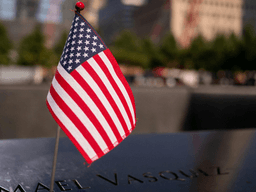
The restart carries both economic and symbolic weight. The World Trade Center site has undergone decades of rebuilding following the September 11 attacks, weathering additional challenges from the 2008 financial crisis and the COVID-19 pandemic. Completing the final commercial tower signals long-term confidence in Manhattan’s office market at a time when many U.S. cities continue adjusting to hybrid work patterns.
City officials and business leaders view the development as a boost for local employment, transit usage, and small businesses that depend on a strong weekday workforce. For residents and commuters alike, the project represents another chapter in Lower Manhattan’s transformation from a primarily financial district into a diversified neighborhood with residential, retail, and cultural components.
Housing Policy and Affordability Pressures
At the same time, housing remains one of New York’s most pressing challenges. Recent zoning reforms under the “City of Yes for Housing Opportunity” initiative have aimed to ease restrictions on residential conversions and encourage new construction in areas previously limited by outdated regulations. The policy changes are designed to expand housing supply, particularly by converting underused office and commercial buildings into apartments.
While many urban planners have praised the reforms as necessary steps to address the city’s housing shortage, community groups continue to debate the pace and nature of development. In some Manhattan neighborhoods, older rent-regulated or income-restricted buildings are being replaced by higher-end residential projects, raising concerns about displacement and long-term affordability.
Balancing growth with equity remains central to the city’s strategy. Policymakers face the ongoing challenge of stimulating development while protecting vulnerable tenants and preserving mixed-income communities. As rents remain elevated across the five boroughs, housing policy is likely to remain a defining issue throughout 2026.
Heightened Public Safety Awareness
Public safety agencies in New York have also increased vigilance in recent days following international developments that prompted precautionary security measures in major U.S. cities. The New York Police Department reported enhanced patrols near transit hubs, cultural institutions, and diplomatic sites as part of routine readiness procedures.
Officials have emphasized that these steps are precautionary and not linked to any specific threat. Nevertheless, the response highlights how global events can influence domestic security planning, particularly in a city as internationally connected as New York. Maintaining visible security while avoiding disruption to daily life remains a delicate balance for city authorities.
National Trends in Business and Culture
Beyond New York, broader national trends are shaping the economic and cultural climate. Across the United States, corporate investment in urban centers appears cautiously optimistic, even as office markets continue to adjust to flexible work models. Major metropolitan areas are competing to attract employers with modernized infrastructure and transit access.
Meanwhile, the entertainment industry enters a busy spring season, with new streaming series, film releases, and live events drawing audiences back to theaters and performance venues. Cultural institutions in New York and other major cities are reporting steady attendance gains compared to previous years, suggesting a sustained rebound in in-person arts engagement.
In sports, March marks the ramp-up to key collegiate tournaments and the continuation of professional league seasons, generating economic activity in host cities and heightened national viewership. Sporting events remain an important driver of tourism, media revenue, and community engagement.
Civic Services and Community Investment
On the municipal level, New York City agencies are preparing for seasonal programming and infrastructure improvements. Park renovations, school enrichment programs, and neighborhood capital projects continue across the boroughs, reflecting long-term investment in public amenities.
Efforts to modernize public spaces, through park redesigns, pedestrian safety upgrades, and transit improvements, illustrate the city’s attempt to enhance quality of life alongside economic expansion. These initiatives, while less headline-grabbing than skyscraper construction, shape everyday experiences for millions of residents.
The Road Ahead
As March begins, New York City stands at an intersection of renewal and recalibration. The resurgence of high-profile construction projects signals confidence in the city’s economic future, while debates over housing and affordability underscore ongoing structural challenges. Public safety preparedness and cultural vibrancy further define the moment, linking local developments to national dynamics.
For readers following both city and national affairs, the current landscape offers a snapshot of an urban center adapting to change, economically ambitious, socially complex, and globally connected.

NY Review Contributor
Covers New York and national affairs, from City Hall to the neighbourhoods the decisions land in.
This article features partner, contributor, or branded content from a third party. Members of the NY Review editorial staff were not involved in the creation of this content. All views and opinions are those of the contributor alone.
You May Also Like

Leading with Humanity and Kindness in Human Resources
America Marks 25 Years Since September 11 With Remembrance and Service

Ralph Lauren Opens New York Fashion Week With Spring 2027 Runway Show in Manhattan

Tortoise's Journey By Mike Walker Inspires

Labor Day 2026 Gives U.S. Retailers a Final Summer Sales Push