Zach Randles-Friedman Is Turning Queer Podcasting Into A Space For Being Seen
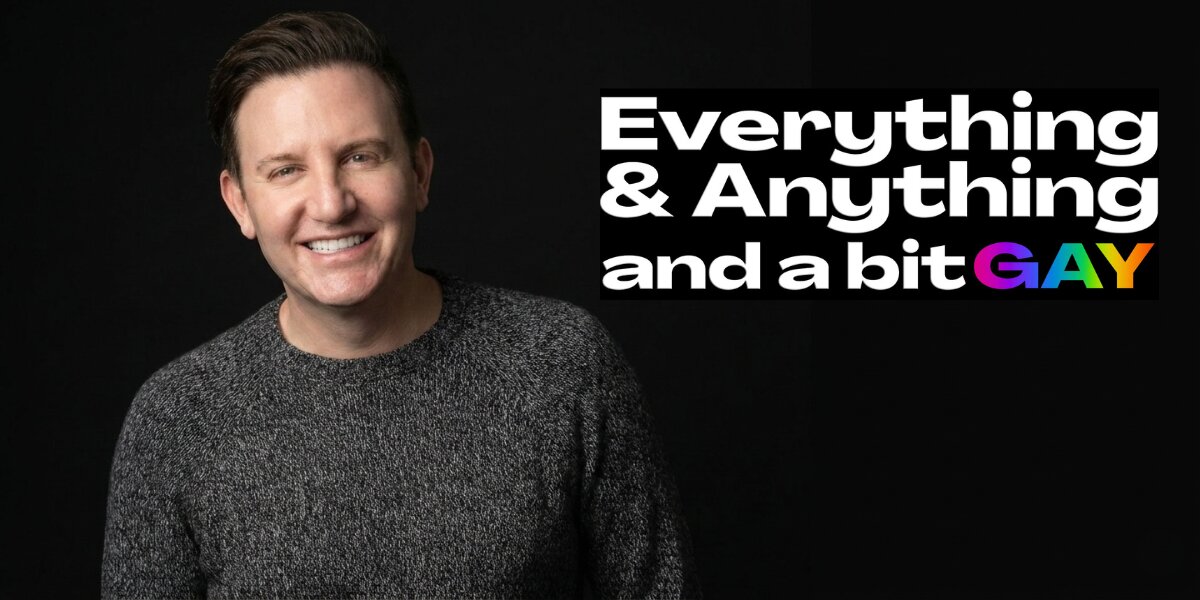
Zach Randles-Friedman uses honest conversation, humor, and empathy to create podcasts that make LGBTQ plus stories feel personal, human, and connected.
In a digital media environment often shaped by short clips, quick reactions, and polished talking points, Zach Randles-Friedman has taken a more conversational approach. His podcasting work centers on thoughtful dialogue, personal stories, and the value of giving guests enough room to speak openly.
Through Everything and Anything and a Bit Gay and Listen Up Girl, Randles-Friedman has created podcast spaces where LGBTQ plus stories can unfold with warmth, humor, and emotional honesty. Listeners can explore his work through the official Everything and Anything podcast website at Everything Podcast, along with additional platforms connected through Linktree.
Rather than reducing guests to labels or simple narratives, his shows allow conversations to move naturally across identity, relationships, creativity, work, culture, and everyday life. His approach reflects a broader shift in queer podcast storytelling. Visibility remains important, but his work also focuses on connection. The result is podcasting that feels less like a formal interview and more like an open conversation.
Creating Space Before Creating Content
For many listeners, the appeal of Randles-Friedman’s podcasts begins with tone. His conversations feel relaxed, approachable, and personal without becoming overly scripted. Guests are not pushed toward one specific message or expected to represent an entire community.
Instead, Randles-Friedman approaches each episode with curiosity. He gives guests space to share experiences at their own pace, whether they are discussing meaningful life moments, creative work, personal growth, or lighter stories that reveal personality and humor.
That openness gives his podcasts a human quality. A conversation may begin casually and then move into deeper reflection. Another may stay playful while still offering insight into how someone sees the world. This natural rhythm helps make his work accessible to listeners who are looking for stories that feel genuine rather than overly produced.
Episodes of Everything and Anything and a Bit Gay are available on Spotify, giving audiences another way to follow the conversations and engage with the podcast’s ongoing storytelling.
Looking Beyond Representation Alone
Representation is an important part of LGBTQ plus media, but Randles-Friedman’s work shows that the way stories are told matters just as much as the presence of those stories.
In mainstream coverage, LGBTQ plus experiences are often framed through familiar themes such as coming out, acceptance, struggle, and resilience. These remain meaningful parts of many people’s lives, but they are not the only stories worth telling. Randles-Friedman makes room for broader and more varied conversations, including friendship, ambition, creativity, uncertainty, humor, reinvention, and everyday joy.
This broader lens helps his podcasts feel more complete. Guests are allowed to be specific and complex. Their identities are part of the conversation, but they are not treated as the only thing that defines them.
That distinction matters because queer audiences are not all the same. Listeners come from different backgrounds, generations, cultures, professions, and personal experiences. By allowing each conversation to develop naturally, Randles-Friedman creates room for that variety without forcing it into one simple message.
His work reflects the idea that queer life is not a single story. It is made up of many voices, perspectives, and lived experiences.
The Value Of Listening Well
One of the defining qualities of Randles-Friedman’s hosting style is his willingness to listen. In podcasting, listening can be just as important as asking strong questions. It shapes the pace of the conversation and allows guests to move beyond prepared answers.
His style gives guests room to pause, laugh, reflect, and explore ideas in real time. That patience can create a stronger sense of trust. Instead of feeling rushed, guests have the space to explain not only what happened in their lives, but also how those moments shaped them.
In Everything and Anything and a Bit Gay, this often gives episodes an intimate and familiar quality. Identity is present, but it is not treated as a limitation. It becomes one part of a larger human story.
That balance is central to Randles-Friedman’s voice as a creator. His work shows that LGBTQ plus storytelling can be meaningful without being overly formal. It can be thoughtful while still being funny. It can be personal without feeling performative.
Expanding The Conversation
With Listen Up Girl, Randles-Friedman expands his work into broader cultural conversation. The podcast gives him room to explore how stories, media, community, and identity shape the way people understand themselves and others. Audiences can listen to Listen Up Girl on Apple Podcasts.
Together, his two podcasts show different sides of his creative approach. Everything and Anything and a Bit Gay often feels personal and conversational, while Listen Up Girl offers space for reflection on culture and shared experience.
His work also extends to video, where selected episodes and related podcast content can be found through YouTube. This gives audiences another way to connect with the tone, personalities, and conversations behind the podcasts.
This range helps position podcasting as more than entertainment. For Randles-Friedman, it becomes a way to invite conversation, encourage recognition, and build understanding among listeners.
Building A Sense Of Community
Strong podcasts often create a feeling that audiences want to return to. Randles-Friedman’s work does this by making listeners feel included in the conversation.
For LGBTQ plus listeners, hearing open and varied conversations can offer a sense of recognition. For allies and broader audiences, the podcasts can provide insight into experiences they may not have personally lived. In both cases, the value comes from the same place: honest storytelling.
His podcasts are not only about the guests who appear on them. They are also about the listeners who find meaning in those conversations. Through humor, empathy, and openness, Randles-Friedman creates a space where people can listen, reflect, and feel less alone.
At a time when many audiences are looking for media that feels more thoughtful and human, his work offers a clear example of how podcasting can support connection. By choosing conversation over spectacle and empathy over performance, Zach Randles-Friedman is helping shape a podcasting space where LGBTQ plus stories can be heard with depth, care, and authenticity.

NY Review Contributor
Covers sport and entertainment in New York, from the arenas to the stages.
This article features partner, contributor, or branded content from a third party. Members of the NY Review editorial staff were not involved in the creation of this content. All views and opinions are those of the contributor alone.
You May Also Like

FAA Communications Outage Disrupts Thousands Of Flights Across New York And The Northeast
Anthony Keven Keane Earns Bestseller And Book Award Recognition For Forgiveness For Change
Joe Vitale Proves His “Zero Limits” Philosophy By Taking On New Challenges At Every Age

2026 New Balance Bronx 10 Mile Draws 13,000 Runners To New York City Streets

Wall Street Selloff Deepens As Treasury Yields Cross 5 Percent And Oil Prices Surge