
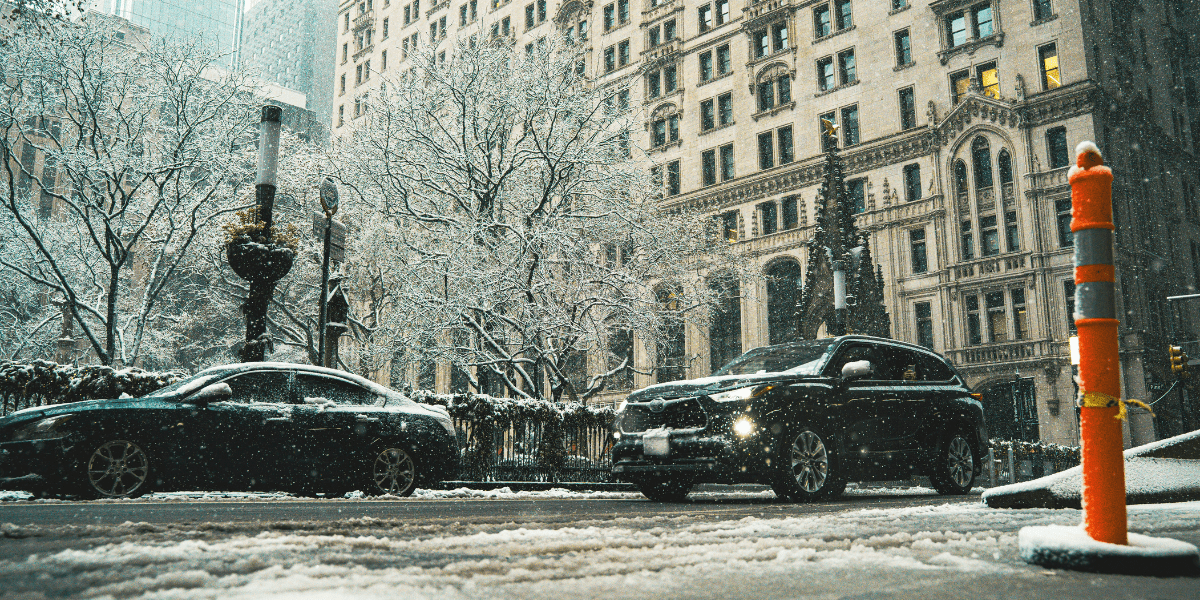
As the nation contends with the aftermath of one of the most significant winter storms in recent years, New York City and the broader Northeast remain at the center of both local and national reporting. A powerful nor’easter that swept through the region earlier this week left widespread disruption, prompting city officials to focus on recovery operations, public safety, and long-term infrastructure resilience. The storm’s effects continue to shape daily life across the five boroughs while contributing to broader national discussions about extreme weather preparedness.
Historic Snowfall and Ongoing Recovery
New York City recorded nearly two feet of snow in parts of the city, with Central Park approaching 20 inches, making it one of the most substantial snowfalls in the past decade. Airports including LaGuardia and JFK reported heavy accumulations that temporarily disrupted flights, while commuter rail lines and subway services operated on modified schedules during peak impact.
Sanitation crews have worked around the clock to clear streets and restore normal traffic flow. While travel advisories have been lifted, city officials caution that icy conditions and narrowed roadways remain a concern, particularly in residential neighborhoods. Emergency management agencies continue to monitor vulnerable populations, especially unhoused individuals and elderly residents, as overnight temperatures remain below freezing.
Public schools reopened after brief closures, and municipal agencies are conducting damage assessments on public facilities, parks, and transit infrastructure. Officials emphasized that while the city’s snow response systems have improved in recent years, the storm exposed areas where additional investment in equipment and coordination may be necessary.
Public Safety and Community Response
During the storm’s peak, emergency services responded to hundreds of weather-related incidents, including vehicle collisions, power outages, and medical emergencies. Tragically, authorities are investigating at least one cold-related fatality discovered in Manhattan following the storm. Officials have urged residents to check on neighbors and follow winter safety guidelines, particularly as melting snow and refreezing create hazardous sidewalks.
Despite the disruption, many New Yorkers embraced the storm as a shared civic moment. Parks across the boroughs became gathering spaces for families and neighbors building snow sculptures and sledding. Social media featured scenes of elaborate creations and community clean-up efforts, reflecting the city’s characteristic resilience and sense of humor even amid challenging conditions.
However, not all incidents were lighthearted. Local law enforcement reported several disputes stemming from snow removal conflicts and blocked driveways, common tensions during heavy winter weather. Authorities reminded residents to follow local regulations regarding snow clearing and to avoid confrontations.
Broader National Context
Beyond New York, the nor’easter affected multiple states across the Northeast, with heavy snowfall and strong winds reported from Pennsylvania to New England. Governors in several states activated emergency response measures and coordinated with federal agencies to manage recovery efforts.
The storm has also reignited national discussions about climate variability and infrastructure readiness. While overall winter seasons in many U.S. cities have grown shorter over the decades, meteorologists note that intense storms can still occur when atmospheric conditions align. Urban planners and policymakers are increasingly examining how cities can better adapt to both extreme cold events and other climate-related challenges.
Transportation networks, energy grids, and emergency communication systems remain under review as part of broader resilience planning. In major metropolitan areas like New York, where millions rely on public transit and dense housing, winter storms test the limits of operational capacity.
Economic and Business Impact
Local businesses, particularly small retailers and restaurants, experienced temporary closures during the storm’s height. However, many have since reopened, aided by improving road conditions and pent-up consumer demand. Delivery services and grocery stores saw increased activity leading up to the snowfall, as residents prepared for potential disruptions.
Economists note that while short-term productivity can decline during severe weather events, recovery spending and resumed activity often offset immediate losses. The larger concern for businesses lies in repeated disruptions and the costs associated with snow removal, insurance claims, and infrastructure repairs.
Key Takeaways
As of February 28, 2026, New York City is firmly in recovery mode following one of its most substantial winter storms in recent memory. The event underscores the importance of coordinated emergency response, community vigilance, and continued investment in resilient infrastructure.
For residents, the storm serves as a reminder of both vulnerability and strength, how quickly urban systems can be tested, and how communities adapt in response. Nationally, the nor’easter contributes to ongoing conversations about climate patterns, preparedness strategies, and the evolving demands placed on cities facing increasingly complex weather dynamics.