The U.S. entertainment industry is experiencing a broadly positive period marked by steady audience engagement across multiple platforms. From movie theaters showing consistent attendance to streaming services expanding original programming, and from live concerts to the continued growth of gaming culture, the sector is demonstrating resilience and adaptability in a rapidly changing media landscape. Rather than relying on a single dominant format, audiences are increasingly distributing their attention across a wide range of entertainment experiences.
Film Industry Sees Steady Theatrical Engagement
Movie theaters continue to show encouraging signs of stability as audiences return for a mix of large-scale blockbusters, animated family films, and original mid-budget productions. Rather than sharp peaks followed by declines, recent box office patterns suggest a more balanced performance curve, where films maintain momentum over several weeks based on audience recommendations and critical reception.
A key factor in this recovery is the diversification of film offerings. Franchise titles remain important drivers of revenue, but original storytelling has also carved out a reliable space in theaters. Studios are increasingly balancing spectacle-driven releases with character-focused narratives, giving audiences a broader selection than in previous years.
The theatrical experience itself continues to be a major draw. Premium formats such as IMAX and enhanced sound systems are helping differentiate cinema from home viewing, encouraging audiences to treat certain films as “event experiences” rather than routine entertainment.
Streaming Platforms Compete Through Quality and Variety
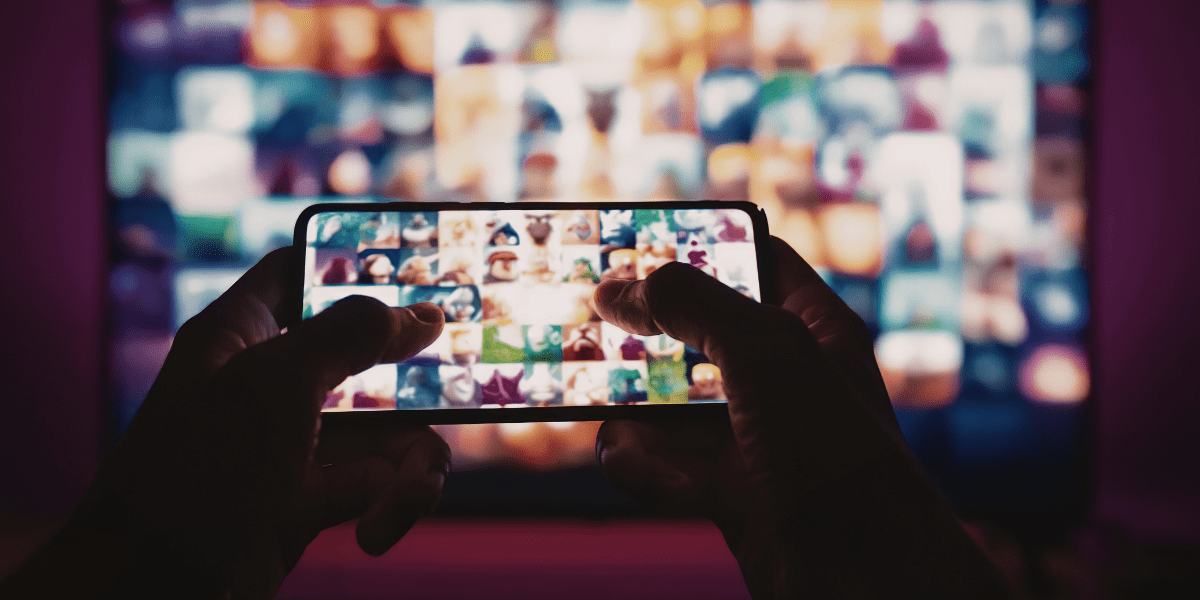
Streaming services remain central to how audiences consume entertainment, with competition driving an ongoing surge in original content production. Platforms are increasingly focused on quality over sheer volume, prioritizing series that can sustain long-term engagement rather than short-lived releases.
One notable trend is the rise of limited series and tightly structured seasons. These formats allow for high production value while maintaining audience attention without requiring extended commitments. In addition, international content continues to play a growing role in U.S. streaming catalogs, broadening cultural influence and introducing new storytelling styles to mainstream audiences.
Another shift is the blending of genres. Many new streaming productions combine drama with science fiction, comedy with mystery, or documentary styles with narrative storytelling. This experimentation reflects an audience that is more open to hybrid formats and unconventional storytelling approaches.
Live Entertainment Continues Strong Recovery
Live entertainment remains one of the most vibrant segments of the industry. Concert tours, theater productions, and comedy performances are drawing strong attendance across major cities and regional venues alike.
Music tours, in particular, are experiencing high demand, with arena and stadium shows frequently selling out in advance. Fans are placing renewed value on in-person experiences, often viewing live performances as a complement to digital music streaming rather than a replacement.
Theater has also seen a resurgence, with both classic revivals and new productions attracting diverse audiences. Broadway and touring productions are benefiting from strong tourism and local attendance, while smaller regional theaters are gaining visibility through innovative staging and modern storytelling techniques.
Comedy tours and stand-up performances are also thriving, supported by both traditional venues and digital platforms that help comedians build and maintain audiences.
Music Industry and Cultural Festivals Expand Reach
The music industry continues to evolve through a combination of streaming dominance and live performance revenue. Artists are increasingly using digital platforms not only to distribute music but also to build direct relationships with fans through social media engagement and exclusive content releases.
At the same time, cultural festivals are playing a larger role in shaping entertainment trends. Multi-genre music festivals, film showcases, and arts events are creating immersive environments where audiences can experience a wide range of creative work in a single setting. These festivals often serve as launchpads for emerging artists and experimental projects.
Local arts scenes are also benefiting from renewed interest, with smaller venues and community events contributing to a more decentralized entertainment ecosystem. This shift allows for greater diversity in artistic expression and provides opportunities for independent creators.
Gaming and Interactive Entertainment Continue Rapid Growth
Gaming remains one of the fastest-growing segments of the entertainment industry. Modern video games increasingly blend cinematic storytelling with interactive gameplay, making them a central part of mainstream entertainment culture.
The rise of online multiplayer experiences and live-service games has transformed gaming into a continuous engagement platform rather than a one-time purchase experience. Players now participate in evolving digital worlds that receive regular updates, seasonal events, and community-driven content.
Esports continues to expand as well, with competitive gaming attracting large online audiences and live event attendance. The integration of gaming content into streaming platforms and social media has further strengthened its cultural influence, particularly among younger demographics.
Conclusion
Across film, streaming, live performance, music, and gaming, the U.S. entertainment industry is showing strong adaptability and sustained audience interest. Instead of a single dominant form of media consumption, the current landscape is defined by variety, accessibility, and cross-platform engagement. This diversification is helping the industry remain resilient while offering audiences more ways than ever to experience entertainment in both digital and live formats.