Aurora Display and Climate Week Launch Highlight April 18, 2026 Across the United States
A rare combination of space-weather activity and Earth Day–related civic programming marked the national landscape on Saturday, as Americans from the northern states to major coastal cities experienced both a striking natural light display in the night sky and the opening of a week of climate-focused events across the country.
Northern Lights Visible Across Northern U.S. States
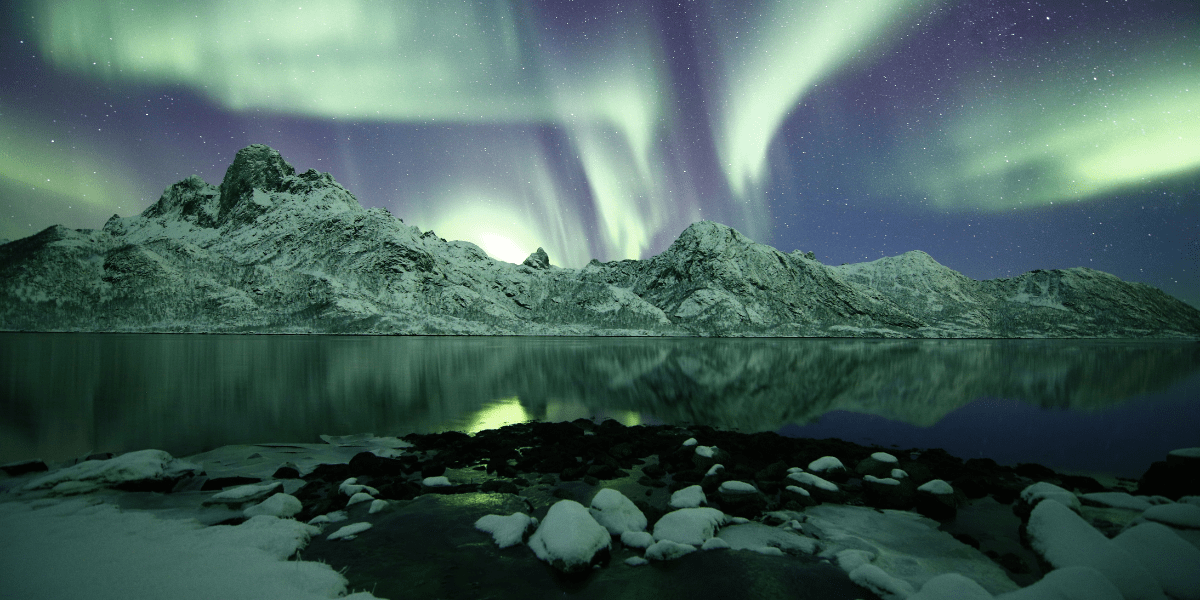
One of the most widely observed natural events of the day was a geomagnetic storm triggered by a coronal hole in the Sun’s atmosphere, which sent high-speed solar winds toward Earth. According to space weather monitoring agencies, the resulting interaction with Earth’s magnetic field produced a moderate G2-class geomagnetic storm, creating conditions for aurora borealis visibility unusually far south.
Residents across states such as Minnesota, Wisconsin, Michigan, New York, and Maine reported sightings of faint green and purple auroras throughout the early hours of April 18. In some locations, including parts of Idaho and the Pacific Northwest, skywatchers also reported brief but vivid light activity.
The phenomenon was linked to a coronal opening in the Sun’s outer layer, which allowed charged particles to escape and interact with Earth’s upper atmosphere. These interactions excite atmospheric gases, producing the characteristic glowing curtains of light known as the northern lights.
While auroras are not uncommon in high-latitude regions such as Alaska, this event stood out for its southward reach into more densely populated areas of the continental United States, driven by the intensity of the solar wind conditions and the timing of a darker lunar phase that improved visibility.
Space weather authorities noted that such events can occasionally interfere with radio communications and satellite operations, though no major disruptions were reported in connection with this storm.
Climate Week Begins in San Francisco Bay Area
On the West Coast, environmental programming took center stage as San Francisco Climate Week (April 18–26, 2026) officially began. The event brings together policymakers, scientists, educators, and community organizations for a series of workshops, outdoor activities, and public discussions focused on sustainability and climate resilience.
Events scheduled for the opening weekend included public clean-up drives, educational exhibitions, and community art installations across San Francisco, Oakland, Berkeley, and surrounding Bay Area cities. Organizers emphasized accessibility and civic engagement, with many activities designed for families and local residents.
Climate Week also aligns closely with the broader national observance of Earth Day later in April, creating a two-week window of environmental awareness campaigns across the country.
Academic and Cultural Events Mark the Day
Beyond environmental programming, several academic and cultural gatherings took place on April 18 in different parts of the United States. In California, institutions such as the Huntington Library hosted scholarly conferences addressing historical and ecological themes, including discussions on biodiversity loss and the historical relationship between Spain and early American development.
Meanwhile, in Los Angeles, the annual Festival of Books attracted large crowds, featuring author panels, live performances, and student-led literary activities. The event is one of the largest public literary gatherings in the country and is often viewed as a key cultural highlight in Southern California’s spring calendar.
Historical Context and National Reflection
April 18 also carries historical significance in the United States, marking anniversaries of major events such as the 1906 San Francisco earthquake, one of the deadliest natural disasters in American history. That earthquake, which struck early in the morning, reshaped urban planning and emergency response systems nationwide and continues to be referenced in disaster preparedness discussions today.
The date is also associated with multiple scientific and cultural milestones in U.S. history, often highlighted in educational programming and public awareness campaigns.

NY Review Contributor
Covers New York and national affairs, from City Hall to the neighbourhoods the decisions land in.
This article features partner, contributor, or branded content from a third party. Members of the NY Review editorial staff were not involved in the creation of this content. All views and opinions are those of the contributor alone.
You May Also Like

Where AI Meets Finance: David Villalobos

Erawan Thai Cuisine Redefines Bayside Thai Dining

Ghina Makari Cane Introduces Let’s Learn Numbers and Counting with Tractors, Diggers and Trucks

IT Intelligent Treatment Brings A New Vision Of Regenerative Aesthetics To New York With SomaCell®

2026 Nobel Prize In Chemistry Honors Henri Kagan And Kenso Soai For Landmark Molecular Discoveries