End of Duty-Free Shipping from China: What You Need to Know
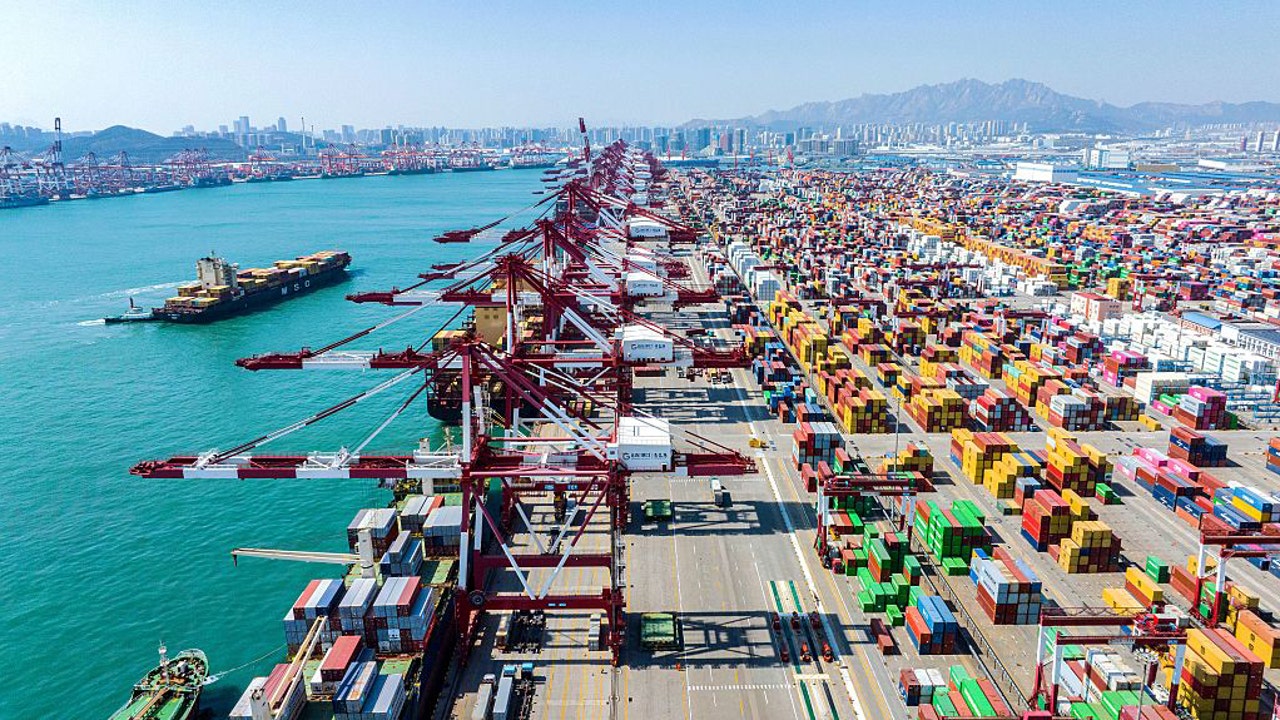
Impact of Ending Duty-Free Exemption on Low-Value Imports from China
On May 2, 2025, the Trump administration will terminate the duty-free exemption on low-value imports from China and Hong Kong. This decision follows the implementation of a significant 145% tariff on various goods from China, further escalating the ongoing trade conflict between the United States and China.
Consumer Implications
With the end of this exemption, consumers can anticipate noticeable changes in their online shopping experience. Key impacts include:
- Higher Prices: Goods will likely see increased prices due to the imposition of tariffs.
- Delivery Delays: The new customs processes, which require declaration and duty payments, may lead to longer shipping times.
- Price Transparency: Businesses like Temu, owned by PDD Holdings, and Shein are modifying their pricing structures to include import charges. Temu’s prices have reportedly doubled as a result, while Shein offers a checkout banner confirming tariffs are embedded in the merchandise price.
Understanding the De Minimis Rule
The “de minimis” threshold, which previously allowed for lower-value packages (initially capped at $5, and later raised to $800), has facilitated significant growth in low-value imports, soaring to $66 billion in 2023 from only $5.3 billion in 2018. This shift underscores the increasing reliance on online retail channels.
This provision aimed to enhance the efficiency of small package deliveries; however, with the upcoming regulation changes, the streamlined process will be disrupted.
Effects on Sellers and Carriers
The new regulations will require parcel carriers to closely manage the compliance of these duty collections. Key considerations include:
- Increased Administrative Burdens: Responsibilities assigned to carriers may result in both higher prices for consumers and potential delivery delays.
- Preparedness of Carriers: Companies like UPS and FedEx have indicated their readiness to implement these changes. In contrast, the U.S. Postal Service has options for charging tariffs that could significantly increase costs.
The U.S. Customs and Border Protection agency has stated its commitment to enforcing these new restrictions from May 2, ensuring full compliance and revenue collection from affected shipments.
Information for this article was gathered from the Associated Press, which provides detailed context on the duty-free exemption’s implications for U.S.-China trade relations.

NY Review Contributor
Covers business, entrepreneurship, and innovation, with an interest in the stories behind founders and growing companies.
This article features partner, contributor, or branded content from a third party. Members of the NY Review editorial staff were not involved in the creation of this content. All views and opinions are those of the contributor alone.
You May Also Like

Chris Anthony Turns Corporate Events Into Lasting Experiences

Behind the Role: Aaron Dancel at Atlantis Trident

Rising Tall: Dr. Kemi Nelson’s Journey of Purpose, Triumph, and Empowerment

Maia Brown-Jackson Writes The Unflinching Truth

Excellent and Invisible: Kimberly Hogate On AI Visibility