Orlando Castro Turns His Prostate Cancer Recovery Story Into Hope And Support For Others
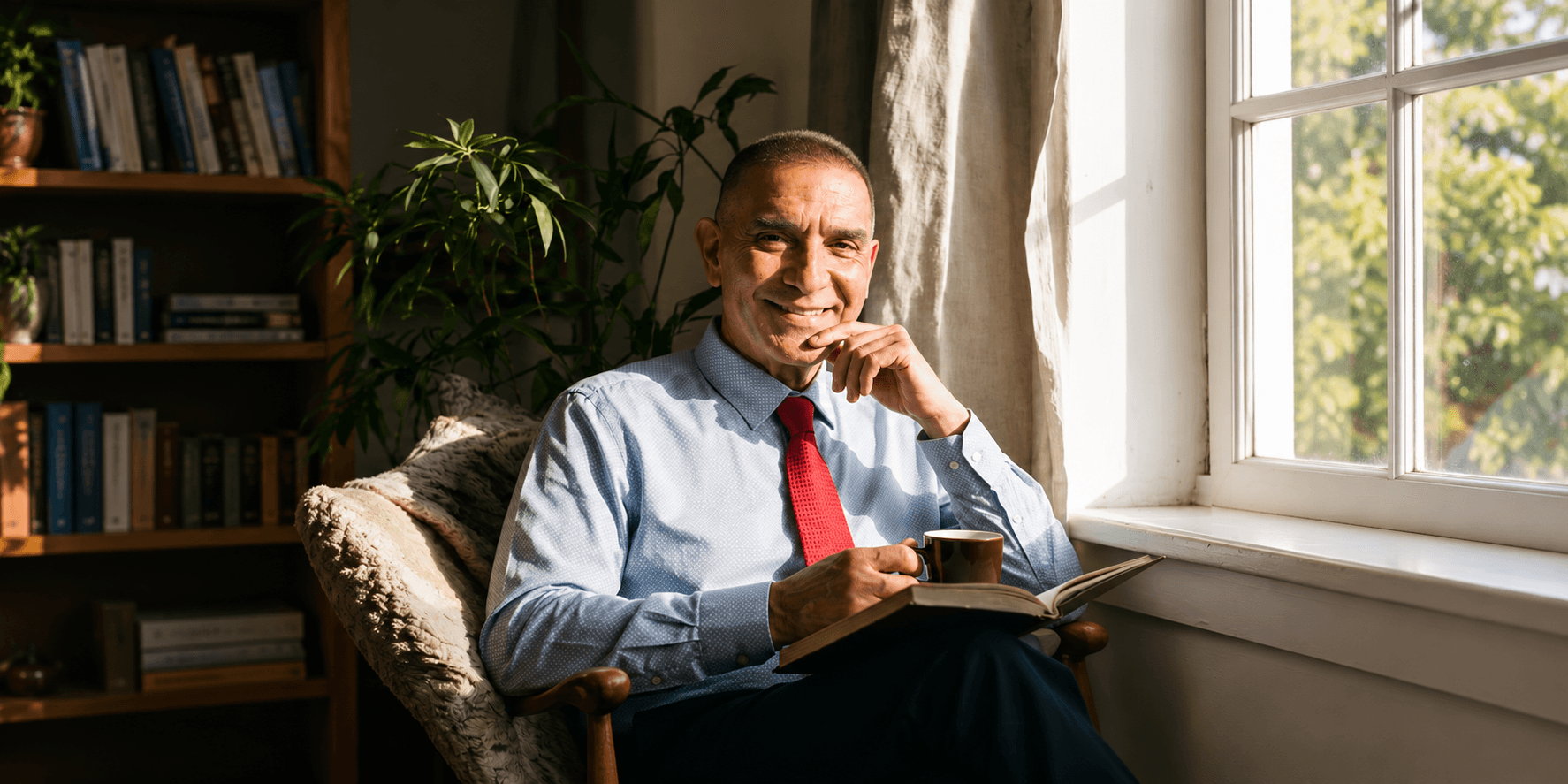
Orlando Castro shares lessons from prostate cancer and recovery to help others face difficult seasons with hope, courage, and connection.
There are moments when life divides into a before and an after. For Orlando Castro, facing prostate cancer became one of those moments. The experience brought uncertainty, difficult emotions, and a recovery journey that would shape more than his own outlook. Over time, what he learned through that deeply personal chapter became something he could share with others. Today, the Orlando Castro story is centered on recovery, resilience, and the belief that personal experience can help someone else feel less alone.
The Orlando Castro Story Begins With A Personal Battle
A cancer diagnosis can change the way a person thinks about time, relationships, priorities, and the future. Orlando Castro's experience with prostate cancer became part of a larger personal story about confronting hardship and moving through recovery one step at a time.
His perspective comes from lived experience. He knows what it means to face the emotional weight that can accompany a serious health challenge. He also understands that recovery is not simply a word or a destination. It can be a process filled with questions, adjustments, difficult days, and moments that bring a renewed appreciation for life.
Rather than keeping those lessons entirely to himself, Castro has chosen to let his experience become a way to connect with others.
That choice gives his story purpose beyond his own recovery. People confronting prostate cancer or supporting someone who is may encounter a world filled with unfamiliar information and powerful emotions. Medical professionals remain the appropriate source for diagnosis, treatment, and individual health guidance. Yet there is another form of support that can also matter: hearing from someone who has personally walked through a difficult season and is willing to speak openly about what it taught him.
For Castro, helping others begins there.
Recovery Became A Source Of Perspective
One of the most meaningful lessons that can emerge from a difficult experience is the realization that personal hardship can create connection. Castro's recovery story offers him a perspective that cannot come from a textbook alone. It comes from having lived through uncertainty and discovering what helped him continue forward.
That does not mean one person's experience can predict another person's outcome. Every prostate cancer journey is individual, and medical decisions belong in conversations between patients and qualified health professionals. What Castro can offer is something different: the human perspective of someone who has experienced prostate cancer personally and understands why encouragement, conversation, and connection can matter.
His story can help create space for people to talk.
For some, discussing prostate cancer can be uncomfortable. Fear, embarrassment, uncertainty, and concern for loved ones can make an already difficult experience feel isolating. Hearing someone speak candidly about his own journey may make it easier for another person to ask questions, seek appropriate professional care, or simply admit that the experience is difficult.
Castro's role is not to provide medical answers. It is to share what he has learned from his own story and offer the kind of human support that comes from experience.
Helping Others Through What He Has Learned
The strongest personal stories often become valuable when they move beyond the person telling them. Castro's journey is meaningful not simply because he experienced prostate cancer and recovery, but because he can use those experiences to connect with people who may be navigating their own difficult chapter.
Sometimes that connection may begin with a conversation. At other times, it may simply come from knowing that someone else understands the emotional landscape of facing a serious diagnosis. The value is not in promising that another person's journey will look the same. It is in showing that difficult experiences can be spoken about openly and that people do not always have to carry every emotion privately.
This is where Castro's story takes on a broader purpose.
Recovery can change the questions a person asks. Instead of focusing only on what happened, a person may begin asking what can be done with the experience. What can be shared? Who might benefit from hearing the story? How can a painful chapter become a source of understanding for someone else?
For Castro, helping others offers one answer.
By speaking from personal experience, he can bring a human voice to a subject that is often discussed primarily through statistics, tests, procedures, and clinical terminology. Those things are essential in medical care, but the person experiencing cancer also has a story. There are relationships, fears, hopes, setbacks, conversations, and moments of courage behind every diagnosis.
Castro's experience reminds people of that human dimension.
Why Orlando Castro's Recovery Story Matters
Prostate cancer can be difficult to discuss, particularly when someone is newly confronting the subject. Personal stories can help open conversations, but their value depends on honesty. Castro does not need to turn his experience into a universal formula for recovery. Its strength comes from being personal.
His journey is his own. The lessons he carries from it are shaped by what he experienced, how he approached recovery, and what he came to understand along the way.
That distinction is important. Genuine support does not require pretending to have every answer. Sometimes the most valuable thing one person can offer another is presence, understanding, and the willingness to share what a difficult experience actually felt like.
This approach also creates a more meaningful public identity for Orlando Castro. Instead of building a presence around broad claims or promotional language, his story can be rooted in something real. He faced prostate cancer. He experienced recovery. He learned from that chapter of his life. Now, he wants those lessons to help others.
That is a foundation built on experience rather than image.
Turning Recovery Into Meaningful Connection
The next chapter of Orlando Castro's story is not only about looking back at prostate cancer. It is about deciding what to do with the perspective recovery has given him.
By sharing his experience, Castro can contribute to conversations that are often difficult to begin. He can encourage people facing similar challenges to seek appropriate medical guidance, stay connected with the people who support them, and remember that emotional support can have an important place alongside professional care.
Most importantly, he can listen.
For someone confronting prostate cancer, knowing another person has traveled through his own difficult journey can make a conversation feel more human. Castro's story is not intended to replace medical advice or promise a particular result. It is an invitation to connect through lived experience, recovery, and the lessons that can emerge when life takes an unexpected turn.
To learn more about Orlando Castro, his story, and his work with Awakenings Consulting, connect with him on LinkedIn, Facebook, and Instagram, call 786-518-9182, or visit Awakenings Consulting to explore his professional work and services.

NY Review Contributor
Covers New York and national affairs, from City Hall to the neighbourhoods the decisions land in.
This article features partner, contributor, or branded content from a third party. Members of the NY Review editorial staff were not involved in the creation of this content. All views and opinions are those of the contributor alone.
You May Also Like

Brooklyn Book Festival Brings Major Literary Gathering to New York City

Boston Red Sox Rally Past Chicago Cubs To Secure Wild Card Showdown With New York Yankees

Filmshow Is Reinventing What A Night Of Short Films Can Feel Like

Microsoft Expands AI Infrastructure As Technology Companies Race To Meet Growing Computing Demand

Rick Sørensen Scott: A Patient-Centred Approach to Integrative Pain Care