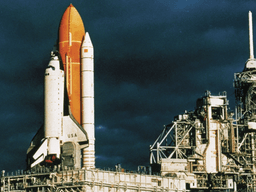
NASA Unveils Major Plans For A Permanent Moon Base
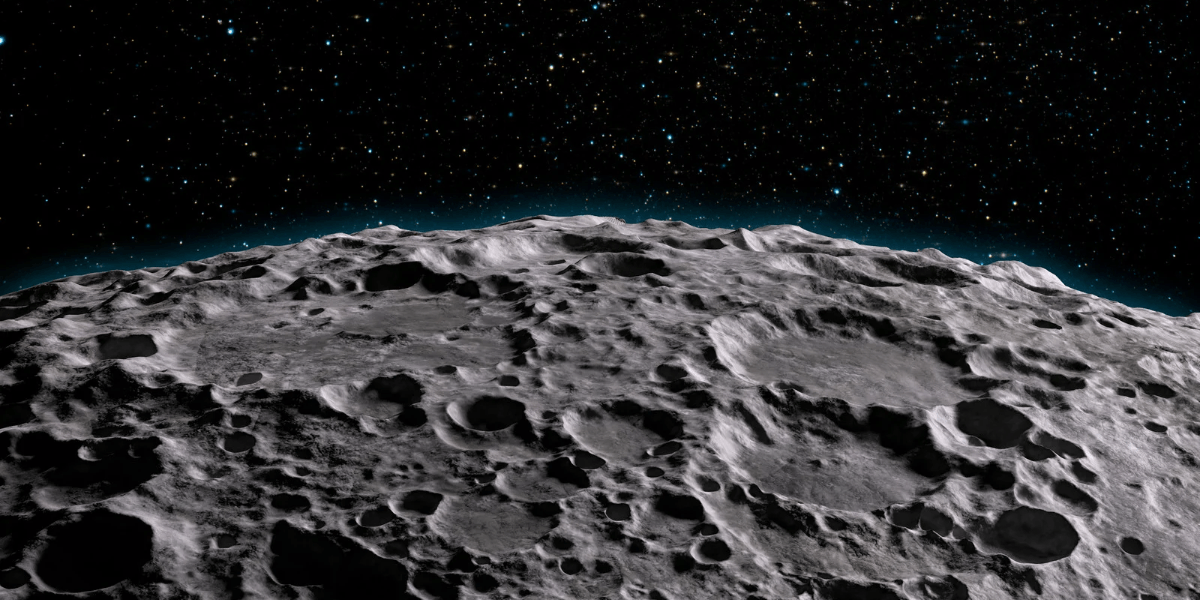
NASA announces new lunar exploration projects, including advanced rovers, robotic deliveries, and infrastructure to support future Moon missions.
CAPE CANAVERAL, Florida, November 7, 2026. The United States took another significant step toward establishing a lasting human presence on the Moon on Saturday as NASA announced new projects to expand its lunar exploration capabilities. The announcement, made during the MAX POWER aerospace expo and air show at Kennedy Space Center in Florida, outlined plans for robotic transportation, advanced surface vehicles, and essential infrastructure. The developments represent an important shift in how the space agency intends to explore the lunar surface, with greater emphasis on building systems that can support repeated missions rather than isolated visits.
NASA Moon Base Plans Enter A New Development Phase
NASA revealed a series of awards and mission updates designed to advance its Moon Base program, which aims to establish a sustained presence near the lunar south pole. The projects include commercial robotic delivery services, launch and transportation capabilities, scientific equipment, and infrastructure needed to support future exploration.
The announcement reflects NASA's broader strategy of working with American aerospace companies to develop specialized technologies for lunar operations. Rather than relying on a single mission to deliver every component, the agency plans to build its lunar capabilities through multiple projects.
NASA Administrator Jared Isaacman described the approach as a mission by mission effort, emphasizing the importance of testing equipment, learning from operations, and improving technology before astronauts depend on it.
Nuclear Powered Rover Among Key Announcements
One of the most notable developments involves PROMISE, a nuclear powered rover intended to operate on the lunar surface. The project is managed by NASA's Jet Propulsion Laboratory in California and forms part of the agency's effort to expand robotic exploration capabilities.
Unlike Earth, the Moon presents extreme environmental conditions that complicate the operation of conventional equipment. Long periods without sunlight, difficult terrain, and significant temperature changes create challenges for surface missions.
A nuclear powered vehicle could offer advantages for missions that require sustained energy availability, particularly in locations where sunlight is limited. However, the project's eventual performance will depend on engineering development, testing, and successful deployment.
NASA also announced transportation arrangements for its MoonFall lunar drones, another Jet Propulsion Laboratory project intended to support future exploration activities.
Why The Lunar South Pole Matters
The lunar south pole has become a major focus of scientific exploration because of its distinctive environment and potential resources. Some permanently shadowed regions contain evidence of water ice, which researchers consider important for understanding the Moon's history and assessing future exploration possibilities.
However, operating in this region presents substantial technical difficulties. Uneven terrain, limited communications visibility, and changing illumination conditions require carefully designed equipment.
NASA's new projects are intended to address several of these challenges by expanding transportation options, supporting scientific investigations, and developing infrastructure that future missions may use.
The agency's approach also recognizes that a sustainable lunar presence requires more than landing spacecraft. Reliable transportation, power systems, communications, and equipment maintenance will all play important roles in supporting operations over time.
American Aerospace Industry Plays A Central Role
The November 7 announcement highlights the growing importance of commercial partnerships in the United States space program. NASA is expanding its use of private industry to develop and deliver technologies that support government exploration objectives.
These partnerships allow different companies and research teams to focus on specific engineering challenges, including transportation, robotic systems, and lunar surface infrastructure.
The work also involves NASA research centers with specialized experience in spacecraft design, robotic exploration, and mission operations.
By distributing responsibilities across multiple projects, the agency aims to create a more flexible exploration framework. Nevertheless, successful implementation will depend on technical progress, mission readiness, and the ability to integrate equipment developed by different organizations.
What The Announcement Means For Future Moon Missions
NASA's latest initiative is closely connected to its long term ambition of returning astronauts to the lunar surface and eventually supporting extended operations there.
Robotic equipment could help prepare exploration sites before crews arrive. Surface vehicles may also expand the distances that scientific instruments can travel, allowing researchers to investigate areas beyond the immediate vicinity of a landing site.
At the same time, the announced projects remain part of an evolving development program. Their successful operation on the Moon has not yet been demonstrated, and the announcement should not be interpreted as confirmation that a permanent lunar settlement already exists.
The distinction is important because establishing a reliable presence beyond Earth will require multiple successful missions, extensive testing, and continued engineering improvements.
A Significant Step Toward Sustained Lunar Exploration
NASA's November 7 announcement marks an important milestone in the development of future American lunar exploration capabilities. By advancing robotic vehicles, transportation services, and supporting infrastructure, the agency is preparing technologies that could make repeated missions to the Moon more practical.
For the public, the key takeaway is that the next chapter of lunar exploration involves more than sending astronauts back to the surface. It also requires building the systems that allow scientific work and essential operations to continue.
As these projects advance, their progress will help determine how NASA transforms its Moon Base ambitions into functioning infrastructure on another world.

NY Review Contributor
Covers sport and entertainment in New York, from the arenas to the stages.
This article features partner, contributor, or branded content from a third party. Members of the NY Review editorial staff were not involved in the creation of this content. All views and opinions are those of the contributor alone.
You May Also Like

NASA Completes Historic Space Station Power Upgrade
NASA Astronauts Begin Historic Spacewalk To Complete International Space Station Solar Power Upgrade

New York Rangers End Four Game Losing Streak With 3-1 Victory Over St. Louis Blues At Madison Square Garden

Elite Academic Services: From Lesson Plans To Books

2026 New York City Marathon Makes History As Andreas Almgren And Sheila Chepkirui Claim Major Victories