
NASA Astronauts Begin Historic Spacewalk To Complete International Space Station Solar Power Upgrade
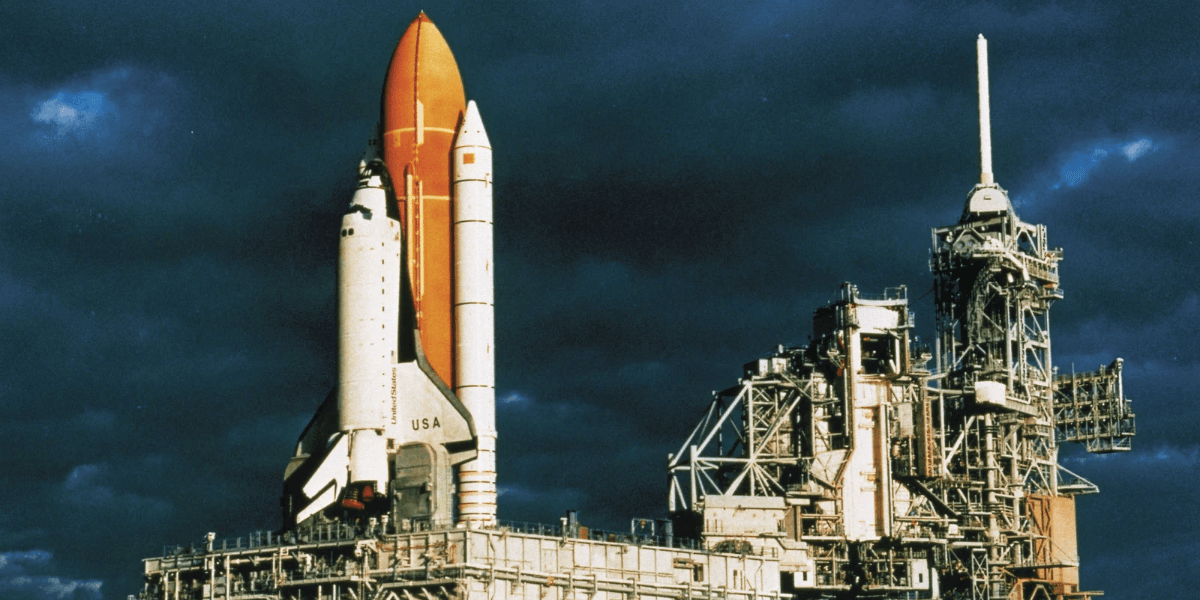
NASA astronauts undertake a major spacewalk on November 5, 2026, to complete a five year solar power upgrade aboard the International Space Station.
Hundreds of miles above Earth, two astronauts stepped outside the International Space Station on Thursday, November 5, 2026, to carry out a critical upgrade to one of humanity's most important scientific laboratories. With the planet moving beneath them, NASA astronaut Anil Menon and Canadian Space Agency astronaut Joshua Kutryk began installing the station's eighth and final new solar array. The operation marked a significant step toward completing a five year effort to strengthen the orbiting laboratory's electrical power system. The spacewalk began at 8:36 a.m. Eastern Standard Time, highlighting another milestone in the continued development and maintenance of the International Space Station.
NASA Spacewalk Targets Final Solar Array Installation
The November 5 mission, officially designated U.S. Spacewalk 101, focused on installing an International Space Station Roll Out Solar Array, commonly known as IROSA. The equipment was assigned to the station's 3B electrical power channel. Kutryk wore a spacesuit marked with red stripes, while Menon wore an unmarked suit, allowing mission controllers to distinguish between the astronauts during the operation. The mission was scheduled to last approximately seven hours and required careful coordination between astronauts, robotic equipment, and ground controllers.
The installation followed another significant spacewalk on October 29, when the same astronauts installed and deployed the seventh solar array. That operation lasted seven hours and 11 minutes and involved work on the station's 2A electrical channel. The November 5 assignment focused on completing the remaining installation on the opposite side of the station's truss structure. Together, these operations represent years of planning and engineering intended to maintain the aging orbital laboratory's performance.
Why The International Space Station Solar Upgrade Matters
Electricity supports nearly every essential function aboard the International Space Station. Scientific experiments, communications equipment, environmental controls, and other critical systems depend on reliable power. The station generates electricity using solar arrays that capture sunlight as it travels around Earth. Maintaining sufficient electrical capacity becomes increasingly important as equipment ages and research demands continue.
The eight new solar arrays are designed to increase the station's available power by as much as 30 percent. The upgrade is expected to raise generating capacity from approximately 160 kilowatts to 215 kilowatts. This improvement will help support ongoing scientific research, essential station operations, and preparations for the station's eventual controlled departure from orbit. The upgrade campaign began in June 2021, making the final installation an important milestone in a project spanning more than five years.
International Cooperation Plays A Central Role In The Mission
The November 5 spacewalk also demonstrated the importance of international cooperation in space exploration. Although NASA oversees the mission, the Canadian Space Agency contributed personnel and technology essential to the operation.
Menon was assigned to transport the solar array while attached to Canadarm2, the station's Canadian robotic arm. Kutryk was responsible for receiving the equipment and helping position it at the installation site. Both astronauts then needed to coordinate their movements to secure the array. Canadian Space Agency astronaut Jenni Gibbons was assigned to serve as capsule communicator, while support teams in Houston and Canada monitored the mission. These responsibilities illustrate how complex space operations depend on contributions from multiple countries and specialized teams.
A Significant Milestone For Scientific Research In Space
The solar array installation represents more than an equipment improvement. It is part of the continuing effort to maintain the International Space Station as a research facility where scientists can study conditions that cannot easily be reproduced on Earth.
The station supports investigations involving biology, materials, technology, and the effects of microgravity. Reliable electricity allows researchers to operate instruments, preserve experimental conditions, and communicate findings to teams on the ground.
The November 5 excursion was designated the 286th spacewalk supporting station assembly, maintenance, and upgrades. It was also Menon's fifth spacewalk and Kutryk's second. Their experience underscores the specialized training required to perform complicated engineering tasks outside a spacecraft.
What The November 5 Spacewalk Means For The Future
For American audiences, the mission offers a clear example of how scientific infrastructure requires continuous investment, maintenance, and technical innovation.
The immediate objective was to complete the station's solar power expansion. Its broader significance lies in extending the usefulness of a laboratory that supports research, international collaboration, and preparation for future space missions.
The confirmed start of the November 5 operation marked an important stage in the installation process, although the beginning of the spacewalk did not itself establish that the final solar array had been successfully deployed.
Once fully installed and operational, the eight solar arrays are expected to strengthen the station's electrical capacity and support its remaining scientific mission. The project also demonstrates how careful engineering, international teamwork, and sustained technological improvements can help maintain complex infrastructure in one of the most challenging environments humans have ever explored.

NY Review Contributor
Covers New York and national affairs, from City Hall to the neighbourhoods the decisions land in.
This article features partner, contributor, or branded content from a third party. Members of the NY Review editorial staff were not involved in the creation of this content. All views and opinions are those of the contributor alone.
You May Also Like

Elite Academic Services: From Lesson Plans To Books

2026 New York City Marathon Makes History As Andreas Almgren And Sheila Chepkirui Claim Major Victories

Patrick Stewart Dies At 86 As Hollywood Remembers The Legendary Star Trek And X Men Actor

Akin Famojuro's Freedom In Shackles

Tampa Bay Rays Stun Milwaukee Brewers With Dramatic 12 Inning Victory In 2026 World Series Game 4