
The Cultural Architect: Walt White On Culture

Retired Fire Chief Walt W. White shares the lessons, including failures, that shaped his approach to leading people.
Looking back on his first chief’s job, Walt W. White saw the need for guidance he wished he had received before taking command. Experience had taught him lessons that no appointment could supply in advance. Some came through success. Others came through decisions that did not work as intended. Those lessons became the foundation of The Cultural Architect, his book on building a values-based, mission-driven culture. Its central question is direct: Every organization has a culture, but is it the one its leaders want?
The Cultural Architect Begins With Experience
White brings four decades of fire service experience to that question. During a dozen years as a fire chief, he led three separate fire agencies across California and Nevada, including the Sacramento Fire Department. Those roles placed him in charge during consequential moments for the organizations he served. They also gave him a close view of the gap between holding a leadership title and shaping how people work together. His book draws on that experience rather than presenting culture as a concept removed from daily responsibility.
The mission behind the book reaches beyond recounting a career. White wants leaders to think about what they build while they have the authority to influence it. Leadership roles are temporary; the habits and expectations established during them can remain. That distinction gives his work its focus. Rather than treating culture as a side project, he places it at the center of leadership. The question becomes not simply what a chief accomplishes, but what the organization learns to value and carry forward.
His perspective also challenges a familiar instinct: looking first to tactics or strategy when performance falls short. White argues that culture deserves greater attention in determining whether an organization succeeds or fails. That is his leadership thesis, not a promise that one framework can remove every obstacle. For readers, it offers a useful starting point. Before changing another plan, leaders can examine the values and behaviors that shape how their people put any plan into practice, especially when demands rise and choices become difficult.
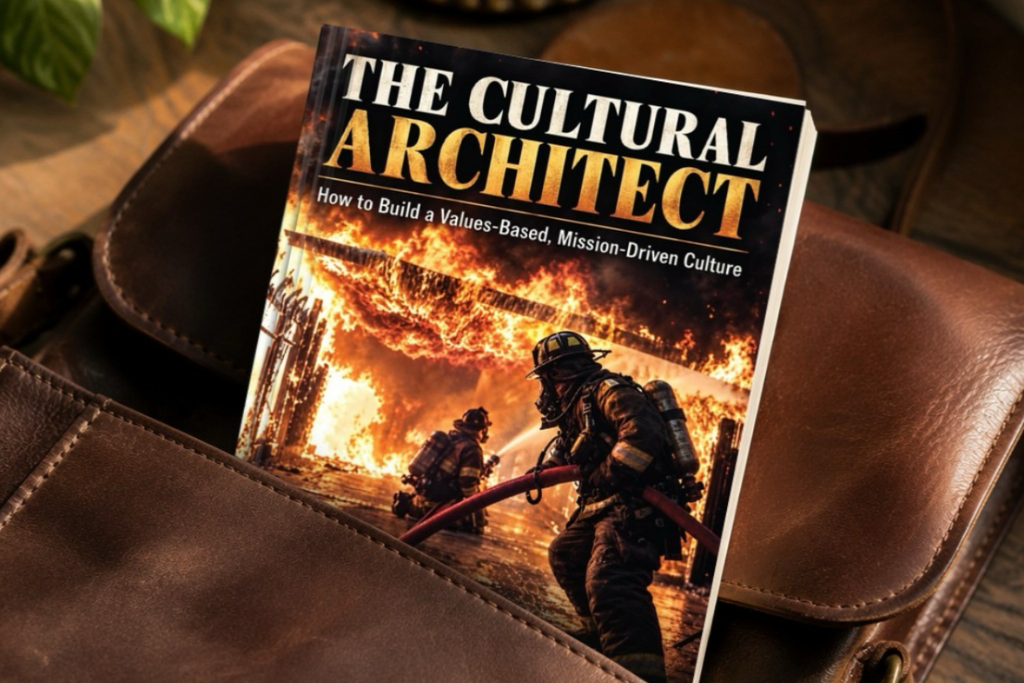
What The Cultural Architect Takes From Failure
White’s clearest distinction is his willingness to discuss what went wrong. He does not offer only a polished account of successful leadership. Instead, he shares personal stories of both success and failure, with attention to what each taught him. That choice matters because leadership books can make sound judgment appear simple in hindsight. By including mistakes, White leaves room for the uncertainty that comes with responsibility. The reader encounters lessons drawn from experience, including the parts a leader might prefer to leave out.
For someone preparing to take command, that candor offers a different kind of preparation. A new role can bring expectations before it brings understanding. A leader may know the mission yet still need to learn how people interpret it, where trust is thin, or which habits resist change. White’s account does not erase those demands. It invites readers to approach them with greater awareness. His failures become part of the teaching, rather than details that distract from a more flattering professional story.
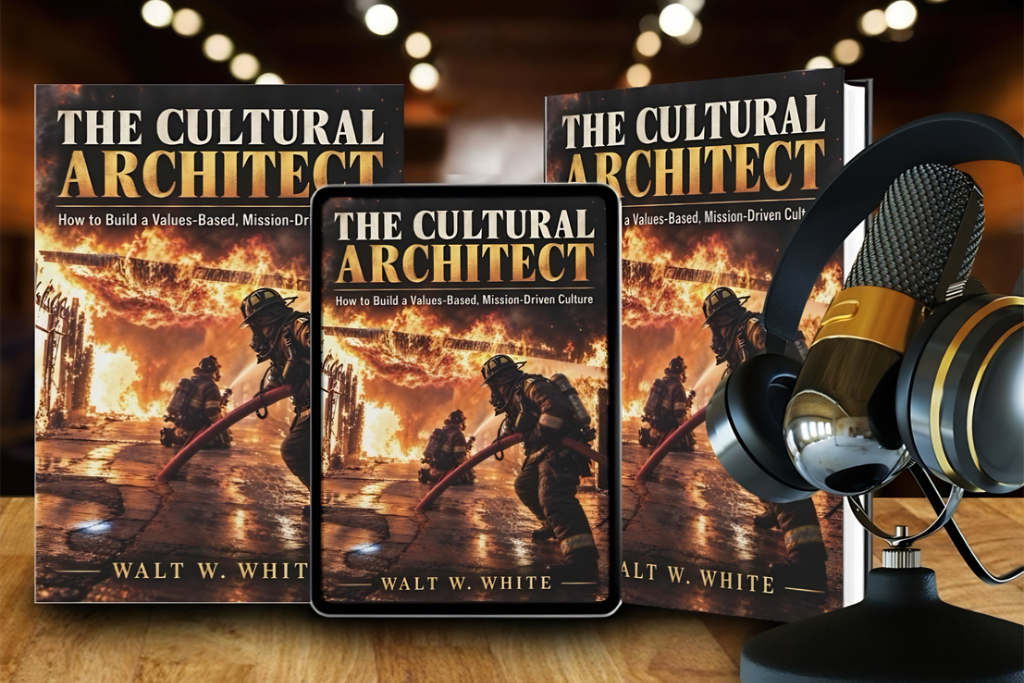
Along that journey, White identified seven essential elements of organizational culture and three primary levers for organizational renewal. These form the framework presented in The Cultural Architect. The structure gives readers a defined approach to a subject that can otherwise feel broad and hard to address. Its purpose is to connect values and mission with the work of leading people. For a leader who senses that something needs to change but struggles to name it, a framework provides a place to begin the examination.
White describes his approach as tested through his leadership experience. Its value proposition is practical: help leaders think more deliberately about the culture they influence each day. The framework is not presented here as a substitute for knowing a team or understanding its circumstances. Rather, the book connects a structured approach with personal accounts from the field. That combination lets readers consider both the leadership ideas and the experience behind them, then reflect on how those lessons may relate to their own responsibilities.
From Leadership Ideas To Daily Practice
One of White’s most memorable messages asks leaders to “Wander not Wonder” about what is happening in their organizations. The phrase favors direct engagement over distant assumptions. It points toward a leader who takes an interest in the work as people experience it, rather than relying only on what reaches the office. The appeal lies in its simplicity. Culture can seem abstract until a leader starts paying closer attention to everyday interactions, the questions people ask, and the concerns they choose to raise.
His related call to “Huddle Up” encourages leaders to bring teams together when needed to build trust and foster creativity. Here, too, the emphasis is on human contact. A mission statement cannot hold a conversation, and a set of values cannot listen to a concern. People must do that work. These phrases give White’s broader framework an accessible voice. They also show the kind of leadership he wants readers to consider: present, engaged, and willing to make space for others to contribute.
Recognition forms another part of White’s professional story. He was inducted into the Guns & Hoses Hall of Fame in 2016 and the Firefighter Challenge Hall of Fame in 2024. Still, his account of the book’s reception returns to fellow leaders. White reports receiving eleven five-star Amazon reviews, along with comments from respected colleagues who wished they had read it before becoming chiefs. Those responses are meaningful to his stated purpose: offering the guidance he once wanted before assuming the demands of command.
Today, White also makes himself available for professional speaking and executive coaching. These services extend the conversation beyond the page for leaders examining their responsibilities and their organization’s culture. To explore his approach, visit The Cultural Architect website for information about the book, his background, and speaking opportunities. Readers can also review the book’s Amazon listing to assess its fit with their needs. For those asking whether their current culture reflects their intended values, White offers an experience-based starting point for a closer, more deliberate look.
Explore More About The Cultural Architect
Anyone in a leadership position influences workplace culture, whether consciously or not. In The Cultural Architect, White provides a practical guide to creating a values-driven, mission-focused environment where people and purpose align. The book is available on Amazon, while readers can explore more about the author, his work, and a collection of photographs documenting his career through his official website.

NY Review Contributor
Covers business, entrepreneurship, and innovation, with an interest in the stories behind founders and growing companies.
This article features partner, contributor, or branded content from a third party. Members of the NY Review editorial staff were not involved in the creation of this content. All views and opinions are those of the contributor alone.
You May Also Like

NASA Completes Historic Space Station Power Upgrade

NASA Astronauts Begin Historic Spacewalk To Complete International Space Station Solar Power Upgrade

New York Rangers End Four Game Losing Streak With 3-1 Victory Over St. Louis Blues At Madison Square Garden

Elite Academic Services: From Lesson Plans To Books

2026 New York City Marathon Makes History As Andreas Almgren And Sheila Chepkirui Claim Major Victories