Maisa Brandão And The Art Of Fashion Storytelling
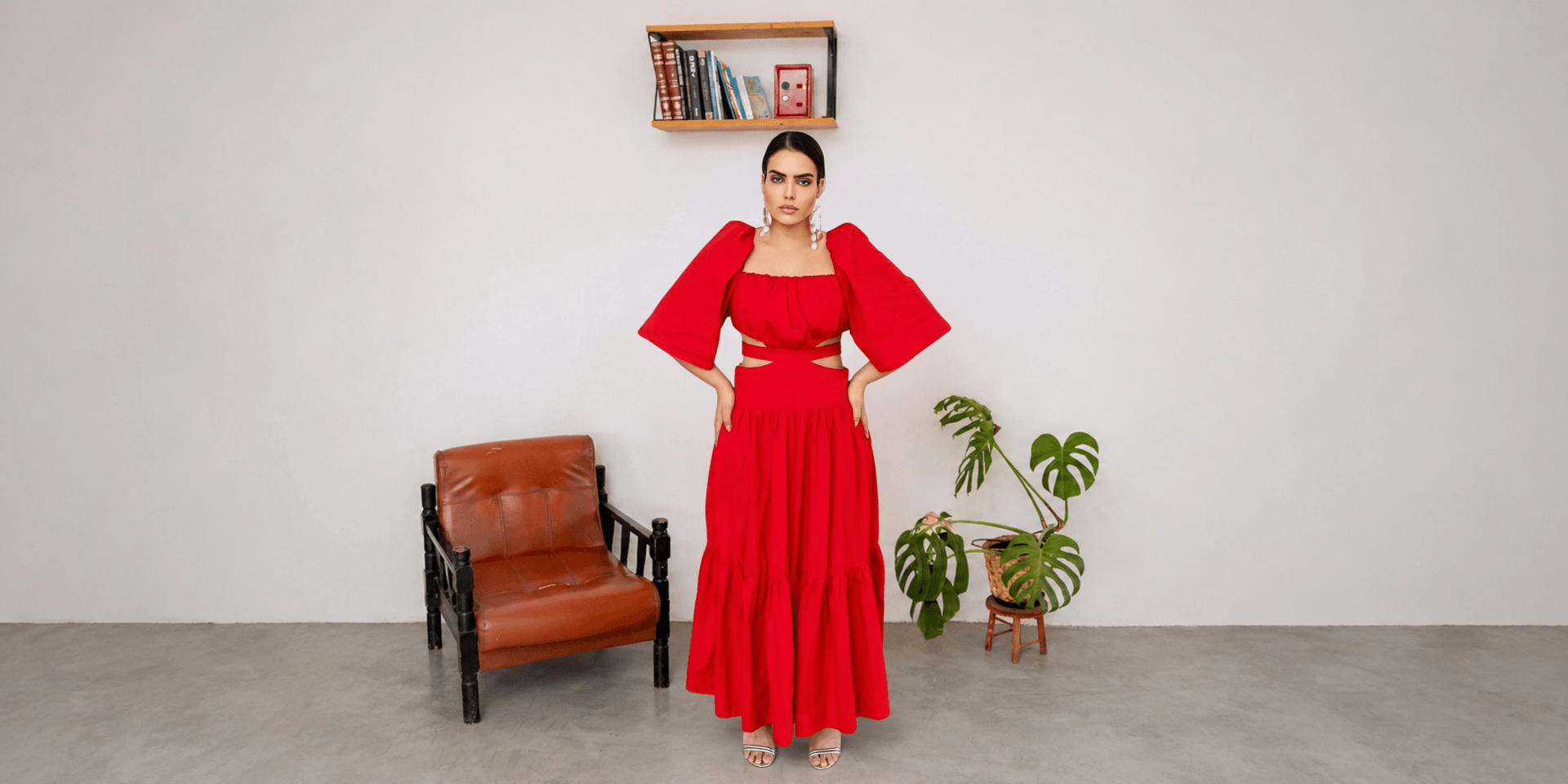
The Brazilian creator looks beyond trends to explore what clothes reveal about culture, identity, and the stories people share.
A look catches the eye, a trend earns a name, and the feed moves on. Yet the most revealing question often arrives after that first glance: Why does this image matter? For Brazilian creator Maisa Brandão, that question offers a place to begin. Through her YouTube channel, @maisabrandao, she approaches fashion storytelling as a way to slow the encounter between an image and its viewer. Rather than stopping at what a garment looks like, her work considers the histories, ideas, and social meanings that give it weight.
Fashion Storytelling Begins With A Question
Maisa’s professional path brings together two fields that shape this approach. She holds a degree in Fashion Design from Centro Universitário Belas Artes and a postgraduate qualification in Audiovisual Production from FAAP. Fashion provides a framework for understanding clothes, aesthetics, and their contexts. Audiovisual production provides the means to turn that understanding into a story told through images and sound. Together, these areas of study support a practice in which the subject and the way it is presented carry equal importance. Knowledge needs a clear form if it is to reach an audience.
The central choice behind her channel is editorial rather than purely visual. Maisa treats fashion as a subject to investigate, not simply a stream of new looks to display. That means asking where a style comes from, what it signals, and why it finds an audience at a given moment. A trend becomes an opening into a larger discussion, rather than the whole discussion itself. The focus shifts from identifying what is current to understanding how clothing connects with culture, memory, identity, and human behavior.
That choice creates a challenge: how to make room for depth without losing the viewer. Research alone does not make a compelling video. Information needs a sequence, a point of view, and a reason for the audience to keep watching. Maisa’s work brings those demands together through narrative construction. The aim is not to place a lesson over attractive images. It is to build a visual account in which ideas and aesthetics help explain each other, making a complex subject easier to enter without stripping away its meaning.
Her guiding premise appears in the statement supplied for this profile: “Fashion is not just about what we wear. It is a visual language that tells stories about who we are, where we come from, and the world we are building.” That idea gives her work a clear center. Clothes are not detached objects, and viewers are not merely potential buyers. Both belong to a wider social world. Looking closely at fashion can therefore become a way to examine how people express belonging, difference, aspiration, and change.
How Fashion Storytelling Takes Shape On Screen
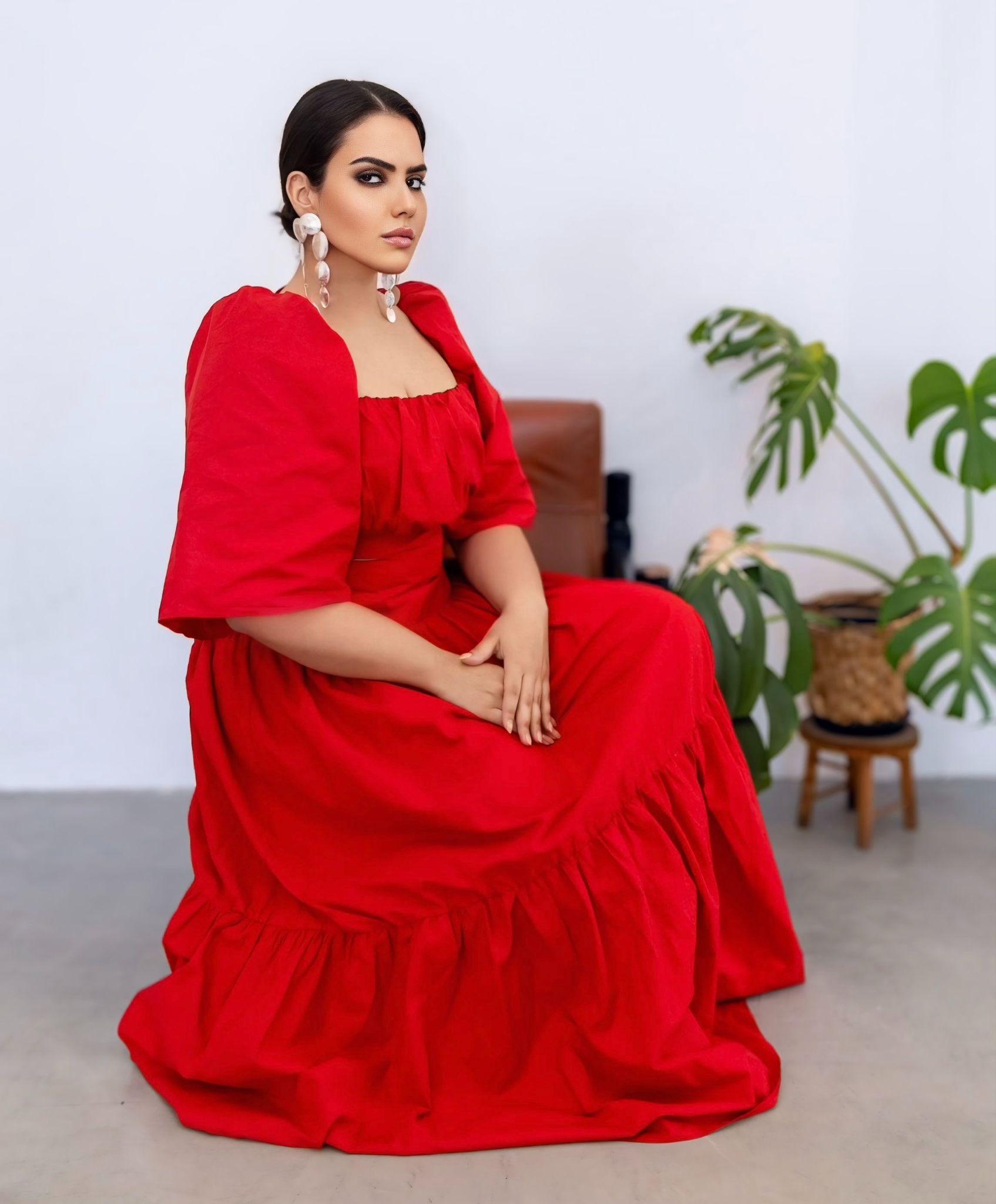
On @maisabrandao, audiovisual storytelling serves that larger inquiry. The visual element is not a substitute for substance; it is part of how substance becomes clear. An image can draw attention, but context helps a viewer understand what deserves attention within it. Her stated approach links research, narrative structure, and visual language so that each supports the others. The result is a channel built around interpretation: not only showing fashion, but developing a way to read it. That distinction gives her professional training a direct role in her original content.
Research matters because familiar images can conceal unfamiliar stories. A viewer may recognize a look without knowing the cultural references or historical shifts behind it. By investigating those connections, Maisa seeks to move beyond the repeated labels that can flatten fashion into a set of passing categories. This does not require treating pleasure and knowledge as opposites. An engaging video can still ask demanding questions. Fashion storytelling, in this sense, makes room for both the appeal of an image and the work required to understand its broader significance.
Narrative structure then gives those findings direction. A collection of facts may inform, but a story helps establish relationships: what came before, what changed, and why that change matters. Maisa’s emphasis on narrative construction reflects an interest in those links. For viewers, the benefit is a more coherent encounter with the subject. Instead of receiving isolated observations about clothing, they can follow an idea across its cultural and visual contexts. The video becomes a means of connecting details that might otherwise remain separate, even when they appear on the same screen.
According to the figures provided for this profile, her YouTube channel has surpassed 116,000 subscribers and accumulated more than 1.2 million views. Those numbers mark the reach of the project without explaining every reason people watch. Still, they establish that her work has found an audience beyond a small circle. The milestone matters most in relation to the editorial choice behind it: Maisa has developed a channel centered on context and interpretation. Its growth gives that approach a visible presence within the broader landscape of online fashion content.
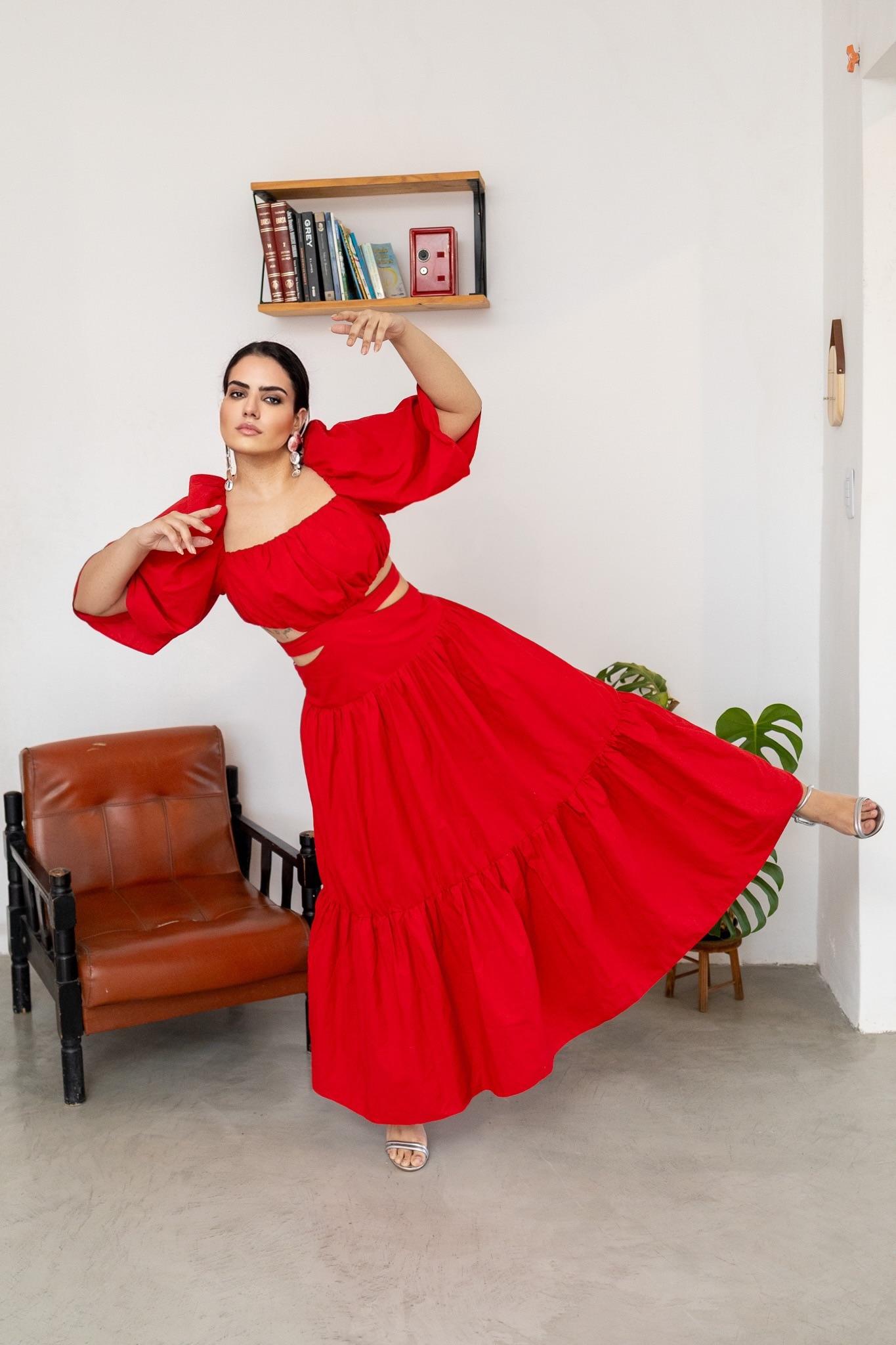
Fashion Storytelling Beyond The Next Trend
What distinguishes Maisa is not a rejection of trends as subjects. Trends can reveal a great deal when examined closely. The difference lies in the questions brought to them. What makes an image desirable? Which ideas does a style carry? How does a familiar form acquire a new meaning? Her approach uses fashion as a starting point for these inquiries rather than as an endpoint. That leaves space for viewers to form their own readings, instead of treating the creator’s role as simply telling them what deserves attention or purchase.
Her ambition for fashion communication follows the same logic. She wants aesthetics and knowledge to coexist, with original audiovisual content offering more than a quick response to what is popular. This is a specific creative aim, not a claim to have transformed an industry. Its value rests in the work itself: researching a subject, shaping an argument, and finding a visual language suited to it. For audiences, that can make fashion feel less like an endless demand to keep up and more like a subject they can learn to understand.
For readers curious about that approach, @maisabrandao offers a place to explore fashion through history, culture, and visual analysis. A useful way to engage is to bring a question of your own: What does a look communicate beyond its surface? Watching with that question in mind reflects the invitation at the heart of Maisa’s work. The next image need not be another fleeting impression. It can become a starting point for understanding the choices, references, and shared meanings woven into the clothes people see and wear.
Explore More About Maisa Brandão

NY Review Contributor
Covers sport and entertainment in New York, from the arenas to the stages.
This article features partner, contributor, or branded content from a third party. Members of the NY Review editorial staff were not involved in the creation of this content. All views and opinions are those of the contributor alone.
You May Also Like

Your Forecast Is a Feeling. Keep It.

NASA Completes Historic Space Station Power Upgrade

NASA Astronauts Begin Historic Spacewalk To Complete International Space Station Solar Power Upgrade

New York Rangers End Four Game Losing Streak With 3-1 Victory Over St. Louis Blues At Madison Square Garden

Elite Academic Services: From Lesson Plans To Books