Filmshow Is Reinventing What A Night Of Short Films Can Feel Like
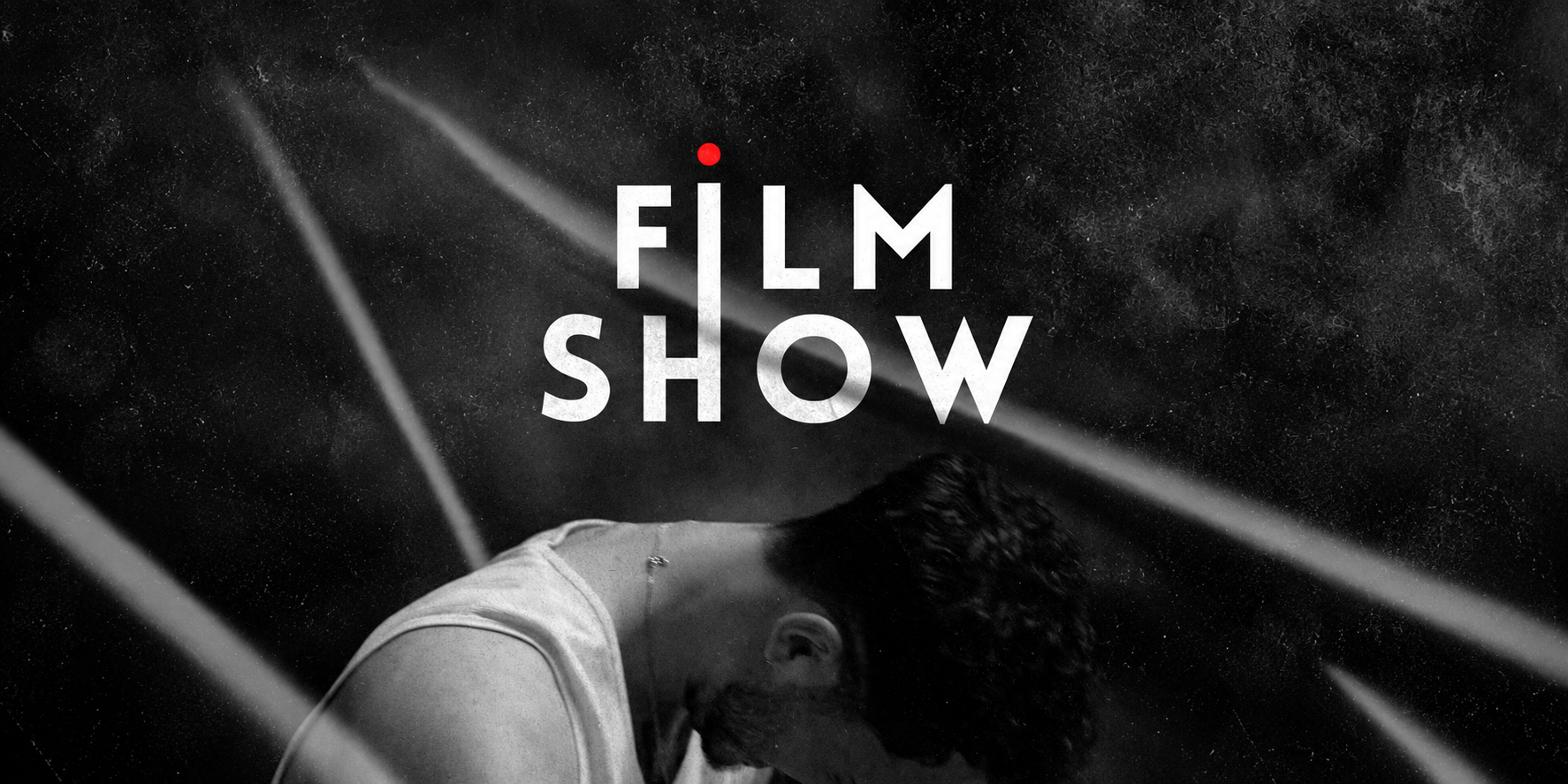
Filmshow blends short films, live theater, audience voting, and spectacle to create a Brooklyn cinema experience built for participation.
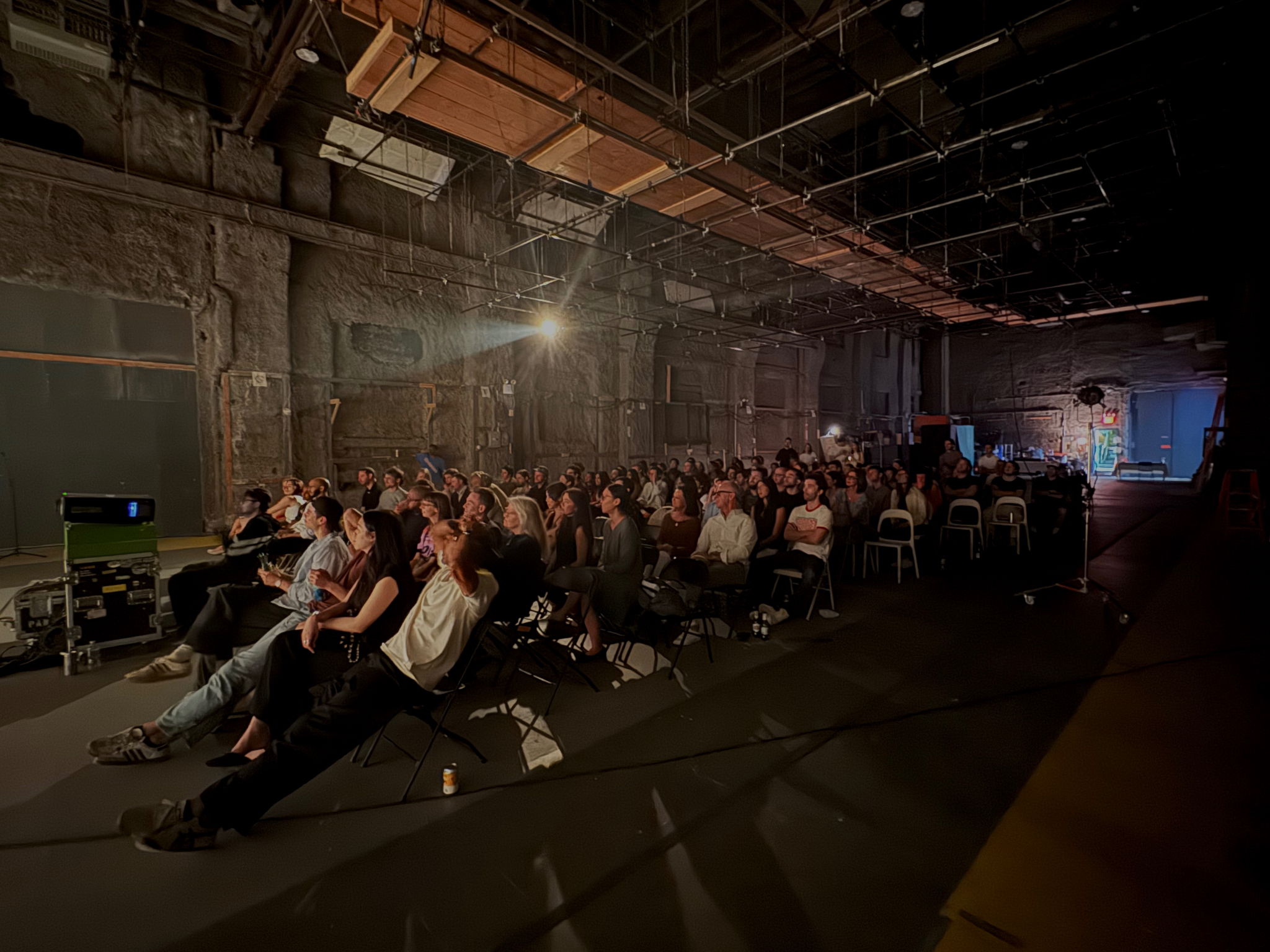
There is a moment at Filmshow when the usual rules of watching movies begin to disappear. A short film may have just ended, but instead of simply waiting for the next title, the audience finds itself inside something else entirely. Live performers enter the equation. The energy changes. People react to one another. Later, marbles placed by audience members will help decide which filmmaker leaves with a $1,000 prize.
It is part screening, part theater, part competition, and part night out. Yet none of those descriptions quite captures it on its own.
That difficulty is precisely what makes the Filmshow short film experience interesting.
Filmshow Is Not Trying To Be Another Film Festival
Filmshow was created by Brooklyn filmmaker Keenan Gray around a straightforward observation: Short films deserve more than simply being placed on a screen.
Independent filmmakers can spend months or years developing work that may ultimately receive only a few minutes of attention within a crowded festival schedule or disappear into an endless online feed. Gray wanted to build an environment where watching a short film felt like an event in itself.
"We didn't want to make another film festival. We wanted to make a night people would be excited to invite their friends to," Gray said.
That distinction sits at the center of Filmshow.
Rather than borrowing the familiar structure of a traditional festival, Filmshow combines locally made short films with experimental theater, theatrical interruptions, audience participation, and competition. The films remain central, but everything surrounding them is designed to heighten the experience of seeing them with other people.
The result is closer to the energy of live entertainment than a conventional screening.
Filmshow also removes one of the invisible barriers that can surround independent cinema. Audiences do not need to know the directors, understand filmmaking terminology, or arrive with industry credentials. They can simply show up expecting an unusual night.
That makes Filmshow as much about the people in the seats as the artists on the screen.
Why The Audience Gets A Marble
Perhaps the clearest example of Filmshow's philosophy is also one of its simplest.
The audience votes.
Filmmakers compete for a $1,000 cash prize, but the winner is not selected exclusively behind closed doors by an industry jury. Audience members use marbles to cast their votes, turning what could have been an abstract judging process into something physical and visible.
It is a small ritual with a larger purpose.
Filmshow wants people to feel that they participated in the evening rather than merely watched it.
That philosophy extends beyond voting. Live theatrical elements interrupt the traditional rhythm of a screening. Performers help connect the films. The venue becomes part of the storytelling. Each element is intended to prevent the audience from settling into the familiar pattern of watching one film, waiting, watching another, and going home.
Filmshow is designed around the opposite idea: What happens between the films can make people care more about what happens on the screen.
Its debut sold out, giving the young concept an early indication that people were willing to gather around short cinema when it was presented differently.
The Next Filmshow Turns A Brooklyn Warehouse Into Part Of The Story
That philosophy will become especially visible at Filmshow's next event on October 3, 2026, at Rollin Studios in Brooklyn, a warehouse space associated with the filming of Beyoncé's "Single Ladies" video.
Filmshow plans to transform the space into a circus inspired, bunker like environment featuring red jumpsuits, slapstick, theatrical interruptions, and short films.
The unusual combination is intentional.
With theater producer Sam Ferlo involved, Filmshow treats the room itself as creative material. A warehouse does not simply become a place where a projector happens to be installed. It becomes part of the identity of the show.
That approach helps explain why Filmshow can be difficult to summarize in a sentence. It borrows recognizable elements from cinema, theater, live entertainment, and competition, then combines them into its own format.
For filmmakers, that creates a different relationship with an audience.
A short film of 20 minutes or less can be submitted for consideration, regardless of genre. If selected, the filmmaker is not simply receiving another screening credit. The work enters an environment deliberately constructed to focus attention on it and generate a live response.
There is also something that analytics cannot reproduce.
A filmmaker can see when a room becomes quiet. They can hear when strangers laugh. They can feel when an ending lands. They can talk to someone afterward who entered the venue knowing nothing about their work.
Those moments are difficult to quantify, but they are central to why movies were shown in rooms full of people long before anyone could count views on a screen.
Filmshow Wants Short Films To Become A Reason To Go Out
That may be the most ambitious idea behind Filmshow.
The team is not only trying to convince more people to watch short films. It is trying to change the context in which people encounter them.
New York audiences already understand the appeal of going out for live music, experimental theater, comedy, gallery openings, and performances from artists they may never have heard of before. Discovery itself can be the attraction.
Filmshow applies that same logic to independent cinema.
You do not necessarily need to recognize a director's name before buying a ticket. The experience is the promise.
That distinction could matter for emerging filmmakers. Short films often exist in an unusual cultural position. They can be daring, personal, funny, unsettling, or technically ambitious, yet finding an audience beyond the filmmaking community remains difficult.
Filmshow is attempting to build that audience by changing the invitation.
Instead of saying, "Come watch a collection of short films," it asks a more intriguing question: What if those films were the center of a live show you would want to experience with friends?
A Room Where Filmmakers And Audiences Actually Meet

Filmshow's approach also reflects something increasingly valuable in an online creative culture: physical connection.
A view count can reveal how many people pressed play. It cannot recreate the sound of an audience reacting together.
For Gray and the Filmshow team, the room matters.
It is where an unknown filmmaker can become the person everyone wants to speak with after the screening. It is where an audience member can discover a film without an algorithm predicting what they will like. It is where performers, filmmakers, actors, designers, and viewers can encounter one another without knowing exactly what will come from it.
That unpredictability gives Filmshow its identity.
The $1,000 audience prize provides stakes. The marble voting provides participation. The theatrical performances provide momentum. The changing environments provide spectacle. The short films provide the reason for bringing everyone together.
Individually, none of those elements defines Filmshow. Together, they explain why calling it simply a "film festival" misses the point.
Filmshow is experimenting with what can happen when short cinema stops behaving like a smaller version of feature cinema and gets an event format of its own.
See What Filmshow Means By A Night At The Movies
The easiest way to understand Filmshow may be to experience the combination firsthand.
Filmmakers with work running 20 minutes or less can explore submissions and the opportunity to put their films in front of a live audience. New York audiences can discover an evening where the person sitting beside them has a vote, the room itself becomes part of the performance, and nobody knows exactly which filmmaker will capture the crowd.
The next Filmshow takes place October 3, 2026, at Rollin Studios in Brooklyn.
Connect with Filmshow, explore tickets, or learn about film submissions to see why this short film experience is designed to be more than another night in front of a screen.

NY Review Contributor
Covers sport and entertainment in New York, from the arenas to the stages.
This article features partner, contributor, or branded content from a third party. Members of the NY Review editorial staff were not involved in the creation of this content. All views and opinions are those of the contributor alone.
You May Also Like
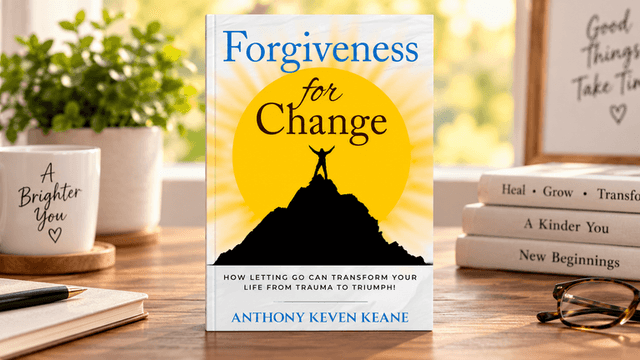
Anthony Keven Keane Earns Bestseller And Book Award Recognition For Forgiveness For Change

Joe Vitale Proves His “Zero Limits” Philosophy By Taking On New Challenges At Every Age

2026 New Balance Bronx 10 Mile Draws 13,000 Runners To New York City Streets

Wall Street Selloff Deepens As Treasury Yields Cross 5 Percent And Oil Prices Surge

RiverWind Vineyard: A Love Story In Rockland