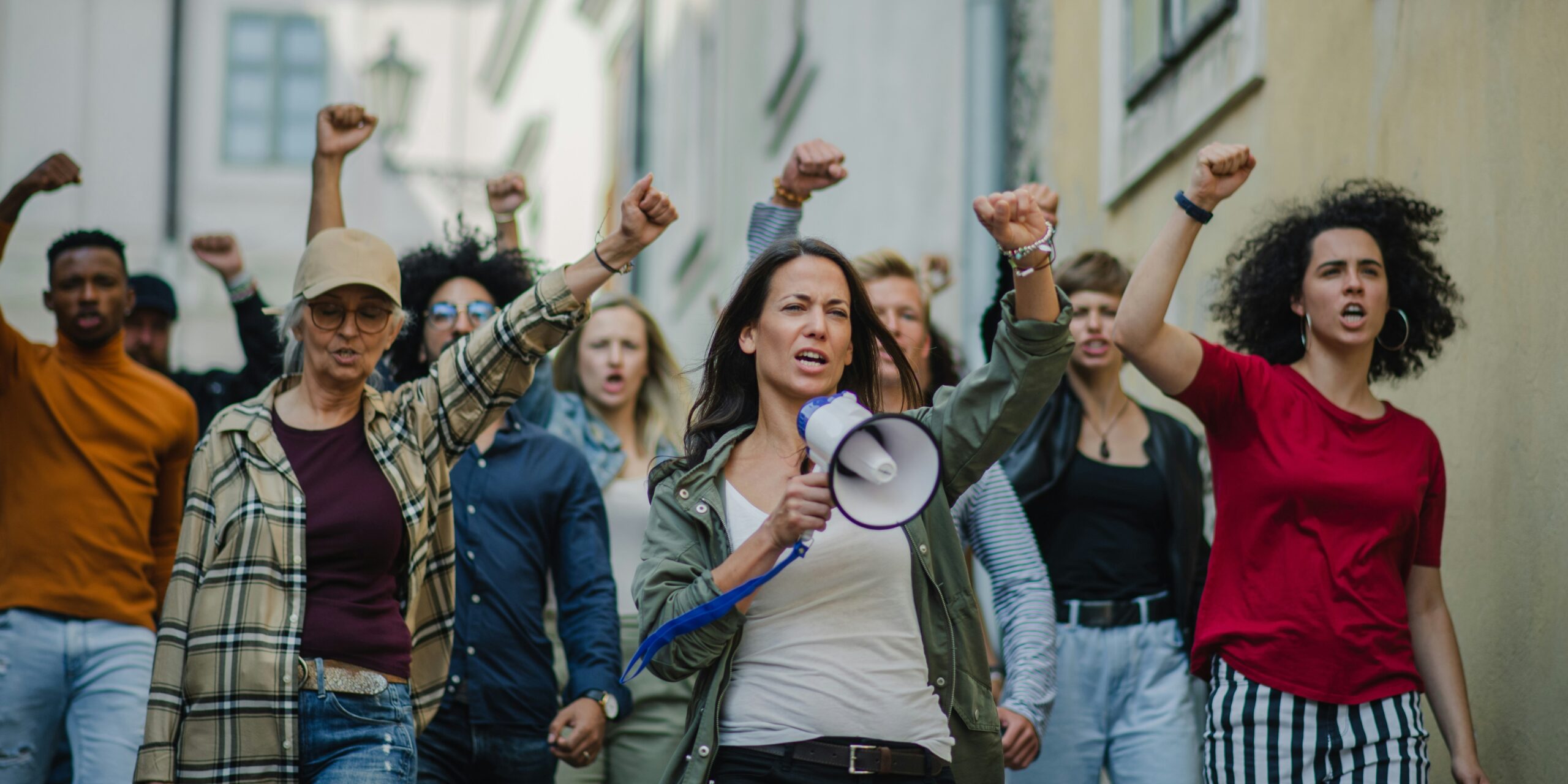
On January 20, tens of thousands of Americans across the country participated in the “Free America Walkout,” a coordinated nationwide demonstration. This event, organized by the Women’s March and allied groups, called on individuals to step away from work, school, and commerce in protest against current national policies and to raise awareness about various civic concerns. The walkout spanned all 50 states, with activities ranging from public gatherings and marches to community conversations and discussions on critical social issues.
The goal of the walkout was to draw attention to several key issues, including healthcare reform and labor rights, and to encourage greater civic engagement among Americans. Participants were urged to wear red, white, and blue to show unity and solidarity. The event was designed as a peaceful protest aimed at showing dissatisfaction with policies that many felt were not adequately addressing the needs of everyday citizens, especially those related to healthcare access, workers’ rights, and social equity.
Sociologists from American University and other institutions were involved in collecting data on the walkout, including measuring participation levels and assessing its economic impact. Researchers are particularly interested in understanding how such demonstrations influence public opinion, as well as their potential long-term effects on national policy discussions. The walkout was viewed by many as part of a broader tradition of grassroots activism in the U.S., where citizens increasingly seek to engage directly with the political process and challenge policies they perceive as unjust.
The “Free America Walkout” aimed to echo past protest movements, emphasizing the importance of collective action in effecting change. By engaging communities across the nation, organizers hoped to ignite meaningful conversations and push for policy shifts that better reflect the needs of diverse populations. As the event unfolded, it became clear that the walkout had sparked a broader movement that transcended political divides, highlighting the power of everyday citizens in shaping the course of American civic life.