
Major U.S. Retailers Accelerate Same-Day Delivery Expansion Amid Intensifying E-Commerce Competition

Major U.S. retail companies are continuing to aggressively expand their same-day and rapid delivery capabilities as competition in the e-commerce sector intensifies and consumer expectations shift toward near-instant fulfillment. Leading players such as Amazon, Walmart, and Target are investing heavily in logistics infrastructure, automation technologies, and hybrid retail models that integrate physical stores with digital supply chains.
The rapid evolution of online shopping behavior has fundamentally changed how retailers operate. Consumers now expect not only convenience but also speed, with same-day or even two-hour delivery windows increasingly becoming standard in major urban centers such as New York City, Los Angeles, and Chicago. This shift has forced traditional retailers and digital-first companies alike to redesign their fulfillment systems from the ground up.
A key driver of this transformation is the expansion of micro-fulfillment centers, small, strategically located warehouses designed to process online orders closer to customers. Amazon has been among the most active in deploying these facilities, integrating robotics and advanced inventory systems to streamline order processing. By reducing the distance between inventory and consumers, the company aims to significantly cut delivery times while maintaining efficiency at scale.
Similarly, Walmart has continued to leverage its extensive network of physical stores as localized distribution hubs. This approach allows the company to fulfill online orders directly from retail locations, effectively turning thousands of stores into mini-warehouses. This hybrid model gives Walmart a competitive advantage in regions where proximity to customers is a key factor in delivery speed.
Target has also expanded its same-day services by strengthening its in-store fulfillment systems and delivery partnerships. The company has focused on improving operational efficiency through better inventory visibility and optimized staffing models, ensuring that orders placed online can be quickly picked, packed, and delivered or made available for pickup.
Beyond logistics, technology plays a central role in enabling these advancements. Artificial intelligence and machine learning systems are increasingly used to predict consumer demand, optimize delivery routes, and manage inventory in real time. These tools help retailers reduce waste, lower operational costs, and improve overall delivery accuracy.
Automation is also reshaping warehouse operations. Robotics systems now assist in sorting, packaging, and transporting goods within fulfillment centers, reducing reliance on manual labor for repetitive tasks. While this improves efficiency, companies continue to balance automation with human labor, particularly in last-mile delivery operations where flexibility and decision-making remain essential.
The competitive pressure in the retail sector has intensified as companies race to meet rising expectations. Same-day delivery, once considered a premium service, is quickly becoming a baseline offering in many markets. As a result, retailers are investing not only in infrastructure but also in customer experience improvements, such as real-time tracking, flexible delivery scheduling, and simplified return processes.
Urban centers like New York City have become key battlegrounds for these services due to their high population density and strong demand for convenience. In such environments, even small improvements in delivery speed can significantly influence consumer preference. Retailers are therefore prioritizing dense fulfillment networks and localized inventory systems to stay competitive.
Sustainability has also emerged as an important consideration in the expansion of rapid delivery systems. Companies are increasingly exploring electric delivery vehicles, optimized routing to reduce fuel consumption, and more efficient packaging methods. These efforts reflect growing consumer awareness of environmental issues and regulatory pressure to reduce carbon emissions in logistics operations.
Despite these advancements, challenges remain. The cost of maintaining fast delivery networks is substantial, requiring continuous investment in infrastructure, labor, and technology. Profit margins can be under pressure, particularly when offering low-cost or free same-day delivery options. Additionally, supply chain disruptions and fluctuations in demand can complicate inventory management and delivery reliability.
Labor dynamics are another important factor. The expansion of fulfillment and delivery services has created new job opportunities in warehousing, logistics, and transportation. However, it has also raised questions about working conditions, workforce stability, and the long-term impact of automation on employment within the retail sector.
Consumer behavior continues to evolve alongside these developments. Convenience, speed, and reliability are now among the most influential factors in purchasing decisions. This shift has encouraged retailers to compete not just on price or product selection, but on the overall efficiency of the shopping experience.
Looking ahead, the same-day delivery model is expected to become even more deeply integrated into retail strategy. Companies are likely to continue investing in predictive logistics, expanded fulfillment networks, and advanced automation systems. The long-term direction of the industry points toward a highly responsive, data-driven retail ecosystem where physical and digital operations are seamlessly connected.
In summary, the expansion of rapid delivery services represents a major structural shift in U.S. retail. As companies like Amazon, Walmart, and Target refine their logistics capabilities, the industry is moving toward a future where speed and convenience are central to competition. While challenges remain in cost management and sustainability, the momentum behind instant fulfillment continues to reshape how goods are distributed and consumed across the country.

NY Review Contributor
Covers business, entrepreneurship, and innovation, with an interest in the stories behind founders and growing companies.
This article features partner, contributor, or branded content from a third party. Members of the NY Review editorial staff were not involved in the creation of this content. All views and opinions are those of the contributor alone.
You May Also Like

Oklahoma City Technologist Daniel Mueller Is an Elite and Competitive Hacker

Ahriana Platten Rewrites Sacred Menopause

Where AI Meets Finance: David Villalobos
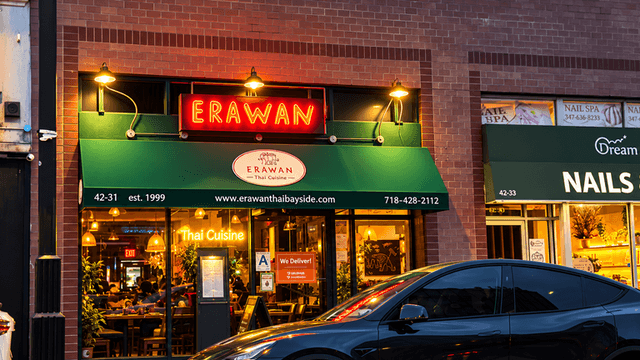
Erawan Thai Cuisine Redefines Bayside Thai Dining

Ghina Makari Cane Introduces Let’s Learn Numbers and Counting with Tractors, Diggers and Trucks