Margot White Explores Music, Poetry, and Perception Through Her Upcoming Album and Literary Work
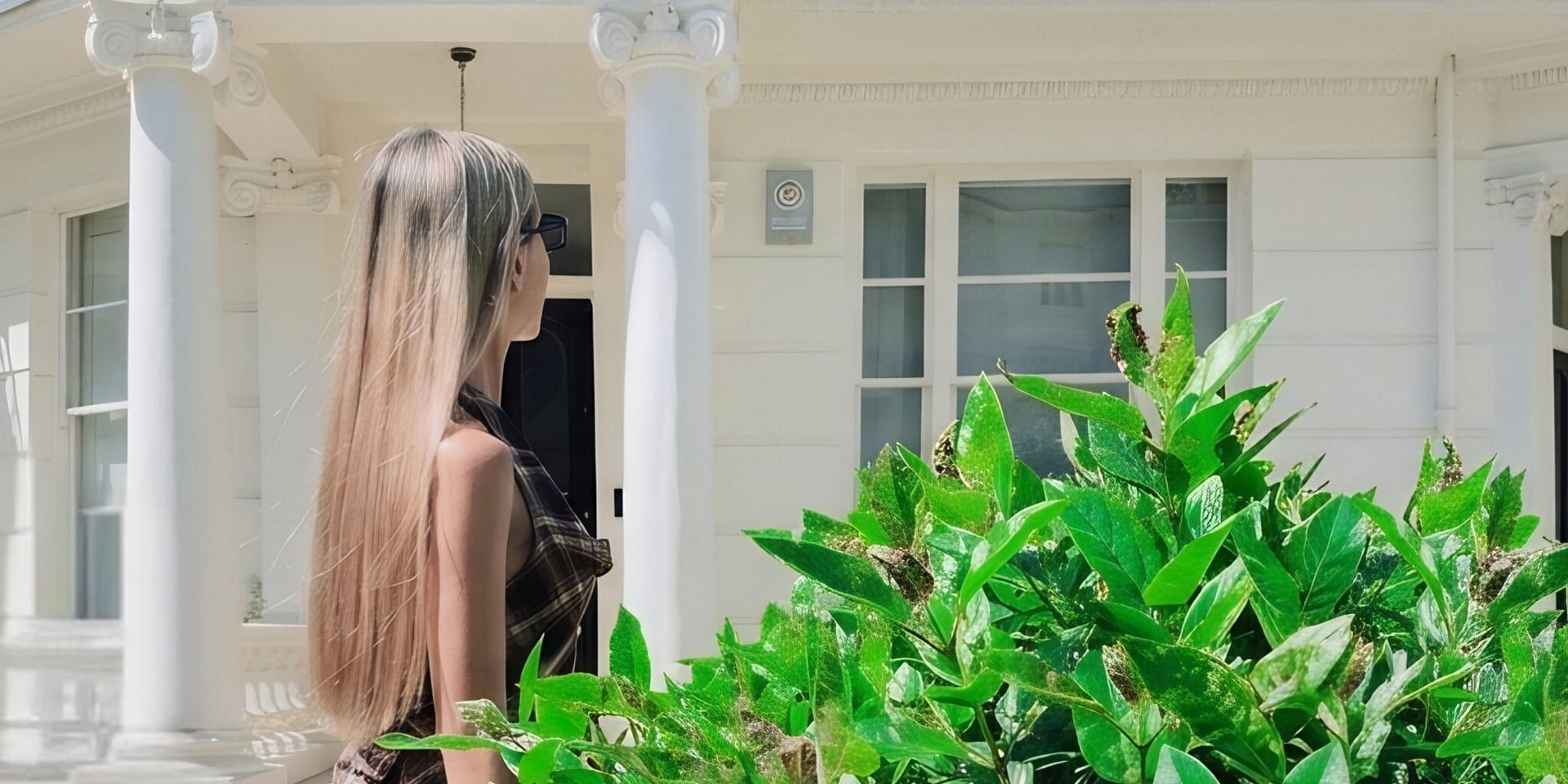
London- and Paris-based artist Margot White blends music and poetry in a new project shaped by storytelling, sound, and memory.
A Transatlantic Creative Perspective
Margot White is a London- and Paris-based musician-poet whose forthcoming album approaches song as a literary and perceptual form. Recorded at Salvation Studios, the record was produced by the veteran engineer and producer Phill Brown, whose career encompasses seminal work with Pink Floyd, Talk Talk, Bob Marley, and Led Zeppelin. Brown’s sensitivity to space, restraint, and emotional presence shapes a sound that is intimate without being insular, expressive without excess.
In recent years, Salvation Studios has hosted artists including Wet Leg, The Cure, and Foals, placing White’s album within a contemporary British lineage while reflecting her own transatlantic background. Raised in Austin, Texas, and now working between London and Paris, White’s music is shaped by movement between cultural centers, attentive to how geography alters voice, intimacy, and memory.
The forthcoming record arrives during a period of expansion in White’s creative practice, as she continues developing both musical and literary projects in parallel. Rather than treating music and poetry as separate disciplines, White approaches both forms as interconnected methods of storytelling and perception.
[IMAGE: https://bizweekly.com/wp-content/uploads/2026/05/download-1-20.jpg]
Where Poetry and Music Intersect
The album is closely connected to White’s forthcoming poetry collection, Angelisms, a completed manuscript currently under consideration for publication. The collection centers on a vocabulary of real and invented words intended to capture emotional and perceptual states that often resist direct description. These “angelisms” serve as experiential markers rooted in memory, feeling, observation, and moments of psychological clarity.
While the poetry collection explores these themes through language, the album translates them into narrative and sound. More story-driven than White’s earlier work, the record also reflects her growing role as a co-producer, with particular attention to texture, timbre, pacing, and sonic architecture. Across both mediums, White’s work remains focused on how subtle emotional experiences can be communicated without excess or theatricality.
Her approach to songwriting emphasizes restraint and atmosphere rather than overt spectacle. The result is a body of work that values intimacy, ambiguity, and emotional precision while still remaining accessible to listeners drawn to contemporary narrative-driven songwriting.
Building Sound Through Analog Process
Where the poetry dwells in interiority, the album renders these ideas through narrative and sound. Lyrically more story-driven than White’s earlier work, the record also marks her deepening role as a co-producer, with a particular focus on texture, timbre, and sonic architecture. Her approach is informed by classical music studies at Goldsmiths, University of London, where she studied experimental film score composition and sound design alongside classical guitar, working directly with tape machines in the Brian Eno Studio. She later attended a Mix With The Masters session in Avignon led by the late Steve Albini, further shaping her commitment to analog processes and live ensemble recording.
Sonically, the album may resonate with listeners drawn to emotionally direct and narrative-driven artists such as Charli XCX, Clairo, and Black Country, New Road, while also engaging with the broader contemporary movement of female-led songwriting that values vulnerability, emotional clarity, experimentation, and genre fluidity.
At the same time, the project maintains a literary sensibility shaped as much by poetry and visual art as by traditional pop songwriting structures. This balance between narrative intimacy and sonic experimentation remains central to White’s evolving artistic identity.
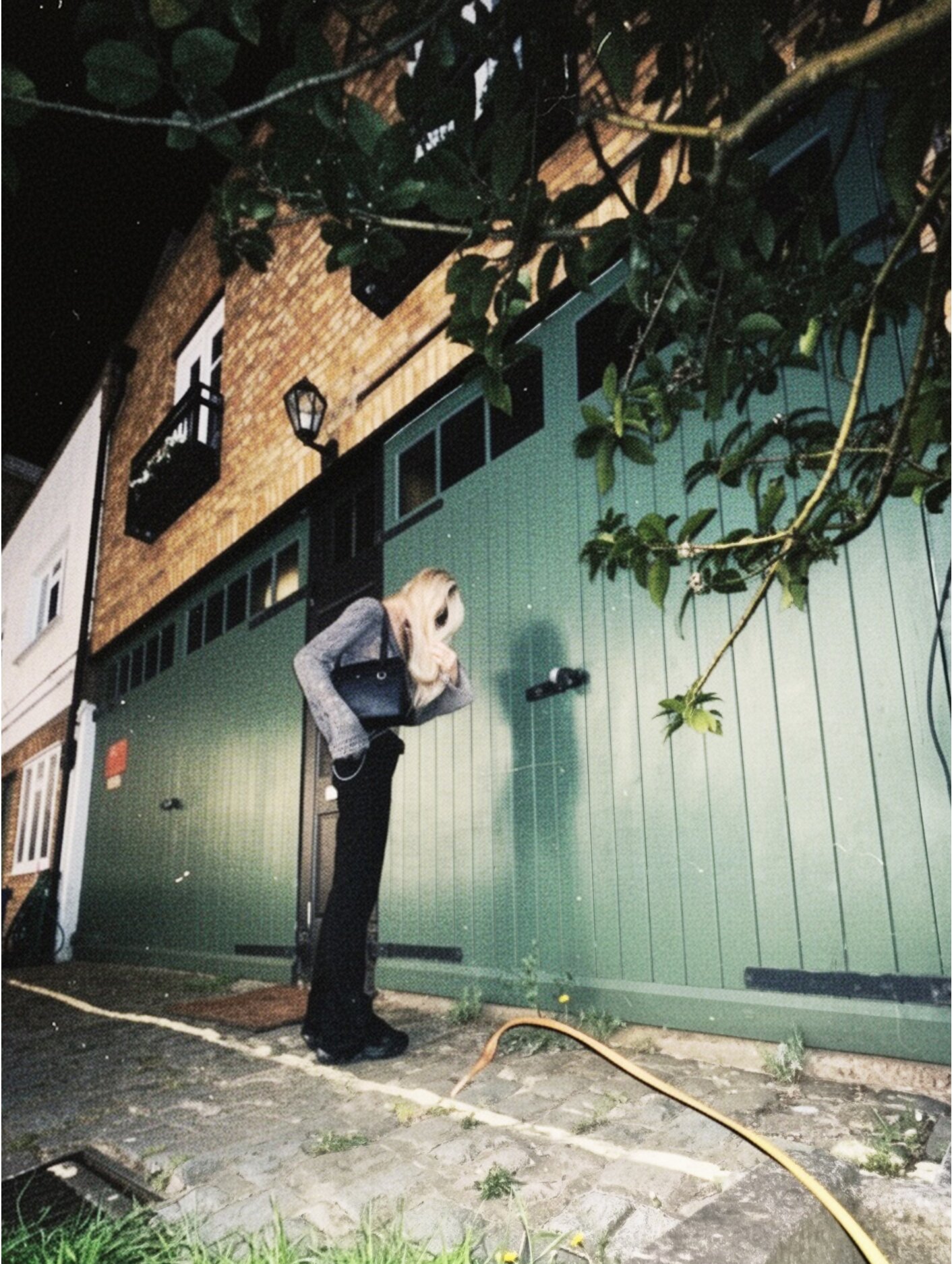
Influences Across Literature and Music
White’s influences move fluidly across genres and generations, from the songwriting of Bob Dylan and Joni Mitchell to the poetic sensibility of Leonard Cohen and Patti Smith. She also cites Miles Davis, Duke Ellington, Charles Mingus, and The Rolling Stones among the artists who have shaped her understanding of rhythm, composition, performance, and cultural expression.
These references are less about imitation than about artistic lineage and creative philosophy. Across disciplines, White is drawn to artists who combine formal experimentation with emotional honesty and narrative depth. Her work similarly attempts to bridge literary and musical traditions while remaining grounded in personal experience and observation.
Alongside her music career, White is an award-winning poet whose work has appeared in Texas Women’s Quarterly, Moof Magazine, and other literary journals. She is also a recipient of the Balcones Poetry Prize. Across both music and poetry, her work reflects a continued interest in how language and sound can articulate lived experience with emotional precision and formal care.
Readers interested in following White’s ongoing work, behind-the-scenes process, and performance updates can find more information through her Instagram: @margot__white.

NY Review Contributor
Covers sport and entertainment in New York, from the arenas to the stages.
This article features partner, contributor, or branded content from a third party. Members of the NY Review editorial staff were not involved in the creation of this content. All views and opinions are those of the contributor alone.
You May Also Like

Ghina Makari Cane Introduces Let’s Learn Numbers and Counting with Tractors, Diggers and Trucks

IT Intelligent Treatment Brings A New Vision Of Regenerative Aesthetics To New York With SomaCell®

How Heather Falk Built The Diamond Standard Coaching to Turn Clarity Into Meaningful Growth

The Modern Family Needs a Modern Estate Plan
Chris Anthony Turns Corporate Events Into Lasting Experiences