New York City’s Cultural Season Brings Surge of Festivals, Free Events, and Tourism Momentum
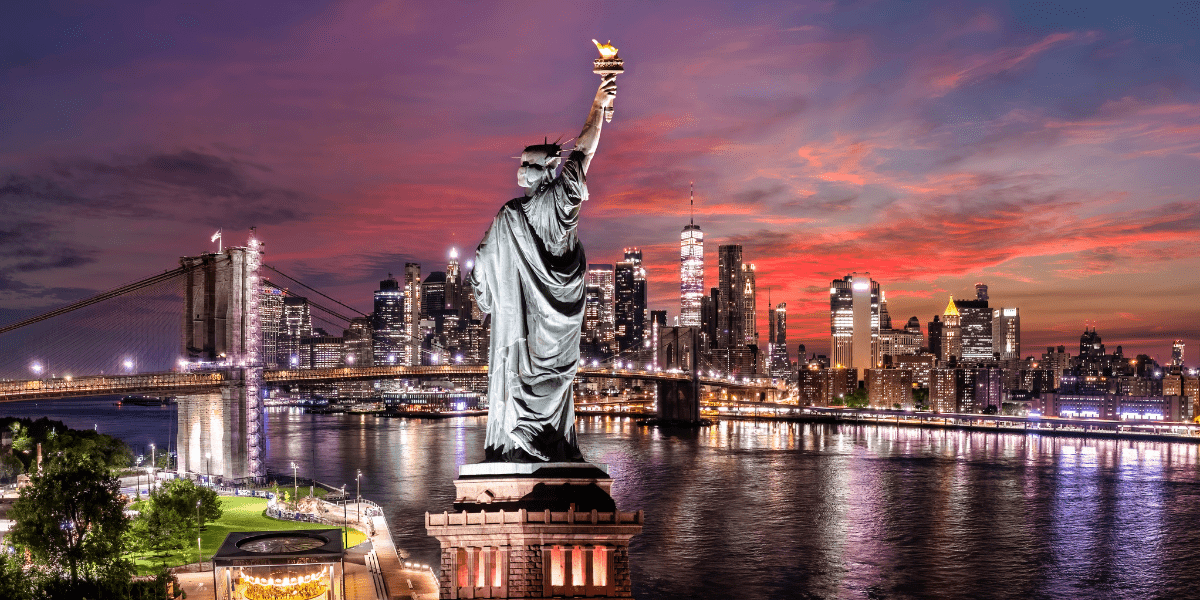
New York City is experiencing a strong cultural surge as its early summer season unfolds, with festivals, public performances, and expanded museum access bringing renewed energy across all five boroughs. From Manhattan’s entertainment districts to Brooklyn’s parks and Queens’ evolving art spaces, the city’s cultural ecosystem is drawing residents and visitors into a wide range of accessible events. The combination of large-scale festivals and neighborhood programming is reinforcing New York’s reputation as one of the world’s most dynamic cultural capitals, while also providing a boost to local businesses and tourism activity.
The Tribeca Film Festival in Lower Manhattan continues to serve as a centerpiece of the city’s cultural calendar, marking its milestone anniversary with an expanded lineup of film premieres, live performances, and industry conversations. Held across multiple venues in downtown Manhattan, including cinemas, public spaces, and pop-up stages, the festival blends mainstream releases with independent storytelling. Audiences are engaging not only with screenings but also with interactive discussions featuring filmmakers, actors, and producers. The event has also helped stimulate activity in surrounding neighborhoods, with restaurants, hotels, and retail establishments reporting increased foot traffic during festival programming.
Brooklyn’s cultural scene is equally active, led by the return of BRIC Celebrate Brooklyn! at Prospect Park’s Lena Horne Bandshell in Prospect Park. The long-running outdoor concert series offers free performances that span genres including jazz, hip-hop, global music, and indie acts. This year’s theme emphasizes community expression and shared cultural experience, drawing large crowds to Prospect Park on warm evenings. Families, students, and longtime residents gather for performances that highlight both emerging artists and established performers. The accessibility of the program continues to make it one of the city’s most widely attended summer traditions, reinforcing Brooklyn’s role as a hub for inclusive public arts programming.
In Queens, MoMA PS1 in Long Island City is expanding its public reach with increased access to contemporary art exhibitions and community-focused programming. As one of the city’s most influential contemporary art institutions, it continues to showcase experimental works from international and local artists. The museum’s expanded accessibility initiatives are expected to significantly increase attendance, particularly among younger audiences and first-time museum visitors. Its location in Long Island City strengthens the borough’s identity as a growing cultural destination within the broader New York art scene, while also encouraging more distributed cultural engagement beyond Manhattan’s traditional hubs.
Meanwhile, Manhattan remains the epicenter of live entertainment, with Broadway theaters hosting a full slate of productions ranging from long-running musicals to new dramatic works. The Theater District continues to attract both domestic and international audiences, contributing significantly to the city’s entertainment economy. In addition, major venues such as Madison Square Garden host concerts and sporting events that draw large crowds throughout the season. Outdoor programming in spaces like Central Park further enhances the city’s cultural accessibility, offering free and low-cost events that appeal to diverse audiences across neighborhoods. These combined offerings create a continuous cycle of activity that keeps public spaces energized well into the evening hours.
The broader economic impact of this cultural activity is evident across hospitality, transportation, and retail sectors. Hotels report stronger occupancy rates driven by festival visitors and tourists attending performances and exhibitions. Restaurants and small businesses in cultural corridors such as Lower Manhattan, Williamsburg, and Long Island City are also benefiting from increased demand. Tourism officials note that New York’s combination of world-class institutions and accessible public programming helps sustain its position as a leading global destination, particularly during peak cultural seasons when the city’s offerings are most visible and widely shared.
As the season continues, New York’s cultural momentum reflects a balance between large-scale events and community-driven programming. The city’s ability to integrate global festivals, neighborhood traditions, and institutional expansion highlights the depth of its arts landscape. With strong participation across boroughs and continued investment in public cultural access, New York maintains a steady rhythm of creativity and engagement that defines its identity as a cultural capital.

NY Review Contributor
Covers sport and entertainment in New York, from the arenas to the stages.
This article features partner, contributor, or branded content from a third party. Members of the NY Review editorial staff were not involved in the creation of this content. All views and opinions are those of the contributor alone.
You May Also Like
Oklahoma City Technologist Daniel Mueller Is an Elite and Competitive Hacker

Ahriana Platten Rewrites Sacred Menopause
Where AI Meets Finance: David Villalobos
Erawan Thai Cuisine Redefines Bayside Thai Dining
Ghina Makari Cane Introduces Let’s Learn Numbers and Counting with Tractors, Diggers and Trucks