Why We’re Teaching Kids to Avoid Fear Instead of Understand It
Children learn more from understanding fear than avoiding it. Guiding them through uncertainty builds confidence, resilience, and trust
By Jaybie D.
Children learn more from understanding fear than avoiding it. Guiding them through uncertainty builds confidence, resilience, and trust
Somewhere along the way, fear became something we try to remove as quickly as possible.
A child hesitates. We reassure.
A moment feels uncertain. We step in.
Something looks unfamiliar. We explain it away.
“Don’t be scared.”
It is one of the most common phrases adults use with children. It is also one of the least examined.
The intention is clear. We want to comfort. We want to protect. We want the moment to pass quickly so the child can feel better again.
But in doing so, we may be interrupting something important.
Fear, especially in children, is not just a reaction. It is part of how they learn to interpret the world.
Children are constantly encountering things they do not yet understand. Their environment is filled with new sounds, shifting light, unfamiliar spaces, and unexpected movement. For some children, these details are processed more intensely, creating moments that feel overwhelming or unclear.
Fear is often the first response to that uncertainty.
When we move quickly to eliminate the feeling, we also remove the opportunity to understand it.
Instead of learning how to process what they are experiencing, children learn to move past it as quickly as possible. The goal becomes avoiding discomfort, rather than making sense of it.
But understanding requires a different approach.
It requires time.
It requires observation.
It requires a willingness to stay in the moment long enough to ask, “What is actually happening here?”
There are signs that this shift is already happening. More parents are beginning to step back and allow their children to engage with challenge instead of avoiding it. Climbing rocks. Building tunnels. Exploring spaces that feel just a little uncertain. Not recklessly, but with guidance and awareness. These moments are not about pushing children into fear. They are about giving them the chance to experience it safely and learn how to move through it.
When children are given that space, something begins to shift.
The unfamiliar becomes something they can examine.
The overwhelming becomes something they can sort through.
The unknown begins to take shape.
This does not eliminate fear. It changes its role.
Instead of something to escape, it becomes something to engage with.
Over time, this builds a different kind of confidence. Not the kind that comes from being told everything is fine, but the kind that comes from knowing how to figure things out.
Children begin to trust their own ability to process what they are experiencing. They learn that not everything needs to be avoided. Some things simply need to be understood. And in that understanding, fear loses its power to overwhelm.
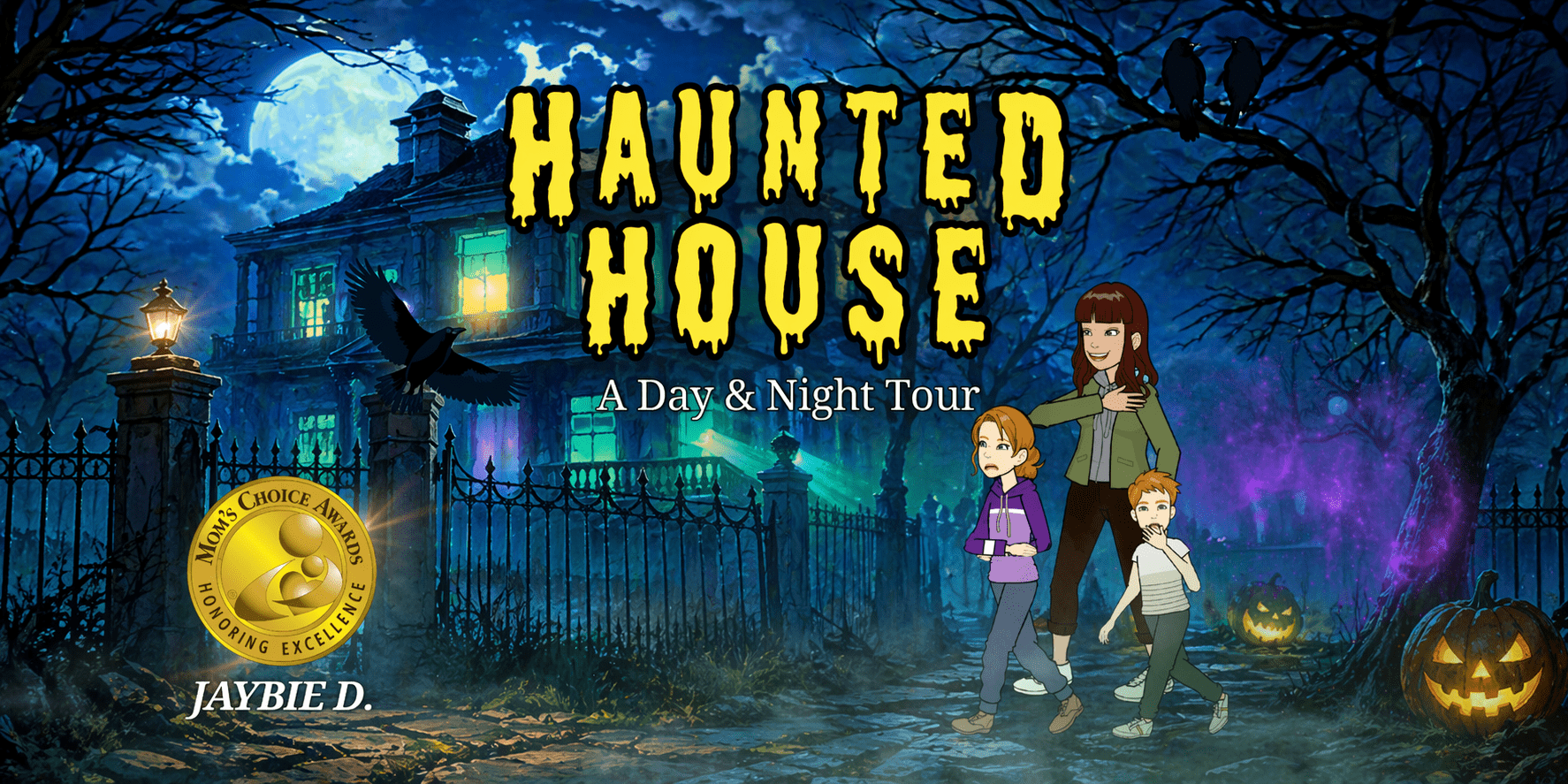
This idea is at the center of my picture book Haunted House: A Day & Night Tour, where children are invited to look beyond what feels scary and begin to understand what is actually happening around them. The story does not remove fear. It slows it down, giving children the chance to observe, question, and make sense of what they see. It encourages them to look twice, think deeper, and discover that what seems frightening at first can often be explained.
Because fear is not the problem.
Avoiding it is.
When children are given the space to understand what they are experiencing, fear becomes something they can move through, not something that controls the moment. And that shift, though subtle, can shape how they face the world for years to come.
About the Author
Jaybie D. is a children’s author and illustrator based in Austin, Texas. Her work focuses on helping children understand big feelings through curiosity, perspective, and everyday experiences.

NY Review Contributor
Covers sport and entertainment in New York, from the arenas to the stages.
This article features partner, contributor, or branded content from a third party. Members of the NY Review editorial staff were not involved in the creation of this content. All views and opinions are those of the contributor alone.
You May Also Like
Oklahoma City Technologist Daniel Mueller Is an Elite and Competitive Hacker

Ahriana Platten Rewrites Sacred Menopause
Where AI Meets Finance: David Villalobos

Erawan Thai Cuisine Redefines Bayside Thai Dining
Ghina Makari Cane Introduces Let’s Learn Numbers and Counting with Tractors, Diggers and Trucks