Tesla Debuts Driverless Robotaxi Service in Austin, Marking Milestone in Autonomous Mobility
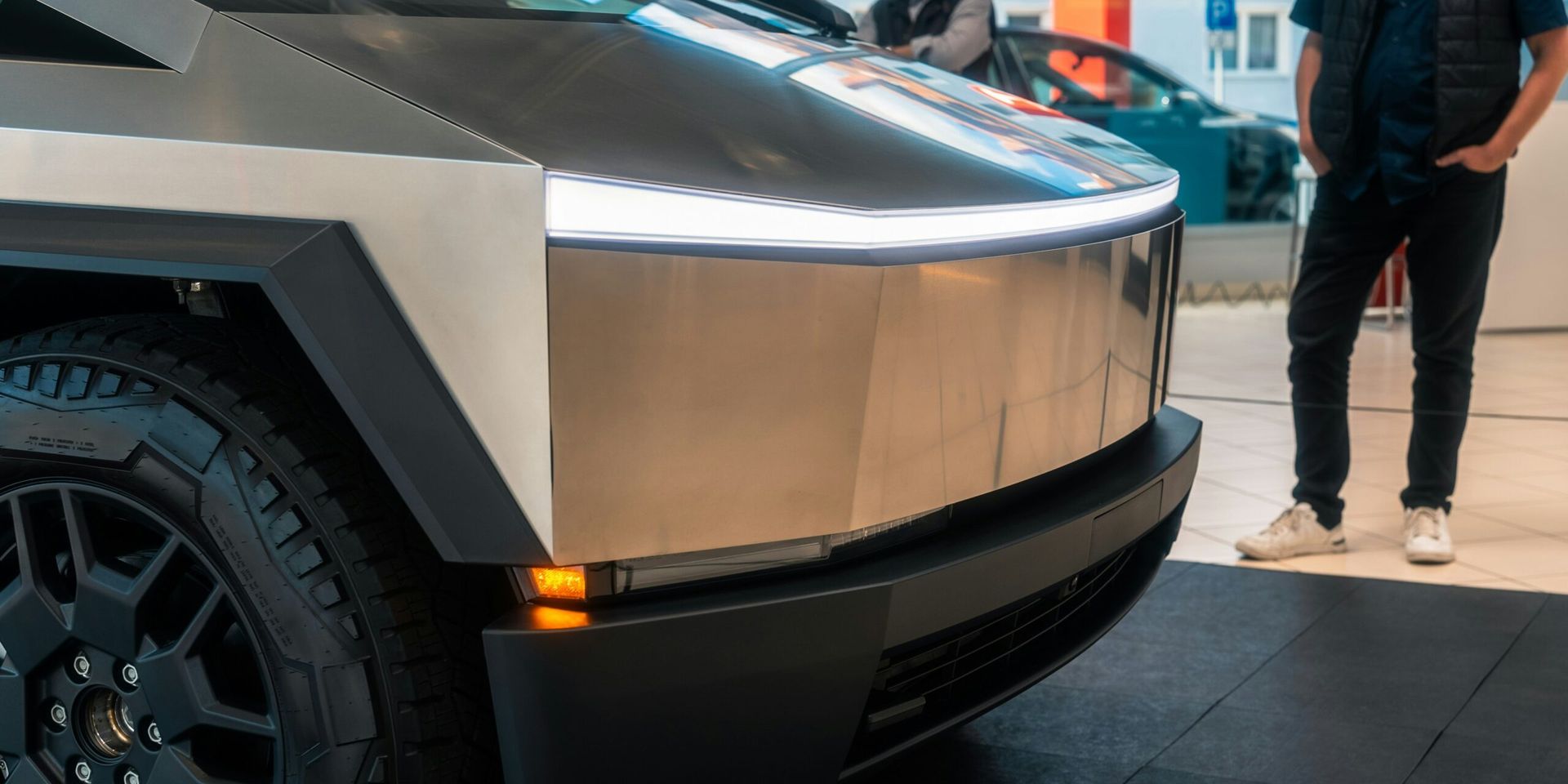
On June 23, 2025, Tesla officially launched its long-anticipated driverless robotaxi service in Austin, Texas, introducing a new era of autonomous urban transportation. This pilot program, described by CEO Elon Musk as the “culmination of a decade of hard work,” represents a significant step toward Tesla’s vision of a fully autonomous ride-hailing network.
The initial rollout features a fleet of approximately 10 to 20 modified Model Y vehicles operating within a geofenced area of South Austin. These vehicles are available to select users through an invitation-only program and can be hailed via a dedicated Tesla app. Rides are priced at a flat rate of $4.20 and are available daily from 6:00 a.m. to midnight, excluding airport pickups and subject to weather conditions. Each vehicle includes a Tesla employee in the front passenger seat acting as a safety monitor, ready to intervene in emergencies but not actively controlling the vehicle.
Tesla’s approach to autonomous driving relies solely on its Full Self-Driving (FSD) software and onboard camera systems, deliberately omitting radar and LiDAR sensors used by competitors like Waymo and Zoox. This decision underscores Tesla’s confidence in its vision-based AI technology, though it has drawn criticism from some industry experts who argue that additional sensors enhance safety and reliability.
Early user experiences have been mixed. Some riders praised the smooth and human-like driving behavior, even in complex urban scenarios. However, videos have surfaced showing instances where robotaxis veered into incorrect lanes or exceeded speed limits, raising concerns about the system’s readiness for broader deployment. Tesla has implemented automatic emergency protocols and limits liability for damages to $100 or the ride cost, whichever is lower.
The launch has also sparked regulatory scrutiny. Seven Texas state lawmakers have urged Tesla to delay the service until new autonomous vehicle regulations take effect on September 1, 2025. These forthcoming laws will require autonomous vehicles to be registered, meet specific safety standards, and possess the ability to reach a minimal risk state if the system fails. They also mandate a First Responder Interaction Plan for emergency services. Despite these concerns, Tesla proceeded with the launch, asserting that the current legal framework permits such operations.
Financial markets responded positively to the launch. Tesla’s stock surged by 9.2% on the day following the announcement, adding approximately $95.7 billion to the company’s market value and increasing Elon Musk’s personal wealth by about $12.2 billion. Analysts attribute this uptick to investor optimism about Tesla’s potential to dominate the autonomous mobility sector, which Ark Invest estimates could be a $951 billion market by 2029.
Looking ahead, Tesla plans to expand the robotaxi service to other cities, including San Francisco, Los Angeles, and San Antonio. Musk has also hinted at the introduction of the Cybercab, a purpose-built autonomous vehicle without a steering wheel or pedals, expected to enter volume production by 2026. This expansion aligns with Tesla’s broader strategy to transform its vehicles into income-generating assets for owners, akin to a hybrid of Airbnb and Uber.
While the Austin pilot marks a significant achievement for Tesla, it also highlights the challenges of deploying autonomous vehicles in real-world environments. As the company navigates regulatory hurdles and public skepticism, the success of this initiative will depend on its ability to demonstrate consistent safety and reliability in autonomous operations.

NY Review Contributor
Covers business, entrepreneurship, and innovation, with an interest in the stories behind founders and growing companies.
This article features partner, contributor, or branded content from a third party. Members of the NY Review editorial staff were not involved in the creation of this content. All views and opinions are those of the contributor alone.
You May Also Like
Maia Brown-Jackson Writes The Unflinching Truth
Excellent and Invisible: Kimberly Hogate On AI Visibility
Orlando Castro Turns His Prostate Cancer Recovery Story Into Hope And Support For Others
Why Families Keep Coming Back To Animal Hospital Of Sullivan County
2026 MacArthur Fellows Put American Creativity And Discovery In The National Spotlight