
Across the United States, sports organizations at every level are placing greater emphasis on long-term development, community engagement, and athlete well-being, signaling a broader shift in how success is defined beyond wins and championships.
From professional leagues to college athletics and local youth programs, the focus is increasingly centered on building sustainable systems that support players both on and off the field.
Expanded Investment in Youth Sports Development
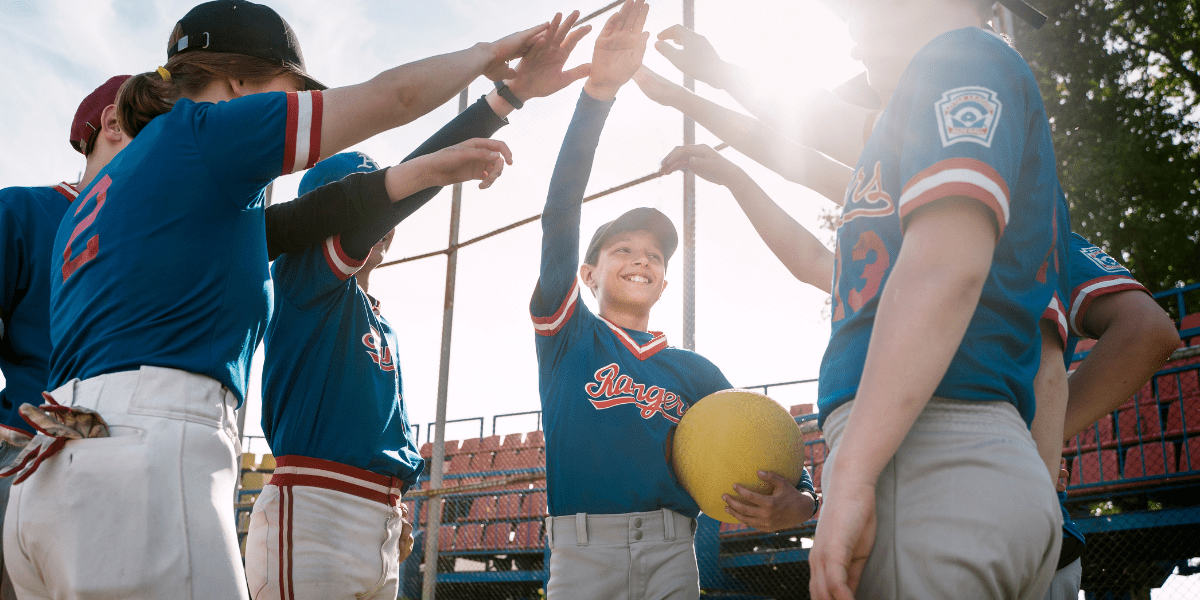
A major positive trend in American sports is the continued growth of youth development programs supported by professional leagues and nonprofit partners. These initiatives aim to make sports more accessible to children in underserved and rural communities by reducing barriers such as equipment costs, training access, and facility availability.
Programs connected to major leagues, including basketball and baseball development initiatives, continue to expand clinics, camps, and mentorship opportunities. These efforts are designed not only to develop athletic skills but also to encourage discipline, teamwork, and leadership among young participants.
Community-based organizations are also playing a key role by partnering with schools and local governments to strengthen grassroots sports infrastructure. As a result, more young athletes are gaining structured opportunities to participate in organized sports at earlier ages.
Collegiate Athletics Emphasize Academic Success
In college sports, universities across the country are reinforcing the balance between athletic performance and academic achievement. Student-athletes are increasingly supported through tutoring services, academic advising, and career preparation programs tailored to their demanding schedules.
Many institutions are reporting steady improvements in graduation rates among athletes, reflecting a stronger institutional focus on education alongside competition. Athletic departments are placing greater emphasis on preparing students for life beyond sports, whether in professional athletics or alternative career paths.
This shift highlights a broader understanding within collegiate systems that long-term athlete success is defined not only by performance on the field, but also by academic and personal development.
Athletes Lead Community and Charitable Efforts
Professional athletes continue to expand their involvement in community service and charitable initiatives. Across multiple sports, players are using their platforms to support education programs, youth mentorship, and health-focused campaigns.
These efforts often include scholarships, school partnerships, sports facility improvements, and youth camps hosted in local communities. League-supported outreach programs also encourage athletes to participate directly in volunteer work and community engagement events.
This growing emphasis on social impact reflects a broader cultural shift in professional sports, where athletes are increasingly recognized not just for their performance, but also for their contributions to society.
Mental Health and Wellness Become Central Priorities
Another significant development in U.S. sports is the increased attention to mental health and wellness. Teams and leagues at both professional and collegiate levels are expanding access to counseling services, wellness programs, and mental health education.
Training environments are becoming more supportive, with staff receiving additional resources to identify and address stress, burnout, and performance pressure among athletes. These improvements aim to create healthier environments that support both physical and emotional well-being.
Experts in sports medicine and psychology note that this shift is helping normalize conversations around mental health, reducing stigma and improving overall athlete performance and satisfaction.
Strong Participation in Local and Community Sports
At the community level, participation in recreational and youth sports remains strong across many regions of the country. Local leagues in basketball, soccer, baseball, and other sports continue to see steady enrollment, reflecting renewed interest in physical activity and community engagement.
City recreation programs and nonprofit organizations are working to ensure that sports remain accessible and inclusive, particularly for younger participants. These programs often serve as the foundation of athletic development in the United States, providing early exposure to teamwork, discipline, and competition.
A Positive Direction for American Sports
Overall, the current direction of U.S. sports reflects a broader and more holistic understanding of success. While competition and performance remain central, there is growing recognition of the importance of education, wellness, and community impact.
From youth development programs and academic support systems to athlete-led philanthropy and mental health initiatives, sports organizations are investing in structures that benefit individuals long after their playing careers end.
This evolving approach continues to shape the future of American sports, reinforcing its role not only as entertainment but also as a powerful driver of personal growth and community development.