Minneapolis Chosen to Host the 2028 NFL Draft, Bringing Major Economic Opportunity to the Midwest
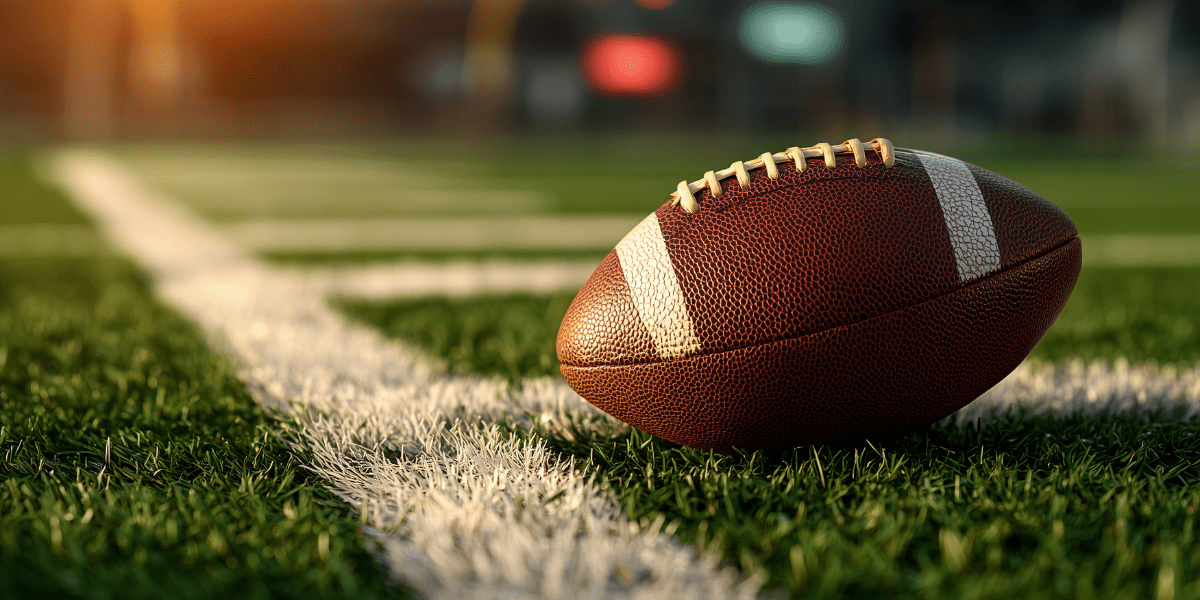
Minneapolis has been selected to host the 2028 NFL Draft, a decision expected to deliver a significant economic boost to the region and place the city at the center of one of the most watched events in American sports. The announcement marks another milestone for the city’s growing role as a host for large-scale national events and reflects the expanding economic value of sports tourism across the United States.
The NFL’s annual draft has grown far beyond its original role as a player selection event. It is now a multi-day public gathering that includes fan festivals, concerts, youth activities, media coverage, and tourism programs. For host cities, the draft has become an opportunity to attract visitors from around the country while showcasing local businesses, cultural attractions, and downtown development. In recent years, the event has drawn hundreds of thousands of attendees and generated substantial local spending.
The selection of Minneapolis reflects the city’s track record in organizing major sporting events. U.S. Bank Stadium, home of the Minnesota Vikings, has previously hosted the Super Bowl LII and other national events, demonstrating the infrastructure required to support large crowds and complex logistics. League officials noted that venue capacity, transportation access, and the city’s experience with major events all played a role in the successful bid.
The economic implications are substantial. Large sports events have become important drivers of local economies, particularly in hospitality, transportation, and retail sectors. Hotels often reach near-capacity during major league events, while restaurants, bars, and small businesses benefit from increased foot traffic. The draft’s multi-day format means spending is spread over several days, creating broader commercial opportunities than many single-day sporting events.
Local leaders have described the selection as a chance to strengthen the region’s profile as a destination for tourism and live events. In many cities, hosting nationally televised events contributes to longer-term gains beyond the immediate visitor spending. Increased exposure can support future bids for conventions, concerts, and additional sports competitions. For Minneapolis, the event offers an opportunity to present itself to a national audience while continuing downtown revitalization efforts.
The NFL Draft has also become more accessible to the public than many major sporting events. Unlike championship games, which often involve expensive tickets and limited access, draft activities usually include free outdoor events and fan zones. This creates broader participation from local residents and families, making the event not just a sports gathering but also a citywide celebration. Community engagement has become a major part of how host cities maximize both tourism and local enthusiasm.
The decision highlights a broader shift in how professional leagues choose host cities. Rather than concentrating marquee events only in traditional entertainment hubs such as New York City or Los Angeles, leagues are increasingly selecting cities that offer strong infrastructure and proven event management. Midwestern markets have become more competitive by investing in stadium districts, public transit, and visitor-centered planning. Minneapolis is among the cities benefiting from that strategy.
Sports tourism itself has become one of the fastest-growing segments of the U.S. travel industry. Families increasingly plan trips around sporting events, and leagues have expanded fan-centered programming to make those events attractive even for non-ticket holders. The NFL Draft’s popularity is a strong example of that trend, combining entertainment, travel, and community activities in a way that benefits both visitors and local businesses.
The announcement also reflects the continued commercial strength of the NFL. Even outside the regular season, league events draw major audiences and national attention. The draft has become a year-round branding event, extending fan engagement beyond games and helping host cities gain visibility on a national scale. For local businesses, the event creates opportunities not only through direct sales but also through long-term marketing exposure to new visitors.
For Minneapolis, hosting the 2028 NFL Draft represents more than a sports event. It signals continued investment in the city’s ability to compete for major national attractions and reinforces the role of sports as a catalyst for economic development. As preparations move forward, organizers are expected to develop public programs that highlight the city’s neighborhoods, cultural institutions, and hospitality sector, creating lasting benefits beyond the event itself.

NY Review Contributor
Covers sport and entertainment in New York, from the arenas to the stages.
This article features partner, contributor, or branded content from a third party. Members of the NY Review editorial staff were not involved in the creation of this content. All views and opinions are those of the contributor alone.
You May Also Like
Maia Brown-Jackson Writes The Unflinching Truth
Excellent and Invisible: Kimberly Hogate On AI Visibility

Orlando Castro Turns His Prostate Cancer Recovery Story Into Hope And Support For Others
Why Families Keep Coming Back To Animal Hospital Of Sullivan County
2026 MacArthur Fellows Put American Creativity And Discovery In The National Spotlight