
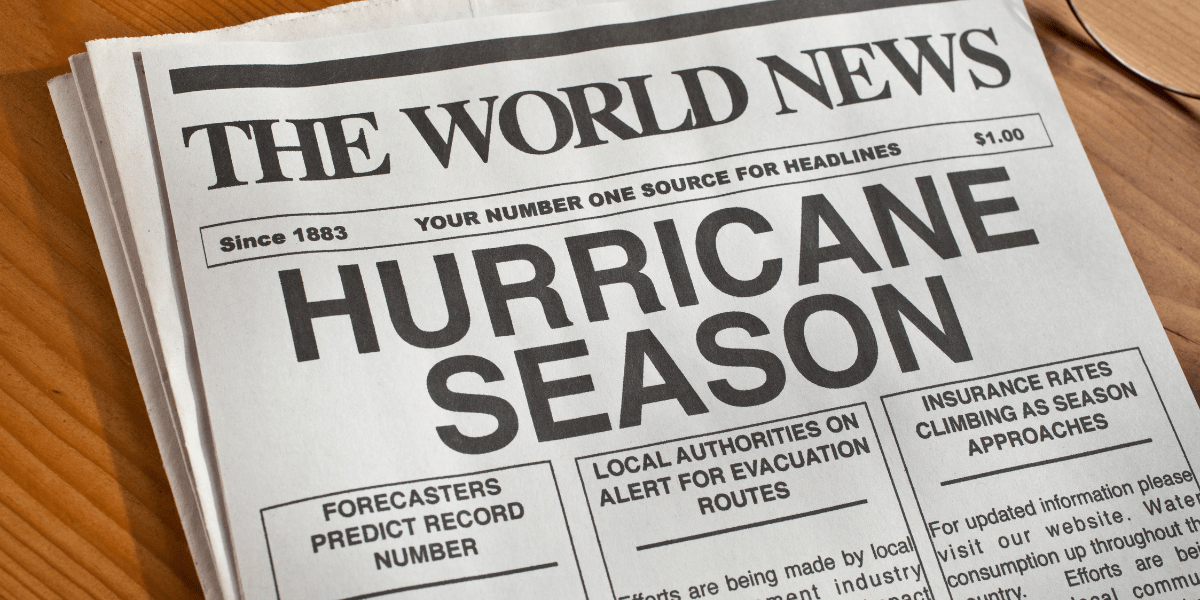
The Atlantic hurricane season marks a recurring period each year in which tropical storm activity increases across the Atlantic basin, significantly affecting weather patterns in the United States. Running from early June through late November, the season brings heightened attention from meteorologists, emergency planners, and coastal communities. While storms vary widely in strength and timing, the start of the season signals a coordinated national focus on preparedness, forecasting, and public safety planning. For millions living in coastal and inland flood-prone areas, this period represents a critical window for reviewing emergency procedures, strengthening infrastructure readiness, and staying informed about evolving weather risks.
National Preparedness Significance
The beginning of hurricane season is treated as a major operational milestone by federal and state agencies responsible for disaster readiness. Coastal regions along the Gulf of Mexico and the Eastern Seaboard are typically the most exposed to direct hurricane landfalls, but the impacts often extend far beyond shoreline areas. Heavy rainfall, river flooding, tornado outbreaks, and prolonged power outages can affect states well inland from where storms first make landfall.
Emergency management authorities emphasize that preparation must begin well before any storm develops. Once a hurricane forms, response options become more limited due to transportation disruptions, supply shortages, and rapidly changing conditions. As a result, households are encouraged to review evacuation routes, prepare emergency supply kits, and ensure communication plans are in place among family members.
Local governments often use this seasonal transition to test emergency alert systems, review shelter capacity, and coordinate response protocols with utilities, hospitals, and transportation agencies. These coordinated efforts aim to reduce delays in response times and improve public safety outcomes during severe weather events.
Forecasting and Weather Monitoring
Weather forecasting during hurricane season relies on a combination of satellite imagery, ocean-based sensors, aircraft reconnaissance, and advanced computer modeling. These systems allow meteorologists to detect tropical disturbances early and track their development across the Atlantic basin.
Forecast accuracy has improved significantly over recent decades, particularly in predicting storm tracks several days in advance. However, intensity forecasting remains more challenging, especially when storms undergo rapid strengthening near coastal regions. These uncertainties make continuous monitoring essential throughout the season.
Meteorological agencies also monitor ocean temperatures and atmospheric conditions that influence storm formation. Warmer sea surface temperatures and favorable wind patterns can contribute to more active hurricane seasons, while other atmospheric factors may suppress development. Despite seasonal outlooks, the exact number and strength of storms cannot be precisely predicted in advance.
Role of Emergency Management Agencies
The Federal Emergency Management Agency plays a central role in coordinating national preparedness efforts. Its seasonal campaigns encourage individuals and communities to take proactive steps, such as assembling disaster supply kits with food, water, medications, flashlights, batteries, and important documents.
State and local agencies also work closely with federal partners to identify evacuation zones and ensure that vulnerable populations, such as elderly residents, individuals with disabilities, and low-income households, have access to transportation and emergency shelter options when needed.
Public communication systems, including wireless alerts and emergency broadcast networks, are regularly reviewed and updated before peak storm activity begins. These systems are designed to provide timely warnings when tropical systems pose a direct threat to life or property.
Community and Infrastructure Preparedness
At the community level, hurricane season preparation extends to infrastructure resilience and continuity planning. Utility providers often assess power grids for vulnerability to wind damage and flooding, while municipalities evaluate drainage systems and flood-control measures to reduce the impact of heavy rainfall.
Hospitals and emergency care facilities conduct readiness checks to ensure backup power systems and emergency staffing plans are in place. Transportation agencies also review evacuation traffic flow strategies to minimize congestion during large-scale evacuations.
In coastal cities, long-term investments in flood barriers, seawalls, and stormwater management systems have become increasingly important as storms in recent years have demonstrated the potential for extreme rainfall and coastal surge impacts. Even inland regions have begun strengthening infrastructure due to the growing risk of flash flooding from slower-moving tropical systems.
Economic and Social Impacts
The hurricane season carries significant economic implications across multiple sectors. Insurance providers adjust risk models and premiums in anticipation of potential storm damage, while businesses in vulnerable regions prepare continuity plans to minimize disruptions.
Historically, hurricanes have caused extensive damage to housing, transportation networks, agriculture, and energy infrastructure. Even storms that do not make direct landfall can disrupt supply chains, close ports, and temporarily halt commercial activity across wide geographic areas.
Beyond financial costs, the social impact of hurricane season is also significant. Communities often revisit past storm experiences, reinforcing the importance of preparedness culture. Public awareness campaigns emphasize that readiness is not about predicting specific disasters but about reducing vulnerability to a wide range of possible outcomes.
Key Takeaways for the Public
As hurricane season begins, officials consistently highlight several important preparedness principles. Early planning is critical, as last-minute preparations are often hindered by shortages and logistical challenges. Understanding local evacuation zones and emergency procedures can significantly improve safety during fast-moving storms.
Residents are also encouraged to maintain multiple sources of emergency information, including official weather alerts and local government updates. Even small preparedness actions, such as securing outdoor objects, reviewing insurance coverage, and backing up important digital records, can reduce risks during severe weather events.
While each hurricane season is unique, the consistent message from emergency authorities is that preparedness saves time, reduces damage, and protects lives. The seasonal cycle serves as a reminder that readiness is an ongoing responsibility, not a one-time effort.