Chicago Marathon 2026 Makes History As Amos Kipruto And Hawi Feysa Claim Landmark Victories
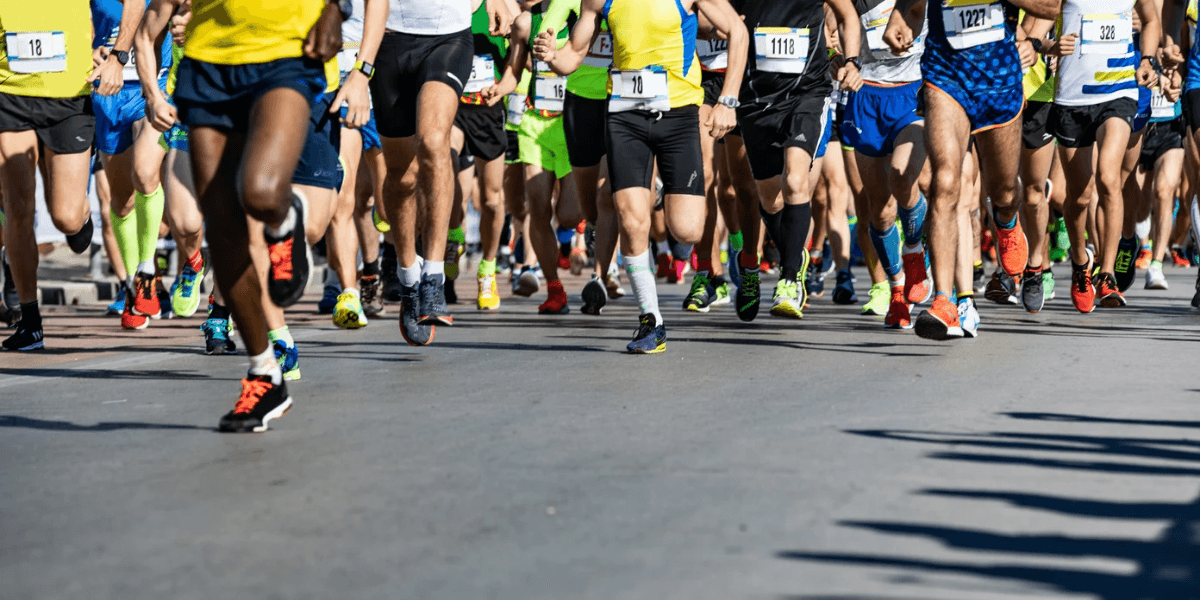
The 2026 Chicago Marathon delivered historic performances, a wheelchair world record, and remarkable victories on October 11.
Chicago, Illinois | October 11, 2026
The streets of Chicago became the setting for a remarkable chapter in distance running on Sunday, October 11, 2026, as the 48th Bank of America Chicago Marathon produced exceptional performances, historic records, and memorable victories. Kenya's Amos Kipruto captured the men's championship in 2 hours, 1 minute, and 9 seconds, while Ethiopia's Hawi Feysa successfully defended her women's title in 2:13:33. The event also featured a women's wheelchair world record and impressive performances by American runners. More than 54,000 participants traveled through 29 Chicago neighborhoods, turning the annual competition into a celebration of athletic achievement and international participation.
Amos Kipruto Delivers One Of The Fastest Marathons In History
Kipruto entered the 2026 Chicago Marathon determined to improve on his second place finish in 2025. Facing a competitive field that included defending champion Jacob Kiplimo of Uganda, the Kenyan runner maintained an aggressive pace throughout the race. The decisive moment came during the second half, when Kipruto separated himself from Kiplimo and established a commanding lead.
His finishing time of 2:01:09 represented a personal best and the second fastest marathon performance ever recorded on American soil. Ethiopia's Tadese Bikila finished second in 2:02:56, followed by compatriot Milkesa Mengesha in 2:03:46. Kiplimo, who had been among the leaders earlier in the competition, finished fourth in 2:04:18. Kipruto's performance strengthened his standing among the fastest marathon runners in history.
Hawi Feysa Defends Chicago Marathon Title With Historic Performance
The women's competition delivered an equally compelling contest as Ethiopia's Hawi Feysa faced a strong challenge from Kenya's Sharon Lokedi. The two athletes separated themselves from the leading group around the 30 kilometer mark, creating a close battle that continued into the final stages.
Feysa ultimately accelerated during the final mile, crossing the finish line in 2:13:33 and securing her second consecutive Chicago Marathon victory. Lokedi finished just 34 seconds behind in 2:14:07, while Kenya's Brigid Kosgei placed third in 2:14:55.
Their performances marked an extraordinary milestone. For the first time in marathon history, three women completed the same race in less than 2 hours and 15 minutes. Feysa also improved her personal best by 84 seconds, becoming the fourth fastest woman in marathon history at the time.
Wheelchair Racing Produces A New World Record
Beyond the traditional elite races, the Chicago Marathon witnessed another historic achievement in wheelchair competition.
Switzerland's Catherine Debrunner won the women's wheelchair race in 1:33:16, establishing a new world record and improving her previous mark by approximately one minute. Her performance highlighted the extraordinary speed and competitive standards of elite wheelchair racing.
In the men's wheelchair division, fellow Swiss athlete Marcel Hug claimed his seventh Chicago Marathon victory. Hug completed the course in 1:21:34, setting a new course record.
Together, these performances demonstrated why wheelchair racing remains an essential part of the Chicago Marathon's international sporting identity.
American Runners Deliver Notable Results
American athletes also achieved significant milestones during the October 11 competition. Clayton Young finished seventh in the men's elite race with a time of 2:05:23, becoming the second fastest American man in history on a record eligible marathon course, according to race organizers.
Meanwhile, Emma Grace Hurley delivered an impressive marathon debut, finishing seventh in the women's competition in 2:20:47. Her performance established an American marathon debut record.
These achievements provided encouraging results for American distance running, particularly as domestic athletes continue to compete against some of the world's strongest marathon fields.
Why The 2026 Chicago Marathon Matters
The significance of the 2026 Chicago Marathon extends beyond its winning times. The event demonstrated how major American cities can host international competitions that bring together professional athletes, recreational runners, volunteers, and spectators.
Participants represented all 50 states and approximately 130 countries. The marathon's 26.2 mile route showcased neighborhoods throughout Chicago, giving residents and visitors an opportunity to experience the city through a major sporting event.
The competition also reinforced Chicago's reputation as one of the world's leading marathon destinations. Its relatively flat course has long attracted runners pursuing personal bests and record performances. This year's results added further evidence of the event's importance to international distance running.
What Readers Should Take Away From This Historic Race
The October 11 marathon produced several defining achievements: Kipruto's exceptional men's victory, Feysa's successful title defense, three women finishing below 2:15, and Debrunner's wheelchair world record. Strong American performances added another important dimension to the event.
For running enthusiasts, these results offer a useful snapshot of the competitive standards shaping international marathon racing. For casual sports fans, they demonstrate how preparation, endurance, and decisive moments can turn a major competition into a historic occasion.
The 2026 Chicago Marathon will be remembered not simply for its champions, but for the exceptional depth of achievement across multiple racing divisions.

NY Review Contributor
Covers sport and entertainment in New York, from the arenas to the stages.
This article features partner, contributor, or branded content from a third party. Members of the NY Review editorial staff were not involved in the creation of this content. All views and opinions are those of the contributor alone.
You May Also Like

Why Successful Global Brands Build FDA Compliance Into Their Growth Strategy

The Legacy of Tim Bergling Is To Be Who We Are, Not What We Do

Philipp Ruebenhaus on Rethinking Career Growth and Personal Branding

Why The Blank Space is the Best of New York's Immersive Social Clubs
Chuck Beckett Builds the PJ Steele Thrillers Around a Hero Torn Between Two Instincts