Leap Year Events: Uniting America Through the Power of Music
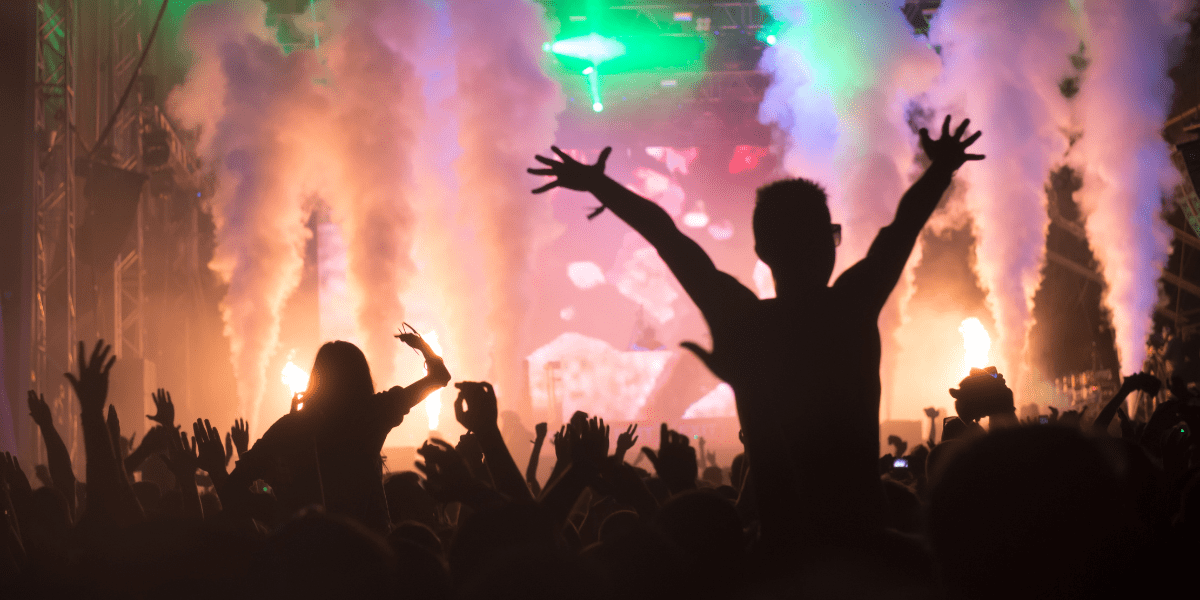
On February 29, 2024, a truly unique and historic event took place at the iconic Hollywood Bowl in Los Angeles: the first-ever “Leap Year Music Festival.” As February 29 is a rare occurrence that only happens once every four years, the festival aimed to celebrate this special day by bringing together a diverse array of musical talents to create a one-of-a-kind concert experience. The festival, organized by the American Arts Foundation, offered a full day of performances across genres, including pop, classical, jazz, and hip-hop, showcasing the unifying power of music to bridge cultural and generational divides.
The festival’s lineup included some of the biggest names in music, with performances by pop sensation Beyoncé, Grammy-winning pianist and singer John Legend, and renowned hip-hop artist Kendrick Lamar. Each of these artists brought their own unique energy and style to the stage, while also tying their performances to the theme of the leap year. The idea of time, change, and new beginnings was a common thread throughout the event, with each artist weaving these themes into their music and storytelling. Beyoncé, known for her powerful performances and connection to social causes, used her set to address themes of empowerment and resilience. John Legend’s performance, meanwhile, was infused with his signature blend of soul and hope, while Kendrick Lamar brought his socially conscious lyrics to the stage, reflecting on the world’s evolving challenges.
One of the most poignant moments of the evening came during the closing performance, when all the artists—along with a host of guest performers—joined together to sing the timeless classic, “What a Wonderful World.” The song, with its message of hope, love, and unity, resonated deeply with the audience, encapsulating the spirit of the event. In a world that is often divided by politics, social issues, and personal differences, the festival provided a rare opportunity for people to come together, celebrating both the beauty of the world and the shared human experience.
The festival, which ran for more than 12 hours, was broadcast live across the country and streamed globally, drawing millions of viewers both in person and online. With its wide-reaching impact, the event achieved both artistic success and commercial appeal, proving that music can transcend boundaries and unite people from all walks of life. From the electric energy of Beyoncé’s performance to the emotional depth of John Legend’s ballads, the festival was a celebration of creativity and collaboration.
Behind the scenes, organizing such a large-scale event posed significant logistical challenges. The diversity of artists and their unique technical requirements made scheduling and coordination complex. Each artist had their own set of needs in terms of sound, lighting, and stage setup, and managing these elements for such a broad range of performances required precise planning. The production team worked tirelessly to ensure that transitions between sets were smooth and that each artist’s vision was fully realized. Despite the scale of the event and the inherent challenges of juggling multiple high-profile performances, the festival went off without a hitch, garnering praise for its seamless execution and attention to detail.
The American Arts Foundation’s decision to center the festival around Leap Year as a metaphor for new beginnings proved to be a powerful one. February 29, though an anomaly in the calendar, became a symbol for possibilities—an opportunity to pause and reflect, embrace change, and celebrate the progress we make together. The festival was more than just a music event; it was a reminder that special moments can be used as catalysts for unity and collective growth.
The lasting impact of the Leap Year Music Festival can be seen in the way it inspired other organizations and individuals to think differently about how to commemorate milestones and rare occasions. Rather than simply marking the passage of time, the event offered a platform for introspection, creativity, and cross-cultural collaboration. As it continues to be remembered in the months and years to come, the Leap Year Music Festival will undoubtedly become a model for future celebrations, showing that music has the unique ability to bring people together in ways that few other mediums can.
In the end, the festival proved that no matter how rare a moment may be, the power of music can transform it into something universally significant, leaving a lasting legacy of hope, unity, and inspiration.

NY Review Contributor
Covers New York and national affairs, from City Hall to the neighbourhoods the decisions land in.
This article features partner, contributor, or branded content from a third party. Members of the NY Review editorial staff were not involved in the creation of this content. All views and opinions are those of the contributor alone.
You May Also Like
Maia Brown-Jackson Writes The Unflinching Truth
Excellent and Invisible: Kimberly Hogate On AI Visibility

Orlando Castro Turns His Prostate Cancer Recovery Story Into Hope And Support For Others

Why Families Keep Coming Back To Animal Hospital Of Sullivan County
2026 MacArthur Fellows Put American Creativity And Discovery In The National Spotlight