Linda McMahon Faces Senate Scrutiny Over $13B Education Funding Delays
By Hannah Russo, Senior Correspondent
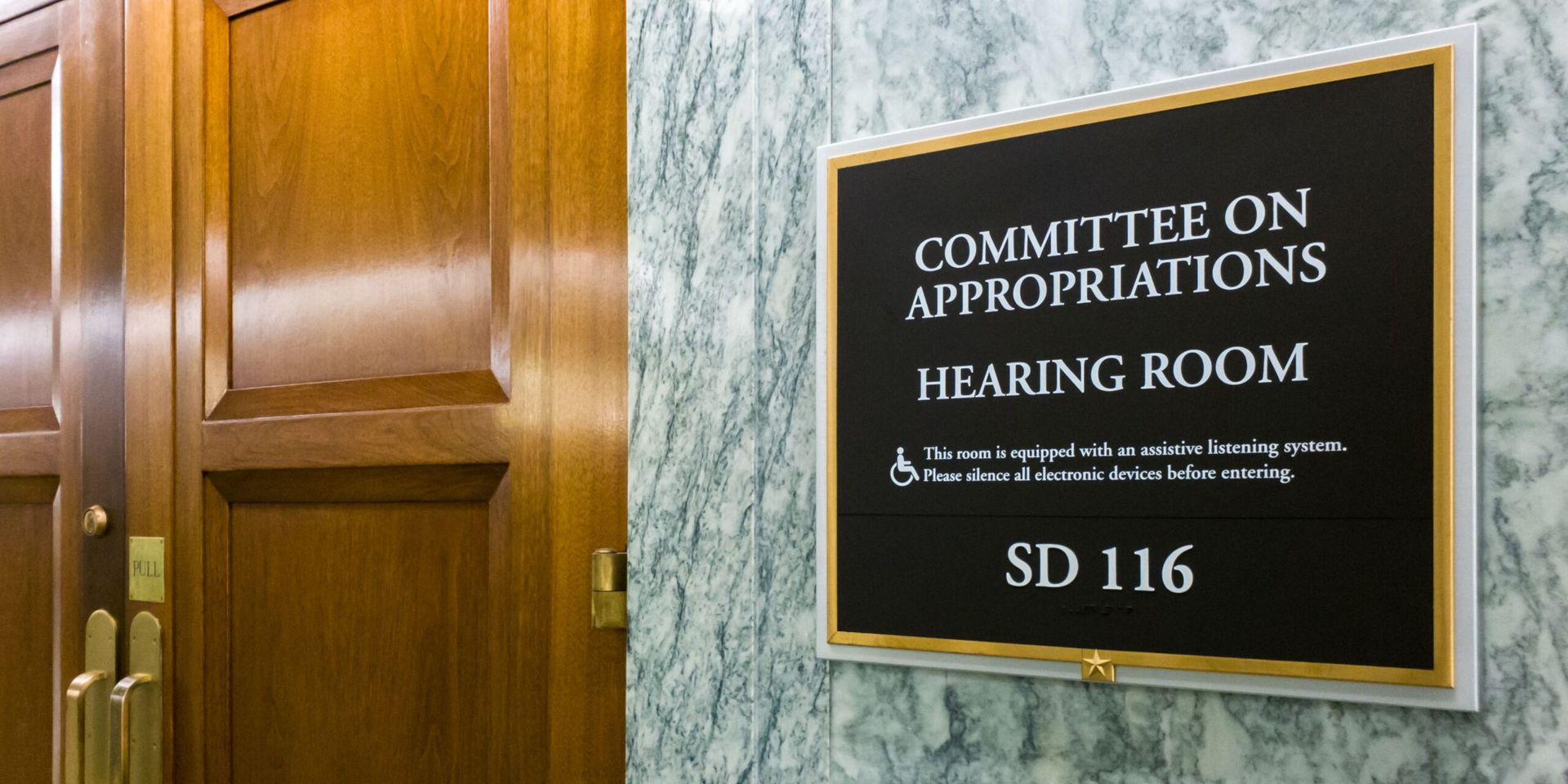
U.S. Education Secretary Linda McMahon faced intense questioning from the Senate Appropriations Committee today over the Trump administration’s delay in disbursing $13 billion in congressionally approved education funds. Senator Tammy Baldwin led the charge, expressing deep concern over the administration’s plan to redistribute these funds through competitive grants, raising issues of transparency and potential legal violations.
A Heated Exchange Over Funding Delays
During the hearing, Senator Baldwin confronted Secretary McMahon about the unallocated funds, stating that Congress had already approved the money, and any further delay would shortchange students and families nationwide. She accused the administration of withholding funds with the intent to reallocate them in a manner inconsistent with legislative intent.
Secretary McMahon responded by emphasizing that the administration does not plan to eliminate the funding but intends to allow states to compete for it through a new grant process. She argued that this approach would reduce federal bureaucracy, save taxpayer money, and empower state and local education systems to tailor solutions to their unique needs.
Broader Implications for Education Policy
The hearing shed light on broader ideological divisions concerning federal education policy. The Trump administration has moved toward decentralizing education oversight, including proposals to dismantle the Department of Education entirely. Secretary McMahon has been tasked with executing this agenda, which includes transferring authority and responsibilities to individual states and local communities.
Critics of this approach warn that such moves could jeopardize key federal programs that support vulnerable student populations. Programs such as Head Start and the Rural Education Achievement Program (REAP) may face cutbacks or elimination, affecting millions of children in low-income and rural communities. Lawmakers opposing the administration’s plan fear that devolving control without adequate safeguards could widen educational disparities.
Legal and Ethical Concerns
The $13 billion funding delay has raised serious legal questions. Lawmakers argue that the executive branch has a constitutional obligation to execute laws passed by Congress. By not allocating the funds as directed, the administration may be in violation of federal law.
There is also concern that transforming the funds into a competitive grant system might exclude districts lacking the administrative capacity to apply, disadvantaging the very communities that need the support the most. Transparency and fairness in grant criteria were also central points of contention during the hearing.
Senator Baldwin questioned whether the Education Department had any legal basis for not releasing the funds as appropriated, suggesting that the delay could set a troubling precedent for executive overreach.
Impact on Schools and Students
Educators and school administrators across the country are already feeling the impact of the funding uncertainty. Many have delayed critical planning for the upcoming academic year due to the lack of clarity on budget allocations. Programs intended to support student mental health, early childhood education, and teacher development remain in limbo.
One of the more controversial cuts proposed by the administration involves nearly $1 billion designated for school mental health programs. These funds were intended to help schools hire more counselors, psychologists, and social workers to address growing mental health challenges among students.
Administrators in rural and urban districts alike warn that any interruption in funding could be devastating, particularly in underserved communities already grappling with staffing shortages and limited resources. The fear is that shifting to a competitive model will create winners and losers among school districts, rather than ensuring equitable support across the board.
The Path Forward
In response to the hearing, several senators have called for immediate action to release the $13 billion in education funds. They argue that further delay undermines public trust and impairs the ability of schools to serve their students effectively.
The debate over this funding delay serves as a microcosm of the larger struggle over education policy in the United States. It pits advocates of centralized oversight and equity against proponents of local control and deregulation. The resolution of this conflict will likely have long-term implications for how education is administered and funded in America.

NY Review Contributor
Covers New York and national affairs, from City Hall to the neighbourhoods the decisions land in.
This article features partner, contributor, or branded content from a third party. Members of the NY Review editorial staff were not involved in the creation of this content. All views and opinions are those of the contributor alone.
You May Also Like

Maia Brown-Jackson Writes The Unflinching Truth

Excellent and Invisible: Kimberly Hogate On AI Visibility

Orlando Castro Turns His Prostate Cancer Recovery Story Into Hope And Support For Others

Why Families Keep Coming Back To Animal Hospital Of Sullivan County

2026 MacArthur Fellows Put American Creativity And Discovery In The National Spotlight